A massive new brain-imaging study is forcing a hard reset on one of medicine’s biggest assumptions: hormone therapy may ease symptoms, but it doesn’t stop menopause-linked brain tissue loss.
Quick Take
- University of Cambridge researchers analyzed nearly 125,000 women in the UK Biobank, including about 11,000 with MRI scans.
- Post-menopause women showed lower grey matter volume in brain regions tied to memory and emotion, including areas often affected in Alzheimer’s disease.
- Both HRT users and non-users showed grey matter reductions, meaning HRT did not prevent the structural change observed.
- Post-menopause women reported more anxiety, depression, and sleep disturbance, reinforcing the need for serious mental-health screening in midlife care.
What the Cambridge team found in UK Biobank brain scans
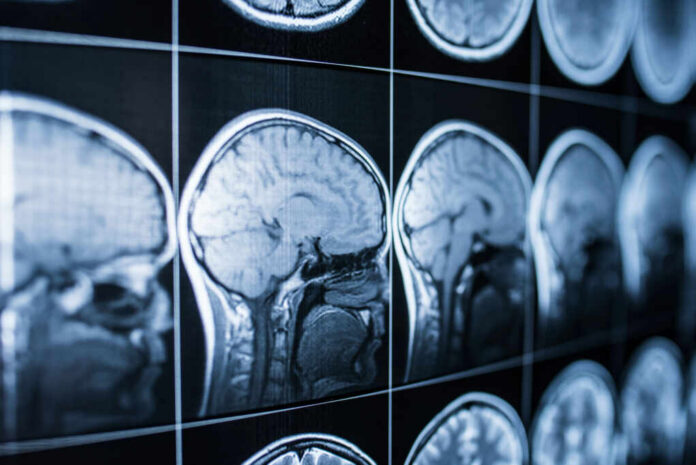
Researchers at the University of Cambridge, working with the UK Biobank dataset, compared women who were pre-menopause with women who were post-menopause, including those using hormone replacement therapy. The team drew on nearly 125,000 participants and a subset of roughly 11,000 MRI scans to measure brain structure. The core finding was a statistically meaningful reduction in grey matter volume after menopause in specific regions, not a vague “brain fog” anecdote.
The most affected regions included the hippocampus, entorhinal cortex, and anterior cingulate cortex—areas tied to memory formation, information processing, and emotional regulation. That matters because those regions are also commonly discussed in Alzheimer’s research, even though this study does not claim menopause causes Alzheimer’s or that HRT changes Alzheimer’s risk. The work instead maps a biological change that could help explain why many women feel cognitive and emotional disruption.
HRT helped in some measures, but didn’t prevent grey matter loss
The study’s most policy-relevant takeaway is its clarity about tradeoffs. Women using HRT still showed grey matter reductions similar to women not using HRT, indicating HRT did not prevent the structural brain changes the researchers observed. At the same time, reported cognitive performance was not uniformly worse across the board: memory performance appeared stable across groups, while reaction time slowed in post-menopause women who were not using HRT.
This is where careful reading matters. The findings do not “cancel” HRT, and they also don’t justify selling HRT as a blanket brain-protection guarantee. Women’s health groups reviewing the report stressed that the clinical significance of the measured grey matter differences remains uncertain and needs more study. That caution is reasonable: imaging findings can be real and measurable while still requiring years of follow-up to connect them to long-term outcomes.
Mental health and sleep disruptions show up alongside brain changes
Alongside MRI measures, the research documented higher rates of anxiety, depression, and sleep disturbance in post-menopause women. That combination—structural brain differences plus real-world symptoms—should push clinicians to treat menopause as more than a punchline or a “just deal with it” phase. Families also benefit from clarity here: mood changes and sleep disruption can affect marriages, caregiving, and workplace performance in ways that deserve practical support, not stigma.
Why this matters now: women’s health beyond slogans and bureaucracy
In recent years, public health debates too often got swallowed by bureaucracy and ideological messaging rather than patient-centered basics. This study cuts through that noise by highlighting a plain reality: a normal biological transition can come with measurable neurological and mental-health effects, and a one-size-fits-all pharmaceutical answer may not exist. That reality argues for transparent risk-benefit conversations, individualized care, and better screening—not another round of top-down mandates or trendy narratives.
What experts say is still unknown—and what patients can do today
Even with a huge sample size, the research leaves key questions open. The sources note uncertainty about how these brain-volume differences translate into long-term clinical outcomes, including dementia risk, and they emphasize that the study does not claim HRT alters Alzheimer’s disease risk. For patients right now, the practical takeaway is straightforward: discuss symptoms early, take mental health seriously, and treat sleep disruption as a medical issue, not a character flaw.
Menopause linked to grey matter loss in key brain regions https://t.co/cdG3f9ONXq
— Un1v3rs0 Z3r0 (@Un1v3rs0Z3r0) February 7, 2026
For a conservative audience that’s watched institutions lose credibility by overpromising and underdelivering, this is a reminder of what honest science looks like: measured claims, large datasets, and clear limits. The study’s message is not panic—it’s precision. Menopause is common, the brain changes measured here are specific, and support should be practical, family-aware, and grounded in evidence rather than ideology.
Sources:
Menopause linked to grey matter loss in key brain regions
Menopause linked to loss of grey matter in the brain, poorer mental health and sleep disturbance
Menopause linked to loss of grey matter in the brain, poorer mental health and sleep disturbance
Menopause linked to loss of grey matter in the brain, poorer mental health and sleep disturbance
Menopause linked to loss of grey matter in the brain, poorer mental health and sleep disturbance
Menopause and brain health: what the research really tells us
Menopause Linked to Mental Health Outcomes, Changes in Gray Matter Volume