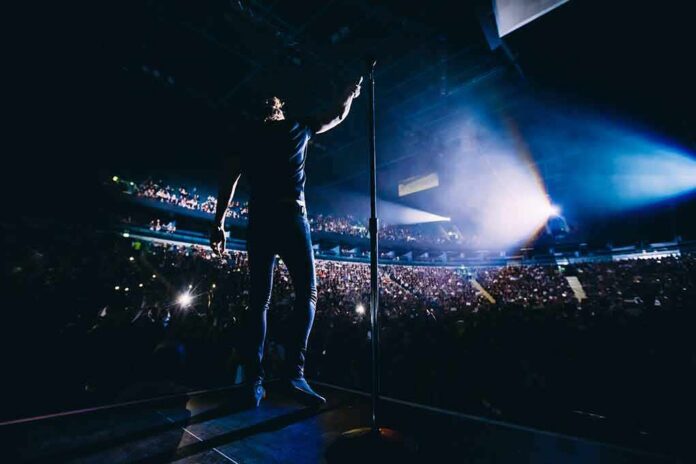
Ed Sheeran broke his silence on Gaza after a week of venue pressure, artist walkouts, and fan fury that showed who really calls the shots in big-money tours.
Story Snapshot
- Sheeran called the Gaza war “catastrophic,” “unjustifiable,” and “disproportionate,” while condemning the Oct. 7 Hamas attack as “horrific.”
- Sheeran said removing Macklemore from his U.S. tour was the promoter’s call, not his; openers and his band then quit.
- The tour promoter said multiple stadiums would not allow shows with Macklemore on the bill.
- The clash spotlights how venue owners and promoters can shape speech and lineups far beyond one artist’s wishes.
What Triggered Sheeran’s Public Gaza Remarks
Reuters and the British Broadcasting Corporation reported that Ed Sheeran spoke on Gaza after days of backlash over Macklemore’s removal from his stadium tour. Sheeran called the war “catastrophic,” “unjustifiable,” and “disproportionate,” and labeled the October 7 Hamas attack “horrific.” He had avoided detailed public comments before the controversy peaked. His timing followed headline exits by support acts and mounting pressure around upcoming shows. These facts drew attention to who held leverage behind the scenes.
Macklemore had told crowds “free Palestine” and performed a protest song, which sparked pushback from venues and advocacy groups. Soon after, the rapper was dropped from the lineup, and solidarity actions followed. Sheeran then addressed Gaza in person for the first time. The sequence suggested a reactive posture instead of a planned speech. While artists often try to stay above politics, stadium tours live or die by venue approvals and crowd confidence. That reality shaped every decision.
Who Made The Call And Why It Mattered
Sheeran said the promoter made the decision to remove Macklemore, not him, and that Macklemore’s contract was with the promoter. The promoter, Messina Touring Group, said venues told them shows would not proceed if Macklemore stayed on the bill. That meant keeping him risked cancellations that would hit hundreds of thousands of ticket holders. After Sheeran’s explanation, remaining openers and his band walked away in protest, deepening the fallout and forcing Sheeran to reset his message to fans.
Fans split fast. Some said speech about Gaza should not cost an artist work. Others said venues must weigh safety, antisemitism concerns, and community standards. Sheeran tried to sit in the middle. He said he was appalled by the violence, not complicit, and had tried to build bridges by talking with people on both sides. But the market realities were hard to ignore. Stadium owners and tour promoters had the direct power to greenlight or stop shows. Their risk tolerance set the practical limit on speech.
Why The Episode Resonates Beyond One Tour
The Sheeran-Macklemore clash fits a wider pattern in entertainment. Politically charged statements spark sponsor worries, petition drives, and venue pushback. Then artists and crews face hard choices about staying or leaving. The most decisive pressure often comes from the triangle of promoters, venue owners, and brands, not just fans. That structure can squeeze speech in subtle ways. Artists end up apologizing, clarifying, or going silent so the show can go on. The incentives are built in.
Ed Sheeran Tears Up on Stage at First Concert Since Macklemore Row; Fans Rally Behind Him
New York, Sept 20: British singer Ed Sheeran became emotional on stage at his first US concert since the controversy over rapper Macklemore's removal from his tour. Fans in Philadelphia said… pic.twitter.com/iH8O83EwlC— Voice of Germany (@NewsVOG) September 20, 2026
Sheeran’s Gaza remarks show how public words can become business risks overnight. He condemned the Hamas attack while saying Israel’s campaign in Gaza was unjustifiable. That split stance aimed at fairness, but still drew heat. The bigger lesson is sobering. When big money, national politics, and public safety concerns collide, individual voices bend to infrastructure power. Many Americans see the same script in Washington: decisions shaped by gatekeepers, not by open debate or the public interest.
What We Still Do Not Know
Public reports do not include signed venue notices, call logs, or emails that prove exactly who first moved to drop Macklemore. Messina Touring Group cited multiple venues refusing shows. Macklemore said Sheeran’s camp made the choice. Both claims reflect intense pressure, but the record lacks primary documents that would settle blame. What is clear is the effect. The lineup cracked, the band left, and Sheeran spoke out at last. Power behind the curtain set the terms for everyone on stage.
Sources:
redstate.com, reuters.com, theguardian.com, bbc.com, cbc.ca, billboard.com