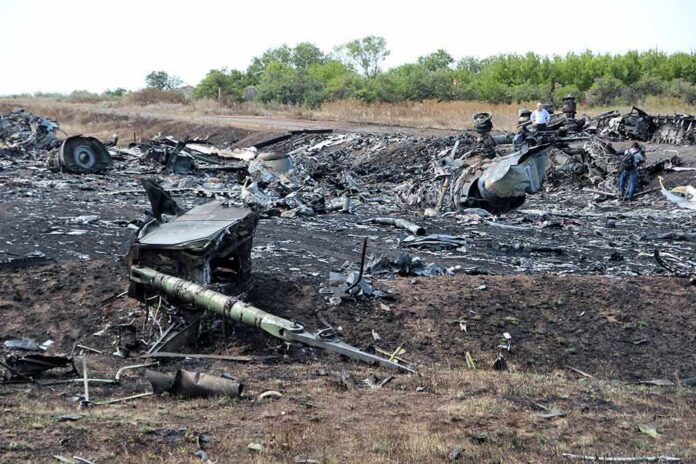
Federal investigators say the Amazon-branded cargo jet that killed five people in Miami landed, overran the runway, and struck vehicles beyond the airport fence — and they now have both “black boxes” to piece together why.
Story Snapshot
- NTSB recovered the flight data and cockpit voice recorders for analysis.
- FAA confirmed the Boeing 767-300 operated by 21 Air overran a Miami runway.
- Five people were killed and five injured when the jet hit vehicles off the runway.
- Investigators will examine crew training, procedures, weather, and aircraft systems.
What Happened During the Miami Runway Overrun
Federal Aviation Administration officials said 21 Air Flight 7598, a Boeing 767-300 cargo plane operating for Amazon’s network, overran a runway at Miami International Airport after landing on Sunday afternoon. The aircraft had departed San Juan, Puerto Rico, earlier that day. The jet left the pavement by about 1,300 feet, crashed through the perimeter, and struck vehicles beyond the airport. The crash and fire killed five people and injured five others, according to multiple outlets citing officials.
Reuters reported the aircraft hit two vehicles on the ground, including an airport van and a sport-utility vehicle outside the fence. National Transportation Safety Board Chair Jennifer Homendy said the agency sent a go-team to document perishable evidence and would remain on scene for days. She cautioned that the probable cause would not be determined until the investigation is complete, which follows standard practice in major accidents.
What Investigators Are Focusing On First
The National Transportation Safety Board said it will review crew training, company procedures, air traffic control communications, aircraft components, and weather at the time of landing. That early roadmap reflects how runway overruns are usually assessed, with attention on touchdown point, speed, braking, and runway-end protections. The agency recovered the flight data recorder and cockpit voice recorder and transported them to Washington for analysis, which should clarify speed, stopping actions, and crew decisions.
Investigators also plan to examine the operator’s policies and human performance factors, including flight crew experience. Reports note the cargo business model can split responsibility between a brand and a contracted airline, which can shape how the parties respond after an event. In this case, 21 Air operated the Boeing 767 for Amazon’s air network under its own certificate. Any analysis of responsibility will rely on facts from records and the recovered data.
Why This Matters Beyond One Crash
Runway overruns are a known risk in commercial aviation, often arising from several factors instead of a single failure. Detailed data are needed to judge the roles of weather, runway condition, touchdown point, and braking performance. Early media details can lock in before the technical record is complete, which is why the National Transportation Safety Board asks for patience while it gathers evidence. For now, officials agree on what is known and what is not yet established.
Amazon is expected to be shielded from liability for the cargo plane crash in Miami because it doesn't own the plane or employ its pilots — a contractor does. https://t.co/SkkkhHJTsb
— Bloomberg (@business) September 9, 2026
The human toll underscores stakes that cut across politics and brands. Five lives ended when the jet left the runway and hit civilian vehicles beyond airport property. People on both the right and the left share a basic demand here: find out what went wrong, fix it, and hold the right actors to account. That requires clear facts, transparent records, and steady follow-through by investigators, regulators, airport operators, and companies tied to the flight.
Sources:
facebook.com, abcnews.com, bbc.com