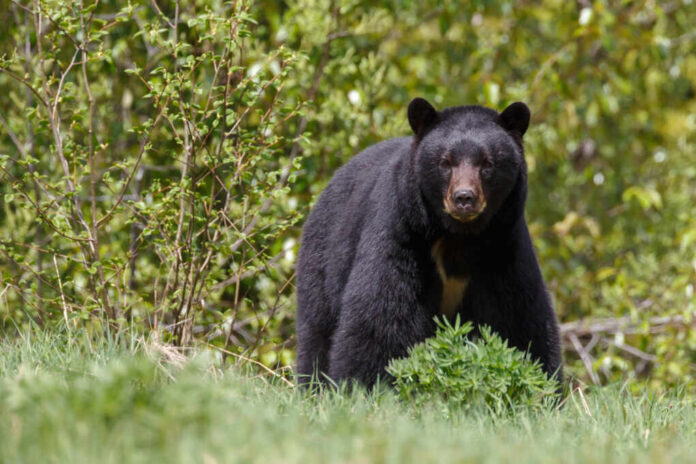
Florida’s first black bear hunt in a decade faces fierce legal opposition, spotlighting a clash over science, due process, and state authority in wildlife management.
Story Snapshot
- Bear Warriors United sued to stop Florida’s first bear hunt since 2015, citing lack of scientific justification and due process.
- Florida Fish and Wildlife Conservation Commission (FWC) unanimously approved regulated bear hunting, shifting decision-making to an executive director.
- The lawsuit challenges both the scientific basis and transparency of the new hunting rules.
- The outcome could set legal precedent for wildlife management and public participation in state policy.
Legal Challenge Threatens Florida’s Black Bear Hunt
On August 16, 2025, Bear Warriors United, a Central Florida conservation nonprofit, filed a lawsuit against the Florida Fish and Wildlife Conservation Commission (FWC) just days after the agency’s unanimous vote to reinstate regulated black bear hunting for the first time in a decade. The lawsuit alleges that the new hunting rules lack credible scientific backing, fail to meet due process standards, and improperly transfer decision-making power from a public commission to an executive director, reducing transparency in state policy. This legal action aims to halt the hunting season scheduled for December 6, 2025, unless a court intervenes.
Florida’s decision to bring back black bear hunting follows years of rising human-bear conflicts and ongoing suburban expansion into bear habitats. The state’s last bear hunt in 2015, held after the black bear was removed from the threatened species list in 2012, ended early due to high numbers of kills and intense public backlash. Conservationists argue for non-lethal coexistence strategies, while hunters and wildlife managers claim that regulated hunting is necessary for population control and public safety. The controversy reflects a broader debate about how states balance wildlife management with ethical and procedural safeguards.
Conservationists have filed a lawsuit to halt Florida's first black bear hunt in a decade, arguing that the hunt scheduled for December is unconstitutional and contradicts the state's own policy protecting native species.
— LEX 18 News (@LEX18News) September 19, 2025
Stakeholders and Motivations in the Bear Hunt Battle
The FWC wields regulatory authority over wildlife management, but must now defend its position against a legal challenge. Bear Warriors United, represented by attorney Raquel Levy, is motivated by animal welfare and conservation ethics, seeking to halt the hunt and promote non-lethal management. On the other side, organizations like Backcountry Hunters & Anglers, represented by ecologist Mark Barton, support the hunt, arguing that the bear population can sustain hunting and that permit fees can fund conservation efforts. Local communities remain divided, with some residents supporting hunting for safety and property protection, and others opposing it on ethical grounds.
Power dynamics in this dispute are shaped by the FWC’s authority to set policy, the executive director’s new role in implementation, and the courts’ ability to adjudicate the lawsuit. Conservation groups leverage legal action and public opinion, while hunting advocates participate in public meetings and advocacy efforts. The shift of decision-making from a public commission to an executive director has raised additional concerns about transparency and due process, with critics arguing this undermines public oversight and accountability in state wildlife policy.
Broader Implications and Future of Wildlife Management
The outcome of this lawsuit carries significant implications for wildlife management in Florida and potentially other states. In the short term, the legal uncertainty could delay or halt the scheduled hunt, intensifying public debate and further polarizing supporters and opponents. Permit fees from the hunt could generate revenue for conservation, but legal costs and possible backlash from tourism or activism are also at stake. In the long term, a court ruling could set a precedent for how much authority state agencies have in setting hunting policy, the required level of scientific justification, and the standards for public participation in decision-making. This dispute highlights the continuing tension between traditional hunting-based management and emerging conservation models that prioritize coexistence and non-lethal strategies.
Sources:
Central Florida Public Media: Central Florida nonprofit sues state over black bear hunt rules
Tampa Bay Times: Florida black bear hunt lawsuit applications FWC DeSantis