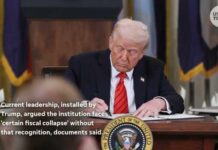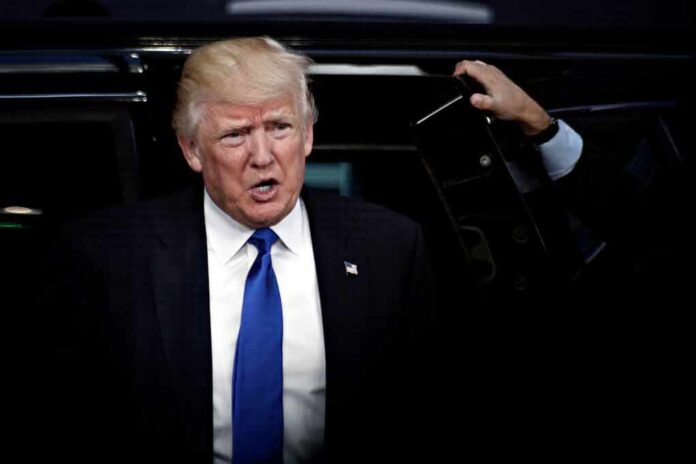
President Trump used his first correspondents’ dinner speech as a sitting president to praise reporters one moment and mock them the next, all months after a gunman tried to kill him at the same event.
Story Snapshot
- Trump spoke July 24 at the rescheduled White House Correspondents’ Association dinner, months after an assassination attempt forced organizers to cancel the original April date.
- He praised journalists for doing an “amazing job” while also telling the room not to “believe the fake news.”
- Named targets included CNN’s Caitlan Collins, Senator Adam Schiff, Governor Gavin Newsom, Governor J.B. Pritzker, Senator Elizabeth Warren, and Robert F. Kennedy Jr.
- He joked about a possible third presidential term, a line reporters flagged as notable given constitutional limits on the office.
- Reaction split sharply, with some outlets calling the speech “rambling” and others describing a lighter, more traditional tone than his April remarks.
A Dinner Delayed By Violence
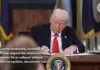
The White House Correspondents’ Association dinner was supposed to happen April 25. A gunman’s attempt to assassinate the president and other officials at the Washington Hilton forced organizers to cancel it that night. The event finally happened three months later, on July 24, marking the first time Trump attended the dinner as president.
Trump opened by calling the postponed evening a sign that “the show must go on,” framing his appearance as a nod to resilience after the attack. He then spent close to an hour mixing jokes, insults, and claims about his record, according to news accounts of the speech.
Praise And Insults In The Same Breath
Trump told the room that journalists do an “amazing job,” a rare compliment from a president who has spent a decade calling coverage of him unfair. Minutes later he warned the same crowd, “Don’t believe the fake news,” a line the Guardian noted fits his long pattern of attacking the press even while praising it.
He singled out CNN anchor Caitlan Collins during the speech, poking fun at an award she reportedly won for her coverage of him. He also took aim at Senator Adam Schiff, calling him out by name in front of the room, according to social media accounts from reporters covering the event.
Political Rivals Get Named
Governor Gavin Newsom and Governor J.B. Pritzker both drew jokes from the podium, part of a broader run of jabs at Democratic officials. Senator Elizabeth Warren also came up during the speech. Robert F. Kennedy Jr., who serves in the administration, was not spared either, with Trump reportedly joking about him and roadkill during the remarks.
Associated Press coverage described the speech as “rambling” and said Trump “made jokes about public figures’ weight and intellect” before pivoting into humor mixed with insults. Other outlets called the tone lighter than expected, especially compared to what Trump himself predicted his original April remarks would have been.
A Joke About A Third Term
Trump also quipped about serving a third presidential term, a comment reporters flagged given the twenty-second amendment limits presidents to two terms. The line drew laughs in the room but also headlines afterward, with some outlets treating it as one more example of Trump testing boundaries in a room built around press freedom traditions.
Why This Dinner Keeps Causing Friction
This is not new territory. Trump skipped the dinner entirely in 2017, becoming the first president in 36 years to do so amid feuding with reporters over coverage. The event has long doubled as both a celebration of the free press and a proxy fight over who gets to define truth in Washington, a tension this year’s speech did nothing to resolve.
For voters on both sides already skeptical of Washington insiders, the dinner itself is part of the problem. Critics have called the black-tie gathering of politicians and journalists an elitist ritual disconnected from the concerns of ordinary Americans, regardless of who is speaking or what jokes land.
President Donald Trump took aim at Senator Adam Schiff during his speech at the White House Correspondents' Dinner, calling him "Watermelon Head" and making a series of personal remarks that drew attention from the audience.
Watch the moment as Trump delivers the comments during… pic.twitter.com/INlFpi4btc
— APT News (@APT__News) July 25, 2026
What voters take away likely depends on where they already stand. Supporters may see a president willing to name names and hold reporters accountable. Critics see a repeat pattern of grievance dressed up as humor. Both reactions say more about the country’s deep distrust of institutions than about any single joke told that night.
Sources:
youtube.com, govinfo.gov, theguardian.com