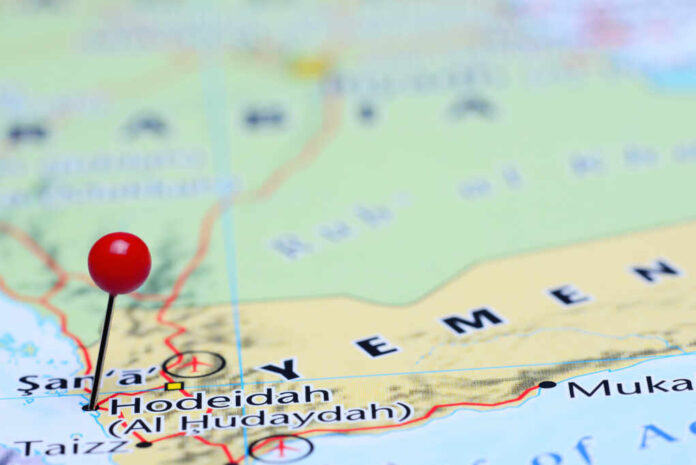
More than 60 migrants have lost their lives after a boat capsized off the coast of Yemen, highlighting the deadly risks of one of the world’s busiest and most dangerous migration routes.
Story Snapshot
- Over 60 migrants, mainly from Ethiopia and Somalia, drowned off Yemen’s coast on the Gulf of Aden route.
- The Gulf of Aden remains a perilous corridor, driven by conflict, poverty, and organized criminal smuggling networks.
- International agencies call for urgent humanitarian action as smuggling networks grow more brazen and conditions worsen in Yemen.
- Regional instability and weak law enforcement allow these tragedies to continue, putting American border security and global migration policy back in focus.
Deadly Smuggling Route Claims Dozens of Lives
The recent tragedy off Yemen’s southern coast underscores the extreme dangers faced by migrants attempting to cross the Gulf of Aden. The capsized boat was crowded with migrants from Ethiopia and Somalia, desperate to escape conflict and poverty in their home countries. This route, notorious for mass drownings and abuses by smugglers, remains active year-round despite persistent warnings from humanitarian groups. Survivors report being forced onto unseaworthy vessels by traffickers who prioritize profit over human life, and local authorities are often powerless or complicit due to ongoing conflict and the collapse of effective governance in Yemen.
🇾🇪 At least 68 African migrants died and 74 others were missing after their boat capsized Sunday in the waters off Yemen, the UN’s migration agency said 👇 pic.twitter.com/wyyLmiTuNy
— FRANCE 24 English (@France24_en) August 4, 2025
International organizations like the International Organization for Migration (IOM) and UNHCR have repeatedly urged for increased protection and humanitarian assistance for migrants along this corridor. However, access for aid groups remains limited, and thousands continue to make the crossing each year, undeterred by the rising death toll. The Gulf of Aden has become one of the world’s most dangerous migration corridors, with a unique combination of high volume, extreme risk, and entrenched criminal networks that exploit vulnerable populations for profit.
Watch: Dozens of people die in boat capsize off Yemen | BBC News
Migration Patterns Shift Amid Regional Instability
Large-scale migration across the Gulf of Aden intensified in the late 20th and early 21st centuries, fueled by ongoing conflicts in Somalia, Ethiopia, and Yemen. By 2015, the majority of migrants had shifted from the Red Sea to the Arabian Sea route, seeking slightly safer passage despite the continued risk. Smuggling networks have adapted to enforcement efforts by altering departure points and tactics, making real-time data collection and rescue efforts even more challenging. The humanitarian crisis in Yemen, now in its second decade, exacerbates conditions for new arrivals and limits the capacity for local or international intervention.
Smugglers wield significant power over migrants, often using violence and coercion to maintain control. Migrants are forced to make difficult choices under dire circumstances, and many fall victim to organized crime or armed groups operating with near impunity. Humanitarian organizations and local communities struggle to provide assistance in an environment marked by insecurity and limited resources.
Long-term Impact and Urgent Need for Action
The short-term consequences of these tragedies are devastating: high mortality rates, increased humanitarian needs, and trauma among survivors. In the long term, entrenched smuggling networks, regional destabilization, and cycles of exploitation and displacement threaten to undermine regional security and strain relations between affected countries. Smuggling operations generate illicit profits and erode local economies, while host communities face added social and economic pressure from sudden influxes of migrants.
Sources:
Wikipedia: Timeline of maritime migration and exploration
Mixed Migration Centre: “Shifting Tides: The changing nature of mixed migration crossings to Yemen”
Internal Displacement Monitoring Centre: Yemen cross-border displacement reports