President Trump’s declaration of “armed conflict” against drug cartels signals a seismic expansion of executive power.
Story Snapshot
- Trump designates drug cartels as terrorist organizations, authorizing military action under war protocols.
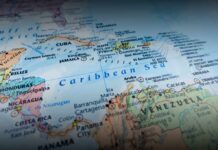
- Recent U.S. strikes in the Caribbean prompted this first-ever formal declaration of armed conflict against cartels.
- Legal experts warn the move stretches international law and threatens constitutional checks on presidential power.
- This escalation marks a pivotal shift away from traditional “America First” non-interventionism.
Trump Declares War Powers Against Drug Cartels
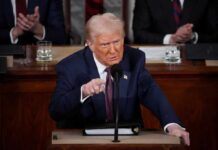
On October 2, 2025, President Donald Trump publicly declared that the United States is now in “armed conflict” with international drug cartels. This move follows recent U.S. military strikes on boats suspected of trafficking drugs in the Caribbean. Trump’s administration has formally classified these cartels as “terrorist organizations” and “unlawful combatants,” a step no previous administration has taken. The Pentagon has been directed to conduct operations under the law of armed conflict, significantly expanding the military’s role in anti-drug efforts.
This unprecedented designation means that drug cartels are now subject to military targeting, capture, and detention without trial, rather than traditional law enforcement prosecution. The Trump administration memo, obtained and reported by The Associated Press, frames this escalation as necessary for national self-defense and to protect Americans from what Trump calls “ongoing attacks” by these criminal organizations.
Watch: US in ‘armed conflict’ with drug cartels: White House
Legal and Constitutional Implications Emerge
By invoking wartime authorities, President Trump is asserting extraordinary presidential war powers. Legal experts, such as former Bush administration national security official Matthew Waxman, have expressed deep concern, calling this a “very, very far stretch of international law and a dangerous one.” The memo allows for lethal force and indefinite detention without trial for cartel members, raising constitutional questions about due process and the separation of powers between Congress and the White House. Lawmakers face pressure to determine whether such military actions require explicit legislative approval.
The declaration’s sweeping authority also raises alarms about the precedent it sets for future administrations. Some experts worry it could erode fundamental American legal protections, undermining the very constitutional values conservatives hold dear. The potential for expanded executive power, without meaningful congressional oversight, is a subject of growing debate in legal and policy circles.
Impact on U.S. Policy and Conservative Principles
This escalation stands in tension with Trump’s “America First” platform, which has previously emphasized non-intervention and limited overseas military entanglements. Many supporters may welcome decisive action against cartels, especially after years of frustration with porous borders and the spread of drugs into American communities. However, the use of military force on this scale introduces new risks, including the possibility of mission creep, unintended conflict escalation, and international backlash.
The move also tests core conservative values around limited government and constitutional restraint. While confronting the cartels resonates with those demanding law and order, expanding executive military authority without congressional input could threaten the careful balance of power designed by the Founders.
Sources:
Trump says US is in ‘armed conflict’ with drug cartels after ordering strikes in the Caribbean
Trump says US is in ‘armed conflict’ with drug cartels after ordering strikes in the Caribbean
Trump says US is in ‘armed conflict’ with drug cartels after ordering strikes in the Caribbean
Trump declares war on drug cartels
Trump’s war on drug cartels triggers legal concerns in Congress
Trump says US is in ‘armed conflict’ with drug cartels after ordering strikes in the Caribbean
Trump decides that the United States has entered into war with the drug cartels