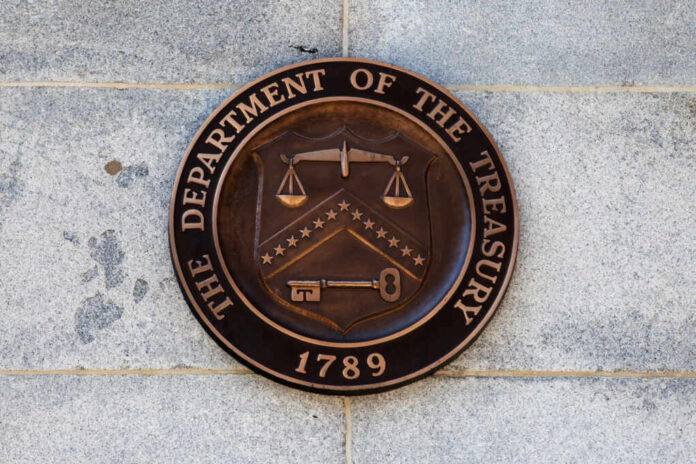
Trump’s Treasury Department strikes a decisive blow against Iran’s cryptocurrency shadow banking network.
Story Highlights
- U.S. sanctions target Iranian financiers and firms in Hong Kong and UAE for facilitating $100 million in crypto transfers from oil sales
- Iran’s sophisticated use of cryptocurrency to evade longstanding sanctions represents a direct challenge to American economic security
- Treasury’s action demonstrates Trump administration’s commitment to dismantling foreign adversaries’ financial networks
- Sanctions freeze U.S. assets and prohibit American entities from conducting business with designated individuals and companies
Treasury Targets Iran’s Digital Financial Lifeline
The Treasury Department’s Office of Foreign Assets Control imposed sanctions on two Iranian nationals and multiple firms operating in Hong Kong and the United Arab Emirates. These entities orchestrated a complex cryptocurrency network that processed over $100 million in proceeds from Iranian oil sales. The sanctions effectively cut off these actors from the U.S. financial system, freezing assets and prohibiting American businesses from engaging with them. This enforcement action represents the Trump administration’s aggressive approach to disrupting foreign adversaries’ attempts to circumvent American economic pressure.
Watch:
Iran’s Cryptocurrency Strategy Threatens Sanctions Effectiveness
Iran legalized cryptocurrency payments for imports in 2022, creating a systematic approach to bypass dollar-based financial restrictions. The regime leveraged digital assets’ pseudonymous and borderless nature to access global markets despite comprehensive U.S. sanctions targeting its oil sector. Third-country intermediaries in Hong Kong and UAE facilitated these transactions, providing Iran with crucial access to international cryptocurrency exchanges and liquidity. This sophisticated evasion network undermines decades of carefully constructed economic pressure designed to modify Iran’s destabilizing regional behavior and nuclear ambitions.
The Islamic Revolutionary Guard Corps and Iranian government officials directly benefited from these cryptocurrency transfers, using the proceeds to fund military operations and terrorist activities. Iran’s adoption of digital finance represents a broader pattern of sanctioned states exploiting emerging technologies to evade international restrictions. The regime’s success in monetizing oil exports through cryptocurrency demonstrates the evolving challenges facing traditional sanctions enforcement in the digital age.
Broader Implications for American Economic Security
This sanctions action signals increased regulatory scrutiny for cryptocurrency exchanges and service providers worldwide, particularly those operating in jurisdictions favored by Iranian networks. The Treasury’s enforcement demonstrates that blockchain transactions, despite their perceived anonymity, leave digital trails that American investigators can trace and prosecute. Financial institutions and crypto platforms now face heightened compliance obligations to prevent sanctioned entities from accessing their services.
The involvement of firms in Hong Kong and UAE highlights Iran’s reliance on third-country intermediaries to access global cryptocurrency markets. These sanctions may strain U.S. relationships with allied nations if their financial sectors continue facilitating Iranian sanctions evasion. The Trump administration’s willingness to target foreign entities supporting Iran’s illicit activities reinforces America’s commitment to maintaining the effectiveness of economic sanctions as a national security tool.
Sources:
Chainalysis: Crypto crime and sanctions trends, 2024–2025
Gard: Update on US sanctions against Iran
CSIS: Cryptocurrencies and US sanctions evasion implications
OFAC Lawyer: Iran cryptocurrency sanctions