
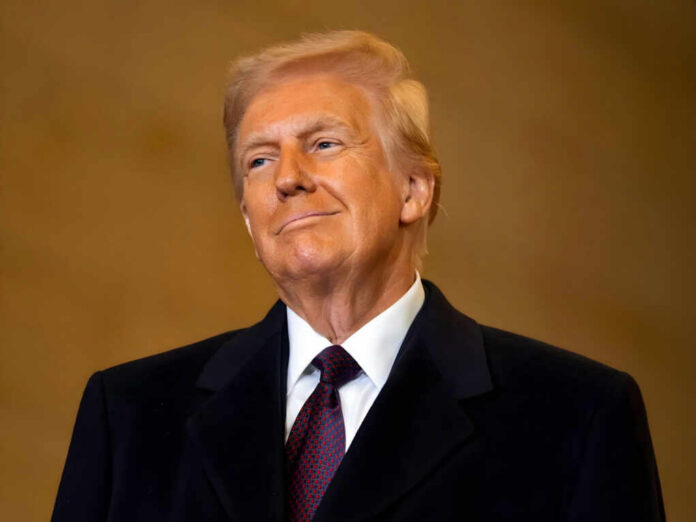
President Trump’s surprise decision to attend the 2026 White House Correspondents’ Dinner after boycotting the event throughout his entire first term signals a dramatic shift in his relationship with the mainstream media establishment.
Story Highlights
- Trump becomes first sitting president to attend the White House Correspondents’ Dinner since his 2011 appearance under Obama, reversing nearly a decade of boycotts
- Event breaks tradition by replacing comedian host with mentalist Oz Pearlman, eliminating the typical roast format that has defined the dinner for years
- First Lady Melania Trump accompanies the president, marking a rare joint appearance at the historically contentious press freedom celebration
- Conservative media outlets like NEWSMAX2 and Fox News frame attendance as transparency while critics predict confrontational speech targeting “fake news” outlets
Breaking Decade-Long Boycott Pattern
Trump’s attendance at the April 25, 2026 White House Correspondents’ Dinner represents his first appearance at the event as a sitting president. After consistently boycotting the annual gathering from 2017 through his first term, Trump reversed course in his second term, promising what he called the “greatest, hottest” dinner. The White House Correspondents’ Association, which has hosted the press freedom celebration since 1921, extended the traditional invitation that every president except Trump had previously accepted at least once while in office.
The decision sparked immediate controversy across the political spectrum. Supporters in conservative media praised the move as evidence of transparency and willingness to engage critics directly. Fox News personalities characterized the attendance as an opportunity to expose media bias. Meanwhile, skeptics questioned Trump’s motives, with late-night host Jimmy Kimmel suggesting the president was “too scared” to face traditional comedian roasts, instead opting for a format change that eliminated the pointed humor typically directed at the commander-in-chief.
Unprecedented Format Change Raises Questions
The 2026 dinner departed from longstanding tradition by selecting mentalist Oz Pearlman as host instead of the customary comedian. This format change eliminates the roast-style comedy that has defined the event for decades, particularly the pointed jokes aimed at sitting presidents. The decision raises questions about whether Trump’s attendance came with conditions that fundamentally altered the nature of an event designed to celebrate press freedom through lighthearted criticism of power. Historical precedent shows presidents from both parties enduring harsh comedic treatment, including Obama’s memorable 2011 roasting of Trump over birther conspiracy theories.
The shift away from comedy appears to benefit Trump, who has maintained an adversarial relationship with much of the press corps since entering politics. Trump’s history with the dinner includes pre-presidential appearances where he sat through Obama’s criticisms in 2011 and 2015, experiences that reportedly fueled tensions contributing to his first-term boycotts. By attending under a modified format, Trump gains the public relations advantage of appearing transparent while avoiding the traditional comedic accountability mechanism that makes the event meaningful as a press freedom celebration.
Media Divide Reflects Deeper Institutional Tensions
Coverage of Trump’s attendance split predictably along ideological lines, reinforcing concerns about media fragmentation serving political tribalism rather than public accountability. Conservative outlets like NEWSMAX2 provided live coverage framing the appearance positively, while late-night comedians like Kimmel staged alternative roast events attracting millions of views. Fox News commentators praised Trump’s “boldness” in facing media critics, while liberal commentators predicted confrontational attacks on journalists rather than genuine engagement. This divided reaction illustrates how institutions meant to unite Americans around shared democratic values increasingly become battlegrounds where elites on both sides play to their respective bases.
The event’s transformation from bipartisan tradition celebrating press freedom into polarizing spectacle reflects broader government dysfunction frustrating Americans across the political spectrum. Whether Trump’s speech would offer substantive engagement with legitimate media criticism or simply attack outlets as “fake news” remained uncertain as coverage began. What seems clear is that the dinner no longer serves its original purpose of good-natured accountability between power and press. Instead, it has become another venue where Washington elites perform for partisan audiences while fundamental problems facing ordinary Americans remain unaddressed by a political class more concerned with spectacle than governance.
Sources:
Trump’s correspondents’ dinner appearance sparks …
Awkward debut for Trump at correspondents’ dinner
Fox News Coverage: Trump White House Correspondents’ Dinner