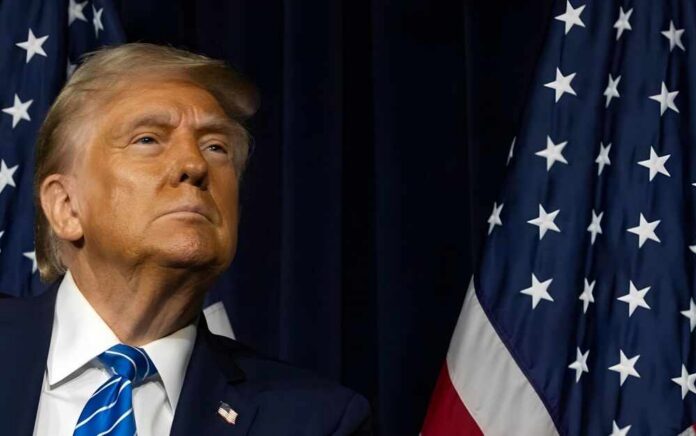
Trump’s latest move to put critical mineral plants on U.S. Army bases could help break our dependence on China and finally rebuild America’s industrial strength.
Story Snapshot
- The U.S. Army granted conditional leases to four companies to build mineral processing plants on American bases, a first in U.S. history.[2]
- These plants will process rare earths, graphite, lithium, and boron that are vital for weapons, electronics, and energy.[1][2]
- Construction could start in 2027 with production by 2028, directly backing Trump’s push for secure domestic supply chains.[2]
- Companies will fund base infrastructure upgrades instead of cash rent, easing the burden on taxpayers.[2]
Trump Uses Army Bases To Rebuild America’s Mineral Supply Chain
The U.S. Army has awarded conditional long-term leases to four companies to design, build, and run critical mineral processing plants on military bases.[2] This is the first time commercial mineral facilities have been sited inside active American installations, and it is framed as a direct execution of President Trump’s executive order on critical minerals.[2] The plan aims to close dangerous gaps in supplies needed for missiles, drones, night-vision gear, and advanced electronics, where China now dominates global processing capacity.[1]
The Army is using underused land at Anniston Army Depot in Alabama, Pine Bluff Arsenal in Arkansas, Red River Army Depot in Texas, and Tooele Army Depot in Utah to host these plants.[2] Officials describe the move as a major step to “secure domestic supply chains” by building processing capacity at home rather than relying on foreign refiners.[2] This approach fits Trump’s broader onshoring drive, including earlier federal stakes and loans to domestic mining firms and a planned multibillion-dollar stockpile of key minerals.[6][11]
Which Minerals And Companies Are Involved — And Why It Matters
The leases cover four main mineral lines: rare earth elements, graphite, lithium, and boron.[1][2] REalloys will process rare earths such as dysprosium and terbium at Tooele Army Depot in Utah, metals that are crucial for high‑performance magnets in precision weapons and military electronics.[2] Empire State Mines, a unit of Titan Mining Corporation, will purify graphite at Anniston and Pine Bluff, feeding batteries and defense systems.[2] EnergyX will handle lithium at Red River Army Depot, while ioneer USA will process boron at Tooele, supporting glass, ceramics, and high‑tech components.[2]
These minerals sit at the heart of modern defense and energy technology, yet China controls much of the world’s processing.[1] Trump’s base strategy is designed to cut that leverage by putting secure plants behind the wire on federal land, with existing security and no need for costly land buys.[6] According to the Army, the output is aimed at defense needs, not general commercial markets, which means these facilities will feed stockpiles and direct military supply rather than Wall Street speculation.[6]
How The Lease Structure Protects Taxpayers And Bolsters The Bases
The Army is using an “Enhanced Use Lease” authority under federal law to strike these deals.[2] Under this tool, the Army can lease non‑excess, underused land to private partners for long terms. Instead of paying cash rent, the companies will finance and deliver infrastructure improvements on the host bases, such as upgraded roads, utilities, and buildings.[2] This structure helps modernize aging depots without new budget bills, a welcome shift after years of federal overspending that frustrated many taxpayers.[2]
Army officials say any in‑kind construction must follow Davis‑Bacon prevailing wage rules and Buy American Act requirements, keeping jobs and spending in the United States.[2] Eligibility was limited to firms organized under U.S. law, with majority American ownership and a U.S. place of business, to guard against foreign influence.[2] Formal lease contracts are still being negotiated, and the service targets development starting as early as 2027, with initial operating capability by about 2028 if permitting and design stay on track.[2]
Risks, Local Concerns, And The Fight With China Over Minerals
These lease awards are described as “conditional,” meaning details can change and projects could still be delayed or even cancelled if problems arise.[2][3] Mining and processing facilities often face pushback from nearby residents over traffic, pollution fears, and land use, and early commentary notes that plants at places like Tooele, Anniston, and Pine Bluff may see the same pattern.[1] While siting them on bases bypasses some local zoning fights, environmental reviews and community relations will still shape whether the 2027 timeline is realistic.[1]
Trump Expands Critical Minerals Push With Army Bases
— Carol Adams (@CaroITAdams) June 27, 2026
The stakes are high because China has already used export controls and trade pressure around rare earths and other critical minerals, and allied nations are scrambling to cut reliance on Beijing.[1][11] Trump’s decision to harden supply chains through the military fits a long U.S. pattern of using defense infrastructure to solve national industrial weaknesses, but it also invites legal and political scrutiny of emergency powers and environmental impacts.[2][16] For conservatives who want strong defense, secure borders, and less dependence on hostile regimes, this Army‑base minerals push is a rare example of Washington using federal power to shore up core national strength instead of chasing “green” fads or globalist dreams.
Sources:
[1] Web – Trump Expands Critical Minerals Push With Army Bases
[2] Web – US Army opens bases to critical minerals plants – Miningmx
[3] Web – US army bases to host critical minerals plants in onshoring push
[6] Web – The U.S. Army is leasing land on bases across the country to …
[11] Web – US Army Bases to Host Critical Minerals Plants in Onshoring Push
[16] Web – Trump announces creation of $12 billion strategic critical mineral …