A new wave of protests challenges federal authority, igniting debate over civil liberties and government overreach.
Story Highlights
- Protests erupt at ICE facilities in Chicago and Portland amid federal troop deployments.
- The Trump administration defends actions as necessary to protect federal properties.
- Critics argue the move threatens civil liberties and represents federal overreach.
- Legal challenges are filed by local officials opposing the federal intervention.
Federal Troop Deployments Fuel Protests
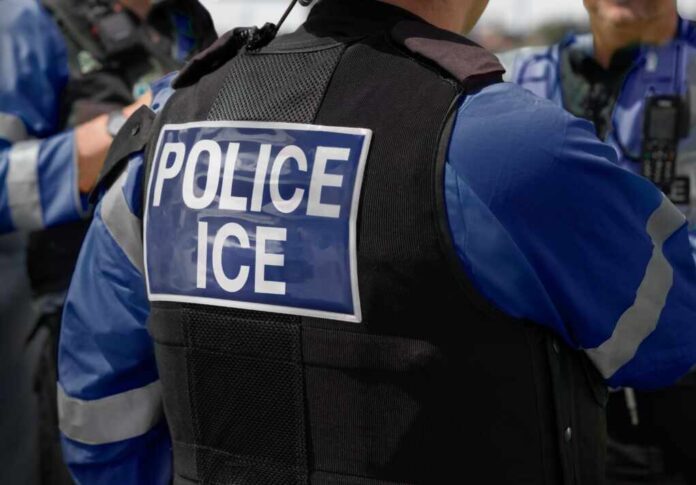
On September 29, 2025, major protests erupted at Immigration and Customs Enforcement (ICE) facilities in Broadview, Illinois, near Chicago, and Portland, Oregon. These demonstrations were in response to the Trump administration’s decision to deploy federal troops and National Guard units to protect federal properties amid ongoing protests. The move has been described by protesters as federal overreach and an aggressive law enforcement tactic, sparking clashes that included the use of tear gas and pepper balls.
Simultaneous protests in two major cities highlight the growing tension between federal authorities and local communities. This conflict underscores a broader national debate over immigration policies and the balance of power between federal and local governments. While the administration argues the deployments are crucial for maintaining order and protecting federal assets, local officials and activists view them as an infringement on civil liberties and local autonomy.
Watch: Anti-ICE Protests Erupt in Chicago, Portland Amid Trump’s Troop Deployment Push | Firstpost America
Local Resistance and Legal Challenges
Local and state officials, including Oregon Governor Tina Kotek and Illinois State Senator Karina Villa, have voiced strong opposition to the federal deployments. They argue that these actions violate local jurisdiction and threaten First Amendment rights. Both Portland and Chicago have histories of resisting federal intervention, which adds a layer of complexity to the situation as these regions continue to champion immigrant rights and community-based governance.
In response to the federal presence, legal challenges have been filed, questioning the legality of the troop deployments. These legal battles are set to test the limits of federal authority and could set important precedents for future interactions between federal and local governments. Meanwhile, protests continue to underscore the deep-seated issues surrounding immigration policy and federal enforcement tactics.
Impact on Civil Liberties and Community Relations
The deployment of federal troops has exacerbated tensions and led to heightened scrutiny of law enforcement practices. The aggressive tactics used against protesters and journalists have raised concerns about the erosion of trust between immigrant communities and law enforcement. The situation also emphasizes the potential chilling effect on protest and press freedom, as federal agents have been accused of using excessive force to suppress dissent.
As the protests unfold, the debate over federal intervention continues to polarize public opinion. The situation illustrates the complex interplay between maintaining national security and respecting local governance and civil rights. The outcome of these events could significantly influence upcoming policy decisions and the broader national discourse on immigration and federal authority.
Sources:
USA Today: ICE wants National Guard troops in Chicago amid ‘riots’ and arrests
DHS: Fighting Back Against Antifa Violence
The Independent: Chicago ICE National Guard Trump JB Pritzker