A controversial pardon decision by President Trump reveals a stark contradiction in his administration’s anti-drug policy, igniting debate and concern.
Story Overview
- Trump announces pardon for convicted drug trafficker Juan Orlando Hernández.
- The decision contradicts Trump’s previous tough stance on drug cartels.
- Pardon announcement coincides with endorsement of a Conservative candidate in Honduras.
- Critics question the consistency and motivations behind Trump’s foreign policy.
Trump’s Pardon Decision: A Bold Move with Significant Implications
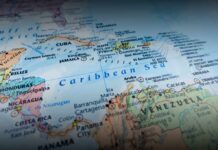
President Donald Trump announced over the weekend his intention to grant a “full and complete pardon” to Juan Orlando Hernández, the former president of Honduras. Hernández is currently serving a 45-year prison sentence in the United States for drug trafficking and weapons charges. This move directly contradicts Trump’s previously stated commitment to combating drug cartels and his ongoing “anti-drug crusade” against regional actors, particularly Venezuela.
The announcement was made via a social media post, coinciding with Trump’s endorsement of a Conservative candidate in Honduras’s ongoing elections. This timing suggests potential geopolitical motivations behind the pardon decision, raising questions about whether U.S. foreign policy is being influenced by political expediency rather than principles of justice.
Former Honduran President Juan Orlando Hernandez, who was convicted in 2024 of trafficking drugs into the U.S., has been freed from prison after he was granted a pardon by President Trump, officials said. https://t.co/b3H1KZNxxO pic.twitter.com/ZBZVds9sXM
— ABC News (@ABC) December 2, 2025
The Legal and Policy Contradictions Unveiled
The Department of Justice had characterized Hernández’s role as central to “one of the largest and most violent drug trafficking conspiracies in the world.” His conviction in 2024 was based on substantial evidence, including allegations that he helped drug cartels “move mountains of cocaine” into the United States over nearly two decades. Trump’s decision to pardon Hernández undermines the integrity of this federal conviction and calls into question the administration’s credibility on drug trafficking enforcement.
Critics argue that this pardon sets a concerning precedent for future cases involving foreign leaders convicted of similar crimes. It signals to other nations that drug trafficking convictions might be subject to reversal through political connections, potentially damaging the U.S.’s credibility in combating drug trafficking throughout Central America and the Caribbean.
Potential Geopolitical Motivations and Repercussions
Legal experts emphasize that while presidential pardon authority is constitutionally protected, its exercise in this case appears to clash with Trump’s public stance against drug trafficking. The endorsement of a Conservative candidate in Honduras adds a layer of complexity, suggesting that geopolitical or electoral considerations might be at play.
The broader implications of this decision could affect U.S. relationships with other Central American nations and Venezuela. As the pardon announcement remains in the preliminary phase, the formal execution of the pardon would require official documentation through appropriate federal channels.
Sources: