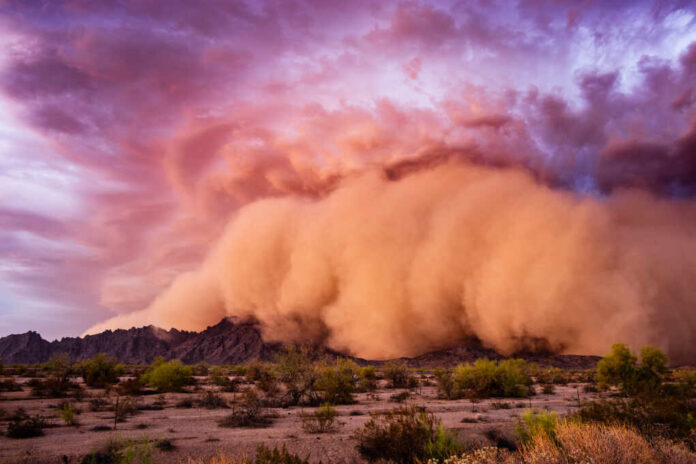
As Phoenix was plunged into darkness by a wall of dust, the region’s exposure revealed just how vulnerable American infrastructure—and daily life—remain to forces beyond government control.
Story Snapshot
- A massive “haboob” dust storm swept through Phoenix on August 25, 2025, grounding flights and cutting power to thousands.
- The storm’s severity, fueled by intense monsoon activity and persistent drought, exposed the city’s infrastructure weaknesses.
- Residents and emergency services faced immediate risks as visibility dropped to near zero and roads became hazardous.
- Experts warn that unchecked development and poor preparedness continue to put citizens, property, and local economies at risk.
Unprecedented Dust Storm Disrupts Phoenix
On August 25, 2025, a colossal *haboob*—a term for a powerful dust storm—engulfed Phoenix and nearby communities, turning day into night within minutes. The sky darkened so rapidly that motorists were forced off the roads, flights at Phoenix Sky Harbor International Airport were grounded, and thousands lost power. Triggered by a severe monsoon thunderstorm, this particular haboob stood out for its scale, described by witnesses as “sci-fi skies,” and its destructive impact on daily routines, travel, and infrastructure.
Such dust storms are not new to Arizona, but the intensity of this event—combined with years of drought and relentless urban sprawl—amplified the chaos. The city’s rapid growth has left vast stretches of loose soil and dust, making the region more susceptible to these natural disasters. As a result, even those who support robust local governance and limited federal intervention must reckon with the realities of underprepared infrastructure and the risks posed to families and businesses in the heart of America’s Southwest.
A towering wall of dust, known as a haboob, rolled through Phoenix Monday evening, plunging the city into near-zero visibility. pic.twitter.com/YXi3ZDfIW6
— AccuWeather (@accuweather) August 26, 2025
Emergency Response and Public Safety Under Stress
The storm exposed critical gaps in emergency preparedness and public safety. With visibility nearly eliminated, emergency services, law enforcement, and medical responders rushed to manage accidents and keep citizens safe. Power outages left thousands in the dark, and airport operations were crippled by water leaks and infrastructure damage. While local officials worked to restore order, the event underscored how sudden disasters can overwhelm even well-coordinated response systems—raising concerns among citizens who value self-reliance and personal responsibility in times of crisis.
By August 27, most major disruptions had been resolved, but localized outages and cleanup continued. Airport officials focused on repairing damages and clearing passenger areas, while authorities urged ongoing caution with more storms possible during the remaining monsoon season. The experience reignited calls for smarter, more resilient infrastructure and reinforced the importance of individual preparedness—principles long held by those wary of government overreach and bureaucratic delays in disaster response.
Watch: ‘Haboob’ plunges Phoenix into darkness • FRANCE 24 English
Impact on Community, Economy, and Conservative Priorities
The haboob’s short-term effects—grounded flights, hazardous roads, and power failures—quickly rippled through the community. Economic losses mounted as travel and commerce ground to a halt, while families worried about property damage and health risks, particularly for children, the elderly, and those with respiratory conditions. In the longer term, the episode highlighted the consequences of unchecked development and insufficient investment in critical infrastructure. For many in Phoenix, the storm became a stark reminder that government mandates and big spending on questionable “green” initiatives often overlook the real-world needs of local communities.
Sources:
A look back at Monday’s major monsoon storm that blew through the Valley