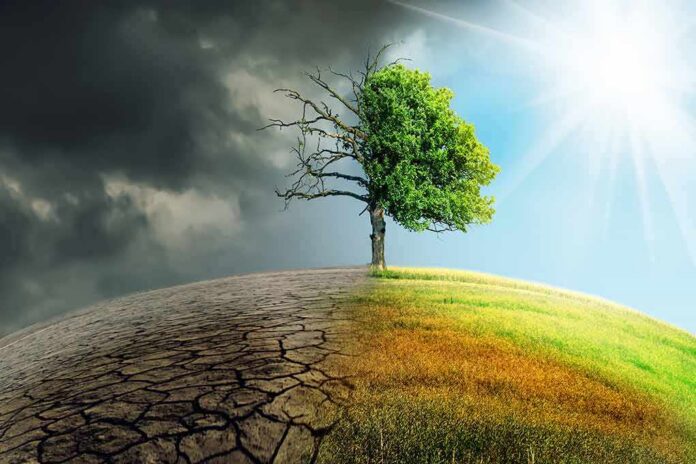
A once-in-a-century yellow fever surge in Brazil lined up with a punishing multi-year drought that pushed the virus to new frontiers.
Story Highlights
- Peer-reviewed studies link extreme drought to the 2016–2018 yellow fever outbreak timeline.
- Models indicate very dry conditions appeared months before cases rose.
- Scientists say drought likely drew infected monkeys and forest mosquitoes toward people.
- Health reports confirm a large sylvatic outbreak in southeastern states, not an urban cycle.
What the Studies Show About Drought and Timing
Researchers found the outbreak in southeastern Brazil matched years of dry conditions across key states. A 2022 analysis reported severe drought in Minas Gerais, where the epidemic started, and drought across all four affected states at the peak. A 2025 study reported that extreme dryness appeared about four months before cases spiked, offering a lead time that may aid warnings. These findings tie climate stress to outbreak timing without claiming drought was the only cause.
A once-in-a-century label came from modeling work that linked unusual dryness with conditions favoring transmission. The studies used drought indices and case data to track patterns across space and time. Results showed the driest periods aligned with higher risk windows. While such methods show association, they also help public health teams plan for seasons when spillover risk rises. The main takeaway is practical: watch the water cycle to foresee some disease threats.
How Drought Can Move Wildlife, Mosquitoes, and Risk
Scientists hypothesize a simple chain: when forests dry, animals and mosquitoes go where water remains. During the outbreak, experts proposed that infected howler monkeys left parched forests and moved toward edges of towns. Forest mosquitoes also likely sought humid refuges to avoid drying out. That shift brought the virus closer to people who live and work near the rural–urban border. This mechanism fits the observed sylvatic pattern of yellow fever in Brazil.
Field evidence from the same period supports a forest cycle in play. Teams in São Paulo State tested hundreds of dead monkeys and pools of mosquitoes. They found yellow fever virus in dozens of monkeys, signaling active transmission in forest habitats near people. Public health agencies in early 2017 also recorded large numbers of suspected and confirmed human cases in Minas Gerais and Espírito Santo. Those agencies described the events as sylvatic, with no confirmed urban transmission cycle.
Public Health Confirmation of a Sylvatic Outbreak
International and regional reports from the time focused on facts on the ground. By February 2017, authorities counted hundreds of suspected cases and over one hundred confirmed cases. They stated that all cases were sylvatic, meaning linked to forest mosquitoes and primates, and that no urban cycle had been documented in major cities. That profile aligns with the drought-linked movement story at the forest edge, rather than a city-centered event.
One caveat remains: the drought-to-movement chain rests on strong modeling and ecology, not on direct tracking of individual animals or mosquitoes during the crisis. Still, the pattern across studies and surveillance points the same direction. Dry years lined up with higher risk months. Monkeys and forest mosquitoes carried the virus near people. Human cases rose in edge zones. Together, these facts show how stressed landscapes can turn local problems into national emergencies.
Why This Matters for Americans Watching Their Own Risks
Drought, flood, and heat are not only about crops and power bills. They also shift where bugs and animals go. That can raise the odds of disease spillover to workers, travelers, and families. The lesson is plain: when leaders ignore water and land stress, health systems pay later. Early warning, vaccines for known threats, and smart land use are cheaper than crisis response. That is a basic duty government should meet across party lines.
Sources:
pmc.ncbi.nlm.nih.gov, science.org, gov.uk, nature.com