
Federal agents seized 13 websites they say targeted Americans with clearances, and researchers now see signs the network may be far larger.
Story Highlights
- Justice Department and FBI took down 13 domains tied to suspected Chinese recruitment.
- Websites posed as consulting firms and linked to job posts on hiring platforms.
- An outside analyst found over 100 more look‑alike domains with shared traits.
- China denies the claims, and officials have not shown what secrets, if any, were taken.
What Federal Agents Shut Down And Why It Matters
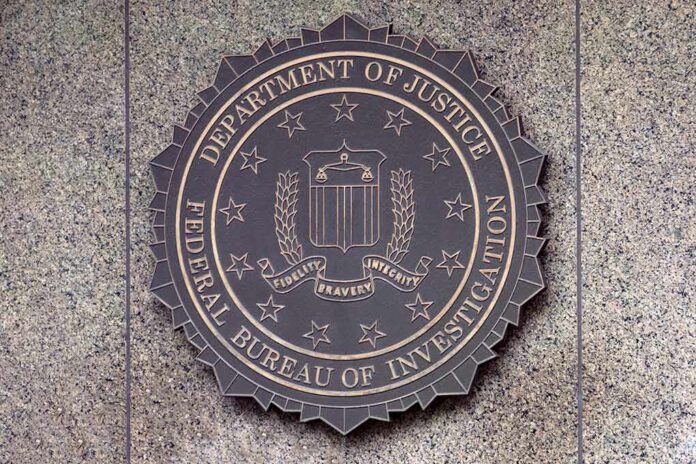
On June 10, 2026, the Department of Justice and the Federal Bureau of Investigation announced they seized 13 internet domains. Officials said the sites tried to recruit current and former U.S. workers with security clearances to share sensitive information. The pages looked like normal consulting firms with generic job offers. The action shows a concrete step by the government, not only a warning. The seizure list named each domain and tied the effort to suspected Chinese agents.
Justice Department materials said the sites pushed broad “consulting” work and suggested interest in government and military expertise. The Federal Bureau of Investigation noted that such offers can start as simple writing tasks and shift toward sensitive topics over time. The structure fits a known tactic: build trust, then ask for more. That pattern aligns with past counterintelligence guidance about foreign services using business fronts to spot and assess targets online.
How The Alleged Recruitment Worked Across Platforms
Agents described a pathway from social media pitches to the seized websites. An affidavit referenced job posts on LinkedIn and other hiring platforms that pointed applicants to these domains. The funnel created a sense of legitimacy using familiar tools, like resumes and invoices, before asking for expertise. This mirrors years of reporting on social media recruitment by foreign services targeting Western professionals and former officials with subject knowledge and contacts.
CNN reported that independent analyst Max Lesser, at the Foundation for Defense of Democracies, identified more than 100 additional domains with similar digital fingerprints. These included shared web infrastructure and questionable corporate details. Lesser provided examples to journalists, who linked the traits back to the seized set. The suggestion is a broader network may exist beyond the initial 13 sites, though not all have public, conclusive attribution one by one.
What Is Proven, What Is Alleged, And What We Do Not Know
The seizure is documented. The 13 domains are named. The government tied them to suspected Chinese agents. Officials emphasized that the Chinese government seeks U.S. research and sensitive information through deceptive online recruiting. These are on-record statements from law enforcement. However, public materials do not name specific intelligence officers or show a command chain for the operation. They also do not state which secrets, if any, were actually taken.
Reuters reports US officials are divided over whether Alice Huang, a former executive at a major Nvidia customer, was passing information to China
The FBI has assessed US intelligence does not show she is an officer or asset of Chinese intelligence, the CIA view is less settled,… pic.twitter.com/gHB1BUDbKj
— PowerIndex (@PowerIndexMedia) November 26, 2026
The Chinese Embassy in Washington rejected the claims and called the threat narrative fabricated. Reporters also noted that the alleged operators denied foreign government involvement in the activity. These denials exist, but they do not include technical evidence that rebuts the government’s case for the 13 domains. As for the 100-plus additional sites, journalists stressed that similarity suggests, but does not prove, common control across all of them.
Why Readers Should Care Beyond The Headlines
This case shows how everyday tools—job sites and consulting gigs—can become channels for foreign intelligence work. It also shows a familiar gap: the public often sees the takedown but not the evidence behind each link in the chain. That fuels worries on the right and left that the system talks tough but shares little. People want proof that leaders are protecting workers who served, and that platforms move faster to stop fake recruiters.
Practical steps can help. Clearance holders and veterans should verify offers through known contacts and company domains. They should avoid sending work product without written terms that bar sensitive or nonpublic material. They should report pressure for inside information right away. Agencies can help by releasing redacted affidavits and indicators of compromise so targets and platforms can spot copycats. Transparency builds trust and makes future takedowns faster and cleaner.
What Comes Next In The Investigation
Investigators can firm up attribution by tracing registrar, hosting, and payment records that link accounts across the seized and suspected domains. They can also document direct recruitment attempts through preserved messages and emails, which would show intent and method. The key test is whether any recruitment led to classified transfers. That requires careful interviews and forensic checks. Until then, the 13-domain action stands, and the larger map remains a work in progress.
Sources:
redstate.com, justice.gov, apnews.com, edition.cnn.com, ibtimes.sg