
Baghdad ordered a sweeping federal takeover of Kurdish-run border crossings and key northern oilfields, citing an oil-smuggling probe that triggered high-level firings and a sharp backlash from Kurdish leaders.
Story Snapshot
- Prime minister ordered federal control of all Kurdistan Region crossings and several oilfields.
- Government tied the move to an investigation into smuggling at the North Oil Company.
- Kurdish leaders rejected the orders as unconstitutional and against prior talks.
- Analysts warn the dispute could strain Iraq’s fragile power-sharing system.
Federal Orders Target Borders and Northern Oilfields
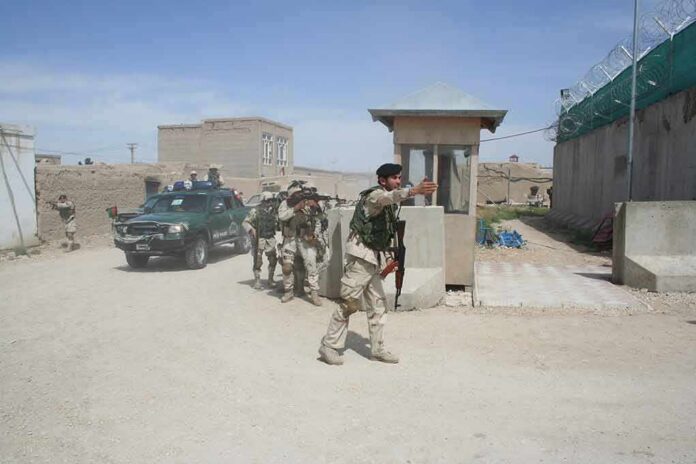
Reuters reported that Prime Minister Ali al-Zaidi directed the oil ministry to manage oilfields in Diyala, Kirkuk, Salahuddin, and Nineveh, and told the border-crossings authority to assume control of all crossings in the Kurdistan Region. Al Jazeera said federal border forces were also told to close unofficial routes and seasonal roads near the frontiers. These steps reach outside the autonomous region’s formal map but into sites long guarded by Kurdish security units.
Baghdad linked the crackdown to alleged smuggling tied to the state-run North Oil Company, which oversees much of the north’s production. Reports said leaders suspended the company’s director general and deputies and removed top border officials, signaling that the government blames named offices for lapses. The orders also direct that regional oil exports align with federal channels, a long fight that has split Baghdad and Erbil for years.
Kurdish Authorities Reject Central Control
Kurdistan Region Prime Minister Masrour Barzani called the decisions completely unacceptable and said they conflict with ongoing talks with Baghdad. A joint statement by the Kurdistan Democratic Party and the Patriotic Union of Kurdistan warned that violating the region’s gains is a red line and said unilateral federal moves do not serve Iraq’s stability. Kurdish officials argue their constitutional rights cannot be set aside and that oil marketing through the federal system remains rejected.
Coverage highlighted that the federal orders do not include a public legal brief showing the exact constitutional basis for taking over all regional crossings. Reports also do not include the underlying investigation files, transaction records, or names of alleged smugglers, leaving outside reviewers unable to verify the smuggling claims independently. One outlet noted that powerful armed factions have disputed parts of the official account, adding political heat to a technical probe.
What This Means for Iraq’s Power and Revenues
The dispute fits a long-running tug-of-war inside Iraq’s federal system over who manages oil in producing areas and who controls borders that feed public budgets. Analysts note that the 2005 Constitution says oil belongs to all Iraqis but leaves management lines blurry, which has fueled repeated standoffs between Baghdad and Erbil. The current orders may shift near-term leverage to the center, but they risk deepening mistrust unless both sides produce proof, clear rules, and joint revenue tracking.
"Baghdad’s decisions to takeover the #Kurdistan Region’s oil fields and border-crossings are “unexpected and deeply surprising,” the two Kurdish parties, [the KDP & PUK], said in a joint statement" @RudawEnglish
— Hoshmand Othman (@HoshmandOthman) November 24, 2026
For everyday Iraqis, the stakes are concrete: who guards crossings, who meters barrels, and who collects fees decide whether salaries get paid on time and fuel prices stay stable. For Americans watching from afar, this is another lesson in how opaque bureaucracies and rival power centers can choke basic governance. Citizens on the right and left often agree on this point: without transparency, accountability, and simple public ledgers, elites make the rules and the people pay the price.
What to Watch Next
Watch for Baghdad to publish the full smuggling investigation, including dates, volumes, and routes, or face growing doubt across Iraq’s factions. Look for Erbil to seek court remedies and for outside mediators to press for a written revenue-sharing plan with shared metering. Track whether federal forces actually take physical control at each crossing and field, and whether customs receipts and oil output rise or fall in the weeks ahead.
Sources:
tri-cityherald.com, aljazeera.com, businessday.co.za, hurriyetdailynews.com, zufron.com, fidelity.com, reuters.com