Kamala Harris’s attempt to distance herself from Biden’s Gaza policy was met with fierce opposition from protesters.
Story Highlights
- Kamala Harris’s book tour in New York met with pro-Palestine protests.
- Protesters accused Harris of complicity in the Israel-Hamas conflict.
- Harris emphasized her limited power as vice president to influence policy.
- The event highlights Democratic Party divisions on foreign policy.
Protest Disrupts Harris’s Book Tour Launch
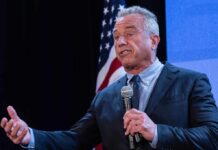
On September 24, 2025, Kamala Harris kicked off her book tour for “107 Days” in New York City, only to be interrupted by pro-Palestine activists. The protesters accused her of complicity in the Israel-Hamas war, prompting Harris to defend her record and emphasize her limited authority as vice president. The disruption underscored the ongoing tensions within the Democratic Party concerning U.S. policy towards Gaza and Israel.
The event took place at Manhattan’s Town Hall, where at least three protesters vocalized their dissent, leading to their removal by security. Harris responded by reiterating her previous calls for a cease-fire in Gaza, distancing herself from Biden’s administration stance. She remarked, “I’m not president right now. There’s nothing I can do,” highlighting her lack of executive power.
Watch; Pro-Palestine Protesters Interrupt Kamala Harris Book Tour
Democratic Party Divisions Exposed
The protest at Harris’s book launch is emblematic of deeper divisions within the Democratic Party, particularly over foreign policy in the Middle East. Since the Israel-Hamas conflict escalated in October 2023, there have been increasing calls from progressive Democrats for a cease-fire. Harris had previously diverged from the administration’s official stance, calling for a temporary cease-fire in March 2024, which has led to scrutiny over her current political positioning.
The Democratic Party’s struggle to maintain unity while addressing activist demands is becoming increasingly apparent. The protests reflect broader dissatisfaction with past policies perceived as overly supportive of Israel at the expense of Palestinian rights, a sentiment gaining traction among progressive factions within the party.
Implications for Harris and the Democratic Party
The immediate impact of the protest is increased media attention on Harris’s stance and the Democratic Party’s divisions over Gaza. For Harris, this incident could influence her political prospects and how she is perceived by both her party and the public. Long-term, the Democratic Party may need to reassess its approach to Middle East policy to reconcile the growing demands for humanitarian intervention with traditional support for Israel.
As the book tour continues, Harris faces heightened security and ongoing scrutiny from activists. Her remarks have drawn varied reactions, reflecting the contentious nature of U.S. foreign policy debates. The broader implications for the Democratic Party include potential shifts in policy and electoral strategies to better align with changing public sentiments.
These events underscore the challenges faced by politicians like Harris, who must navigate public dissent and internal party dynamics while promoting their public image and policy positions. The intersection of book tours and political protest highlights the evolving landscape of political discourse in the United States.
Sources:
Kamala Harris Confronted by Protesters at New York Book Event