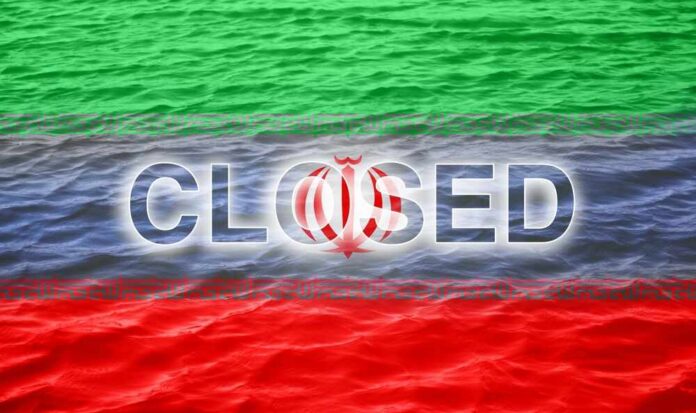
A chokepoint halfway around the world is driving up U.S. prices and exposing how fragile “just-in-time” global trade really is.
Quick Take
- The Strait of Hormuz has been blocked since Feb. 28, cutting off a major share of global oil and petrochemical flows and pushing Brent crude above $100.
- President Trump’s administration has paired naval enforcement with a “shoot-and-kill” directive while also pursuing Pakistan-hosted talks to reduce escalation.
- Market data show a widening split between global crude prices and U.S. benchmarks, cushioning America somewhat but not insulating consumers from inflation pressure.
- The reported “$24B Iraq trade corridor” narrative is circulating, but the specific price tag and project details are not directly verified in the provided sources.
Hormuz Blockade Rewrites the Energy Map Overnight
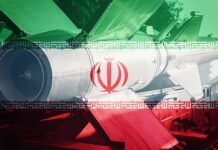
Iran’s enforcement of the Strait of Hormuz blockade has choked a route that normally moves a huge share of Gulf oil and petrochemicals, creating immediate knock-on effects for shipping, refining, and consumer prices. The research indicates the disruption involves roughly 21 million barrels per day, with broader impacts on non-oil exports as well. Brent prices have surged from pre-crisis levels to more than $100, signaling a sustained supply shock rather than a brief scare.
U.S. consumers feel the pain even when America produces more energy at home because global crude is still the reference point for many refined products and for inflation expectations. The research highlights a notable gap between Brent and WTI, a reminder that “energy independence” reduces vulnerability but does not eliminate it. For households already fed up with years of high costs, this episode adds fresh pressure—especially in transportation, heating, and goods that ride on diesel-powered supply chains.
Trump Mixes Deterrence and Diplomacy as Markets Watch Every Signal
President Trump’s second-term response, as described in the research, blends hard-power deterrence with an effort to keep a diplomatic off-ramp open. The timeline includes a U.S. Navy tanker seizure early in the week, an extended ceasefire announcement midweek amid additional ship seizures, and then a “shoot-and-kill” order paired with warnings from international energy officials. The same research notes U.S. envoys traveling for Pakistan-mediated talks, underscoring that escalation and negotiation are running in parallel.
This mix matters because traders price risk minute-by-minute. The research cites shifting market expectations and the possibility that opening prices in Asia could signal progress or deterioration. While the details of backchannel discussions remain limited, the practical takeaway is simple: when shipping lanes become battle lines, the cost of everything tied to fuel becomes less predictable. For voters skeptical of global entanglements, the episode is also a reminder that foreign crises can still reach American wallets fast.
The “$24B Iraq Corridor” Claim Faces a Verification Gap
The idea that a Hormuz shock could accelerate alternative overland routes is plausible in general terms, because cargo owners look for any reliable path when a maritime chokepoint closes. The research references an Iraq-centered corridor valued at $24 billion, framed as a way to bypass blocked Gulf routes. However, the same research explicitly says direct confirmation and specifics for that exact “$24B” corridor are not present in the cited material, making the figure hard to treat as settled fact.
That verification gap is important for readers who are tired of narrative-driven headlines. A corridor may emerge, and regional states may invest in logistics to capture new trade flows—but without clear project documentation, timelines, contracting parties, or financing terms in the provided sources, the number should be treated as a circulating claim rather than a confirmed budget. Responsible analysis separates what is clearly supported (blockade, price spikes, seizures, official warnings) from what is still emerging.
Inflation, Globalism, and the Renewed Argument for Resilience
The economic impact in the research extends beyond oil charts. Higher crude feeds broader inflation pressure, and the research points to rising inflation expectations and a more complicated path for interest-rate decisions. That dynamic collides with long-running public frustration: conservatives blame years of overspending and energy constraints, while many liberals argue the burden falls hardest on households already behind. The common ground is that the system feels rigged when ordinary people pay the bill for decisions made far away.
Hormuz crisis spurs $24B Iraq trade corridor as Gulf routes shift – Fox News https://t.co/6V3MYLNq6K
Follow @NewsHubGlobe for 24/7 breaking news from around the world. pic.twitter.com/ig2I0uvQng
— News Hub (@NewsHubGlobe) April 27, 2026
In practical terms, the Hormuz crisis strengthens the case for policies that prioritize resilience: secure sea lanes, credible deterrence, and domestic capacity that reduces exposure to overseas choke points. It also highlights a governance problem both sides increasingly recognize—when Washington lurches from crisis to crisis, families and small businesses are left navigating uncertainty with little margin for error. Until the blockade eases, the biggest story may be how quickly global instability translates into everyday costs.
Sources:
#Oil prices crossed $100 a barrel after the US imposed a …
Oil prices hold above $100 as Iran seizes ships in Strait of …
Crude oil analysis: Brent could easily top $100 if Hormuz …