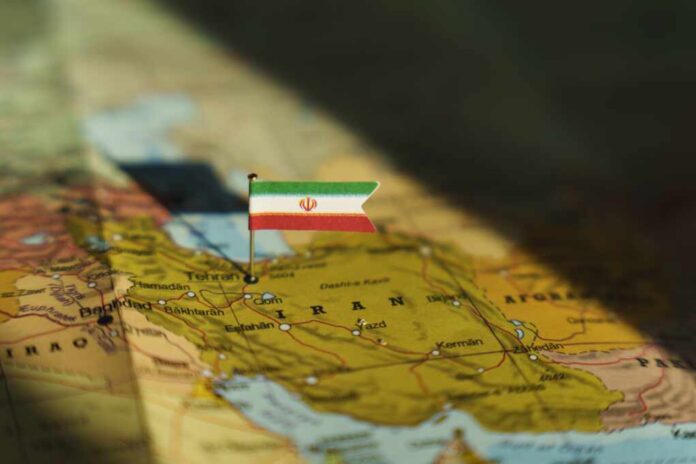
The looming threat of renewed UN sanctions against Iran is stirring global tensions, as Europe seeks a last-minute resolution over Iran’s nuclear program.
Story Snapshot
- Iran faces a critical deadline to satisfy European demands or face snapback sanctions.
- Diplomatic talks between Iran and E3 nations aim to avert a crisis.
- The snapback mechanism under the JCPOA expires in October, pressing urgency.
- Iran’s threats against IAEA officials further complicate negotiations.
Iran’s Nuclear Program and the JCPOA
Iran’s nuclear ambitions have long been a point of contention, with the Joint Comprehensive Plan of Action (JCPOA) established in 2015 to limit Iran’s nuclear activities in return for sanctions relief. However, the withdrawal of the US from the JCPOA in 2018 destabilized the agreement, leading Iran to incrementally breach its terms. Now, European powers are threatening to trigger the ‘snapback’ mechanism if Iran does not comply by August 31, 2025, reinstating UN sanctions.
The urgency is underscored by the October 18 expiration of the snapback provision, which would make it more challenging to reimpose sanctions. This creates a tight window for diplomacy, with Iran seeking to maintain its nuclear capabilities while demanding the lifting of what it calls “unlawful sanctions.” The stakes are high, as failure to reach a consensus could escalate regional tensions and further erode the JCPOA framework.
"Europe has no power to extend deadline for sanctions": Iran rejects Europe's snapback sanctions bid after Germany, France, and UK threatened to trigger sanctions by August end@Mohammed11Saleh reports pic.twitter.com/4bD2Jmyqrf
— WION (@WIONews) August 21, 2025
The Diplomatic Dance
Amidst this tense backdrop, Iran’s Foreign Minister Abbas Araghchi plans to hold a conference call with his counterparts from France, Germany, and the UK. The European trio (E3) has expressed skepticism over Iran’s commitment to the deal, given its past non-compliance. The negotiations aim to restore IAEA access and address European concerns, yet Iran’s recent threats to arrest IAEA Director-General Rafael Mariano Grossi if he visits complicate these talks.
The demand for transparency and compliance remains a focal point, with the IAEA urging Iran to allow more rigorous inspections to assure the international community of its peaceful intentions. However, Iran’s defiance and regional alliances with Russia and China add layers of complexity to the diplomatic efforts.
Watch; Iran Refuses To ‘Obey’ US As Nuclear Talks With Europe Restart | WION Pulse
Global Implications and Future Prospects
If the snapback mechanism is activated, Iran faces further economic isolation, impacting its already struggling economy and potentially destabilizing the Middle East. European nations are striving to prevent nuclear proliferation and maintain regional stability, but the approaching deadline intensifies the stakes. The situation also tests the resolve and influence of the United Nations Security Council, particularly China and Russia, who have shown support for Iran.
In the long term, the outcome of these negotiations will significantly shape the future of international nonproliferation agreements. The erosion of the JCPOA could weaken global confidence in diplomatic resolutions, pushing parties towards more aggressive stances. The coming weeks are crucial, as all involved must navigate a path that avoids escalation and promotes stability.
Sources: