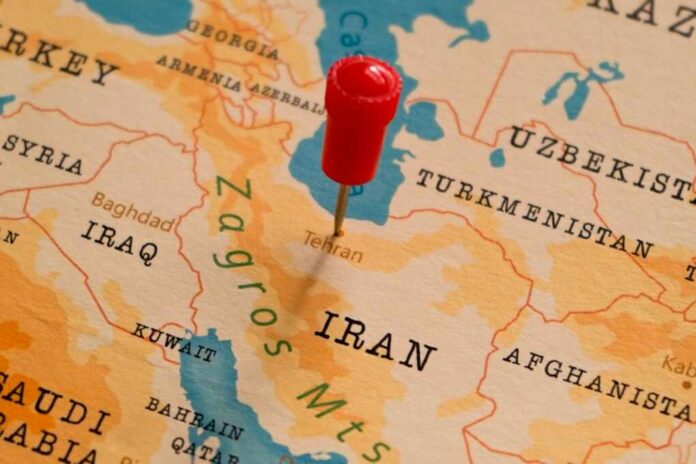
As Iran’s theocratic regime plunges the country into a digital blackout to crush massive street protests, the world is getting a stark reminder of what happens when unchecked power tramples basic freedoms.
Story Snapshot
- Iran’s rulers cut the internet and even some phone lines as nationwide protests over economic collapse and tyranny spread across all 31 provinces.
- Rights groups report dozens of protesters killed, including minors, with claims of live fire and raids on hospitals treating the wounded.
- Protesters openly call for regime change, tearing down regime symbols and rejecting clerical rule after years of repression.
- Trump’s America, once again, is forced to confront a brutal regime that censors, surveils, and silences its own people.
Iran’s Internet Blackout Shows the Face of Unchecked State Power
Iran’s government responded to some of the largest anti-regime protests in years by imposing a near-total nationwide internet shutdown on the evening of January 8, 2026, timed precisely as opposition leaders called for mass demonstrations at 8 p.m. local time. NetBlocks and independent media observed connectivity plunging earlier that afternoon, followed by what observers described as a full “digital blackout” as crowds surged into streets across Tehran and dozens of other cities.
Authorities reportedly went beyond cutting mobile data and home broadband, with rights groups and exiled opposition figures saying some landlines were also disrupted, further isolating communities already facing economic crisis and political repression. For Americans who watched years of Big Tech censorship and government pressure at home, Iran’s blackout is a chilling example of where centralized control over information and infrastructure can ultimately lead when not restrained by a real constitution.
Iran cut off all mobile internet from the outside world
Cloudflare data shows Iranian IPv6 networks dropped to zero as protests enter day 12
Millions of Iranians now disconnected while regime fires on demonstrators
This is the 🅱️iggest digital blackout since the 2025 war pic.twitter.com/CbYvxg9KY7
— Boi Agent One (@boiagentone) January 8, 2026
Protests Fueled by Economic Collapse and Years of Repression
The latest unrest began in late December 2025 when the Tehran bazaar, a historic economic and political bellwether, shut down after Iran’s currency plunged to new lows and inflation crushed ordinary families. What started as anger over sky-high prices and collapsing wages rapidly escalated into open political revolt, spreading to all 31 provinces and hundreds of locations, including smaller, poorer towns that have often been the regime’s traditional base.
Demonstrators are not merely demanding cheaper food or fuel; they are chanting explicitly anti-regime slogans, tearing down statues of regime icons such as Qassem Soleimani, and calling for the end of clerical rule itself. This movement follows earlier waves in 2009, 2017–18, 2019, and the Mahsa Amini protests of 2022–23, but human-rights observers describe the current scale as among the largest and most geographically widespread yet, with strikes hitting commercial centers and universities postponing exams amid growing unrest.
Deadly Crackdown: Live Fire, Hospital Raids, and Mass Arrests
While the blackout has made real-time verification difficult, Iranian and international rights organizations report that at least several dozen protesters have been killed so far, with estimates clustering in the mid-forties and including multiple minors. Security forces tied to the Revolutionary Guard Corps and Basij militia are accused of using live ammunition in cities such as Lordegan and other provincial towns, adding to a toll that already includes hundreds wounded and thousands detained.
Reports from rights groups and exile networks describe security units storming hospitals to capture wounded demonstrators, a tactic that both deepens public fear and deters people from seeking lifesaving care. For American readers who value the rule of law, due process, and the sanctity of medical spaces, these accounts underscore the fundamental difference between a constitutional republic and an unaccountable security state that answers only to a supreme leader and his loyal guards.
Regime Survival Versus a People Demanding Freedom
At the center of this confrontation stands Supreme Leader Ayatollah Ali Khamenei, who ultimately controls Iran’s security forces and strategy, while President Masoud Pezeshkian publicly admits that his government shares responsibility for the crisis but offers little sign of restraining the crackdown. Hardline members of parliament brand protesters as foreign-backed “rioters” and demand even tougher measures, while exiled figures such as Reza Pahlavi and the National Council of Resistance of Iran work to amplify the uprising from abroad.
The regime’s decision to flip the kill switch on the internet is no isolated event; Iran has repeatedly used shutdowns during major protests, from the bloody 2019 fuel-price demonstrations to the Mahsa Amini uprising. Each time, authorities lean on censorship, propaganda, and brute force to survive another cycle, eroding what remains of their legitimacy. For conservatives wary of expansive surveillance and government overreach, Iran’s pattern is a stark warning about how quickly “national security” can become an all-purpose justification for silencing dissent.
https://youtu.be/ez72Zepxsic?si=g6pApilKvNOAXToB
Sources:
Iran protests swell nationwide as crackdown intensifies and internet is cut
Iran regime cuts nationwide internet access as protests claim 44 lives across major cities
Nationwide internet outage hits Iran as evening protests ramp up