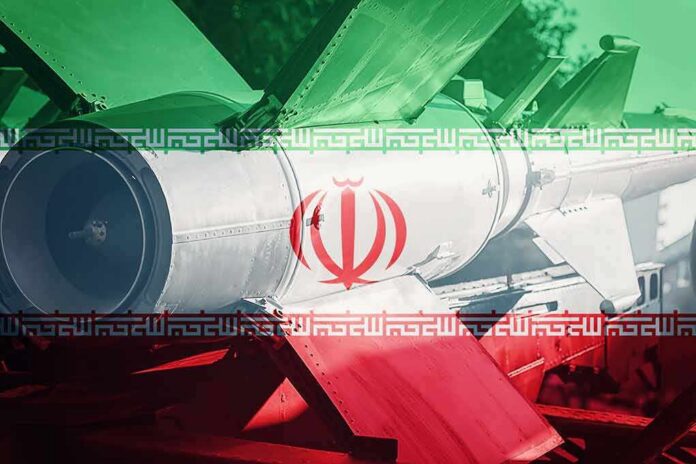
A United Nations expert panel has repeatedly linked North Korea and Iran in banned missile technology exchanges, raising fresh questions about how America’s enemies work around sanctions to threaten U.S. forces.
Story Highlights
- U.N.-linked findings describe North Korea–Iran missile cooperation that violates sanctions.
- Iran denies any missile or nuclear collaboration with North Korea, disputing the claims.
- U.S. sanctions have targeted networks tied to illicit transfers supporting Iran’s missile growth.
- China has downplayed or blocked public release of related U.N. reports, complicating oversight.
What Investigators Say Has Been Happening
United Nations experts and major news outlets have reported recurring technology exchanges between North Korea and Iran that violate Security Council sanctions. A confidential U.N. panel report described regular transfers of missile items and know-how, including suspected air trans-shipments, and noted design overlaps between systems in both countries. Follow-on reporting said cooperation resumed in 2020 and involved key parts for long-range missile work, suggesting that the network adapted and endured under pressure. These claims frame a pattern, not a one-off event.
U.S. and allied analysts have long argued that Iran’s missile gains reflect outside help layered onto its own advances. Washington has targeted foreign firms and middlemen for aiding Iran and North Korea’s weapons programs, using the Iran, North Korea, and Syria Nonproliferation Act to hit suppliers and facilitators with penalties. Earlier actions dating back to 2000 show a continuous enforcement arc against transfers tied to both countries, underscoring persistent gaps in border control and export policing.
What Tehran Says In Response
Iran’s government rejects the allegations. Its Foreign Ministry has stated that Iran does not trade missile technology or components with North Korea and does not need foreign help for such work. In later comments, Tehran again dismissed claims of missile or nuclear cooperation as unfounded, framing the reporting as biased speculation rather than fact. These denials challenge the narrative but do not resolve the core dispute because they do not address the specific U.N. panel findings reported by multiple outlets.
The public record still relies heavily on U.N. expert work, member-state inputs, and leak-based summaries, which are strong but not always fully transparent to citizens. That structure fuels a familiar cycle: governments cite sanctions breaches to justify penalties, Iran issues firm denials, and independent observers see only partial documentation. The gap between classified evidence and public briefings leaves many Americans doubting that global watchdogs can keep up with agile smuggling networks and state-run fronts.
Why This Matters For U.S. Security And Credibility
U.S. troops and partners in the Middle East sit within range of Iran’s expanding missile inventory. If North Korean inputs helped Iran harden, extend, or conceal these systems, then American bases, ships, and embassies face higher risk at lower warning times. That risk forces higher defense spending on interceptors, electronic warfare, and base hardening while straining already tight budgets. Voters see the bill rising while adversaries find new routes around rules, feeding a belief that the system protects insiders, not citizens.
Geopolitics also complicates enforcement. China has publicly downplayed the U.N. report and, according to diplomats, blocked its release, making it harder to rally pressure in the Security Council. When major powers shield sensitive findings, enforcement shifts to piecemeal national actions and quiet partner work. That patchwork approach can slow illicit flows but rarely stops them. The result looks like stalemate: more sanctions lists, more denials, more loopholes. Both left and right see a global system that talks tough yet fails to deliver lasting deterrence.
Sources:
19fortyfive.com, jp.reuters.com, rferl.org, bbc.com, reuters.com, nknews.org, centerforsecuritypolicy.org, voanews.com, aljazeera.com, globalsecurity.org