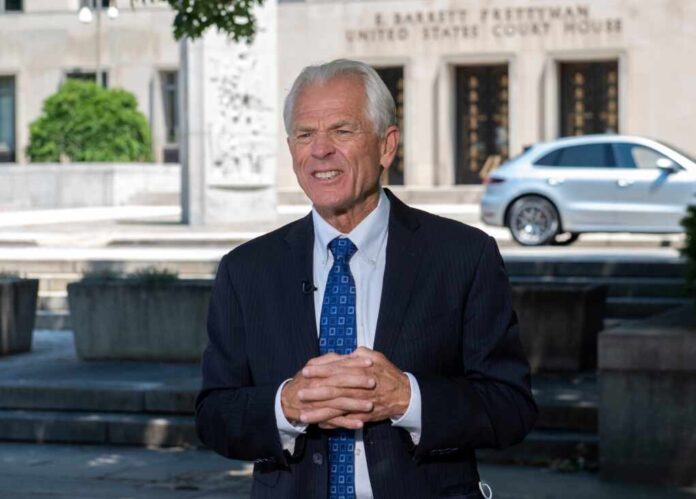
Peter Navarro’s imprisonment for defending executive privilege signals that if a top White House adviser can be jailed, so can any American who stands up to politicized prosecutions.
Story Snapshot
- Peter Navarro, former Trump adviser, served 120 days in prison for refusing a congressional subpoena, asserting executive privilege.
- Navarro’s new book frames his ordeal as “lawfare”—the targeting of political opponents through legal mechanisms.
- His case stirs debate over constitutional protections, government overreach, and the limits of lawful dissent in America.
- Navarro’s ongoing appeals and media campaign highlight growing concerns about precedent and civil liberties for everyday citizens.
Navarro’s Imprisonment: A Case Study in Lawfare and Political Targeting
Peter Navarro, a senior adviser in the Trump administration, was sentenced to 120 days in federal prison after refusing to comply with a subpoena from the House January 6th Committee. Navarro invoked executive privilege, contending that the committee’s demands violated the constitutional separation of powers and the rights of presidential advisers. His refusal led to an indictment and conviction for contempt of Congress, a charge rarely enforced against senior executive officials. Navarro’s book, released in September 2025, details his arrest, the conditions he faced behind bars, and his belief that his prosecution was part of a broader campaign to intimidate and silence political opposition.
Peter Navarro’s book is a warning: If they can jail me, they can jail you https://t.co/SYrhuIe2qj pic.twitter.com/xMA4uLodik
— TheBlaze (@theblaze) September 18, 2025
The Broader Constitutional Stakes and Public Debate
Navarro’s prosecution must be understood in the wider context of post-January 6th investigations and the intensifying use of legal mechanisms against political adversaries. The Department of Justice, acting on the committee’s referral, prioritized enforcement of congressional subpoenas even when executive privilege was claimed. The controversy over Navarro’s case has fueled public skepticism toward government agencies and amplified concerns about the future of lawful dissent in America.
Navarro’s ordeal is not isolated. The prosecution of other Trump advisers, such as Steve Bannon, and ongoing debates over the boundaries of privilege, reflect a broader pattern of using legal processes to target political adversaries. Today, Navarro’s appeals continue, with his case potentially heading to the Supreme Court for a definitive ruling on the limits of congressional oversight and the integrity of executive privilege.
Societal Impact: Erosion of Trust, Mobilization, and Legal Uncertainty
The consequences of Navarro’s prosecution go beyond individual punishment. For political advisers, government officials, and engaged citizens, the case signals heightened legal risk for dissent and advocacy. The significant legal costs and the need for public fundraising highlight the personal sacrifices involved. More broadly, the episode deepens polarization and mistrust in government institutions. The ultimate legal resolution of Navarro’s appeals will shape the precedent for future disputes between Congress and the executive branch, with lasting implications for the balance of power and the freedom to dissent without fear of retribution.
Sources:
Peter Navarro’s book is a warning: If they can jail me, they can jail you
The Sean Hannity Show: Navarro’s Prison Ordeal (September 18th, Hour 3)
The Truth About Jimmy Kimmel’s Suspension – Guests: Peter Navarro, Lexi Kuenzle (9/18/25)