
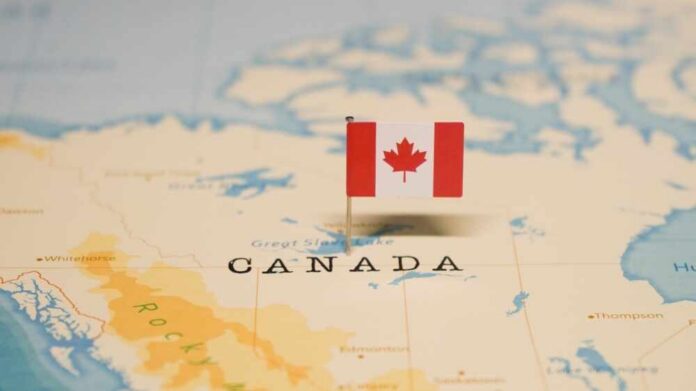
A secret Canadian government memo quietly floated the idea of suing citizens for “false and misleading” social media posts, raising fresh fears about who controls the truth online.
Story Snapshot
- An internal strategy memo says a federal department is considering “legal action” over Canadians’ social media posts.
- The same memo lets the department itself decide what counts as “false and misleading” information, with no outside review described.
- The document is heavily censored and gives no clear rules, lawsuits, or definitions behind the threat.
- This fits a wider trend: governments claiming to fight “misinformation” while expanding power over speech and online platforms.
What the Secret Memo Says the Government Might Do
Federal records obtained through Canada’s access to information law show a 35-page internal memo titled “ISED Misinformation and Disinformation Strategy,” dated March 31. The memo, from Innovation, Science and Economic Development Canada, explicitly mentions “legal action” against users of Facebook, X (Twitter), and LinkedIn who post what it calls “false and misleading information.” Its stated goal is to “prevent, detect, and respond” to such information and “uphold the integrity of and public trust in government information.” Supporters say government must defend citizens against lies, but critics see the first step toward policing opinion itself.
The memo describes how managers already monitor the department’s official social media channels and media coverage daily, looking for comments and recurring issues. It identifies social media platforms as the main places where false content about the department’s work is likely to spread. It also says the department itself would judge whether posts are factually incorrect, misleading, or taken out of context, and that any punishment would be “proportionate” and need senior approval. But it does not spell out what “proportionate” means in practice, or how far legal threats might go.
Gaps, Redactions, and the Power to Define “False”
The released memo is heavily redacted, with entire sections blacked out, including key details about any legal tools the government might use against citizens. The document does not define “false and misleading information” in legal terms, give criteria for mistakes versus honest debate, or describe any appeal process for people who are targeted. It also does not name a single real case, lawsuit, or court file, which shows this is still a strategy on paper, not an active courtroom campaign. That mix—broad language, missing safeguards, and secret sections—feeds the fear that the state wants power first and rules later.
Free-speech advocates across Canada have warned for years that turning “misinformation” into a crime or a lawsuit tool often backfires. Legal scholars point out that Canada already has strong defamation laws where private citizens can sue if they are truly harmed by lies, with judges and evidence in open court. On top of that, existing competition rules already punish false and misleading claims in advertising and marketing with serious financial penalties. Those systems target clear harm, not broad disagreement with government policy. Critics argue that adding a political “misinformation” category risks sliding from protecting people into protecting the powerful from criticism.
Part of a Larger Push to Police Online Speech
This memo does not stand alone; it fits into a wider shift where Ottawa is moving from simply warning about bad content to actively regulating it. The federal government has already introduced an Online Harms Act, Bill C-63, which would force social media companies to reduce users’ exposure to violent, hateful, and sexually abusive content and follow new safety duties. The bill would also create a Digital Safety Commission of Canada with real enforcement power over platforms. Separate legislation aims to ban most children under sixteen from social media and allow steep fines—up to three percent of global revenue—for companies that break the rules.
Some policy experts say these steps answer real problems, from child safety to hate speech, and note that Canada’s Criminal Code and human rights laws already try to balance free expression with protection from serious harm. Others warn that once a “digital safety” bureaucracy and enforcement tools exist, it becomes easier to extend them from child protection to political speech branded as “disinformation.” Around the world, the same pattern has appeared: governments start with extreme cases, then edge closer to everyday dissent, driven by fear of fake news and foreign influence.
Why This Matters to Citizens on Both Left and Right
For many Canadians, the core worry is not one party or one leader; it is a system where unelected officials and lawyers can quietly redraw the limits of acceptable speech. The ISED memo states that the department—not a court, not an independent body—would decide what online speech is wrong and then explore “punitive measures” against individuals. With the key details hidden under redactions, people are asked to trust the same government that many already see as captured by elites, lobbyists, and large tech firms. In an era of low trust, that is a hard sell.
🚨 Canadian Government Memo: Planning Legal Action Against Social Media Users
A newly obtained Access to Information memo from Industry Minister Mélanie Joly’s department (ISED) reveals they are seriously considering “legal action” against ordinary Canadians posting on Facebook,… pic.twitter.com/bbo1giRNld
— Mike TP Canada (@Mcolesdesign) July 4, 2026
Across the spectrum, older conservatives fear that “misinformation” rules will be used to silence critics of climate policy, immigration, and global institutions, while older liberals fear they could be used against activists who challenge corporate power and inequality. Both groups share a deeper concern: a government that seems quicker to monitor and punish speech than to fix housing costs, healthcare waits, or falling living standards. The Canadian memo is a warning sign for Americans too. It shows how, in the name of safety and truth, democratic governments can quietly prepare tools that may one day be turned on anyone who questions them.
Sources:
reclaimthenet.org, youtube.com, junonews.com, facebook.com, yipinstitute.org, competition-bureau.canada.ca, fairvote.ca, en.wikipedia.org