A former pilot’s shocking attempt to shut down engines mid-flight after taking psychedelic mushrooms exposes dangerous gaps in aviation safety protocols that put over 80 innocent passengers at risk of catastrophe.
Story Highlights
- Joseph Emerson attempted to cut engines on Alaska Airlines flight while under influence of psychedelic mushrooms
- Over 80 passengers and crew narrowly escaped disaster when flight crew intervened during October 2023 incident
- Former pilot receives lenient sentence of probation despite endangering dozens of lives
Case exposes serious flaws in pilot mental health screening and cockpit access protocols
Reckless Actions Endanger Dozens of Lives
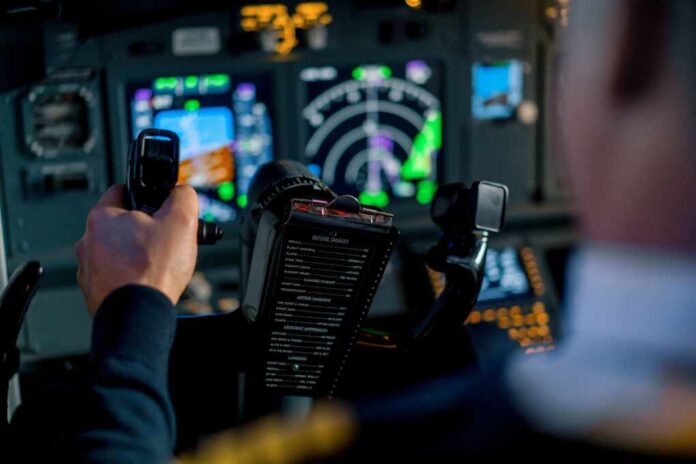
Joseph Emerson’s attempt to pull engine fire suppression handles on October 22, 2023, could have resulted in mass casualties aboard the Horizon Air flight from Everett, Washington to San Francisco. The former Alaska Airlines pilot, sitting in the cockpit jump seat reserved for off-duty crew, tried to cut fuel to both engines while over 80 passengers traveled below. Only the quick thinking of the flight crew prevented what could have been a tragic disaster, forcing an emergency diversion to Portland, Oregon.
Watch; Ex-Alaska Airlines pilot who forced emergency landing while on mushrooms pleads guilty
Drug Use and Sleep Deprivation Create Perfect Storm
Emerson had consumed psilocybin mushrooms two days before the flight and hadn’t slept for over 40 hours, creating a dangerous combination that impaired his judgment. The pilot later claimed he believed he was dreaming and thought pulling the engine handles would “wake him up.” This disturbing rationale reveals how psychedelic substances can create prolonged effects that compromise decision-making abilities. The incident occurred while Emerson was grieving a friend’s death, highlighting how personal crises combined with drug use pose serious safety risks in aviation.
Former pilot who tried to cut off engines during flight after taking magic mushrooms pleads guilty
Joseph Emerson was not a pilot on the Horizon Airlines jet but was sitting in a jump seat in the cockpit. He said he had taken magic mushrooms before the incident. pic.twitter.com/T5Li3ksgc8— Veteran Indian Air Force (@Symbolis) September 6, 2025
Lenient Sentence Fails to Match Severity of Crime
Despite endangering 83 lives, Emerson received what many consider an inadequate punishment in September 2025. His plea agreement resulted in five years’ probation, 664 hours of community service, and $60,000 restitution rather than significant prison time. The former pilot pleaded guilty to federal charges of interfering with a flight crew and no contest to state charges including 83 counts of reckless endangerment. Victims expressed dissatisfaction with the lenient terms, arguing the sentence fails to reflect the potential catastrophic consequences of his actions.
Aviation Safety Protocols Under Scrutiny
This incident exposes critical weaknesses in aviation safety systems that allowed a drug-impaired individual access to critical flight controls. The case raises serious questions about cockpit jump seat privileges and whether current mental health screening procedures adequately protect passengers from unstable crew members. Aviation experts warn this incident could have paralleled the 2015 Germanwings crash, where a pilot’s mental health crisis resulted in 150 deaths. The Federal Aviation Administration must reassess policies that grant cockpit access to off-duty personnel without rigorous real-time mental health evaluations.
Sources:
Ex-pilot accused of trying to cut passenger flight’s engines reaches plea deals, lawyer says
Former Alaska Airlines pilot who tried to shut down engines mid-flight pleads guilty
Former pilot who tried to shut off plane’s engines sentenced to probation