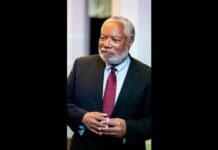
A private priestly blessing for Cristiano Ronaldo and Georgina Rodríguez at Fátima, moments after their civil wedding, has become a live test of the Vatican’s new rules on “pastoral” blessings.
Story Highlights
- Reports say Ronaldo and Rodríguez had a civil wedding, then received a priestly blessing at Fátima in a reserved chapel.
- The Vatican’s Fiducia Supplicans allows brief pastoral blessings for couples in “irregular” situations, but warns against any link to civil ceremonies.
- Coverage describes a quiet, non-public rite, with Mass attendance in a separate chapel after the blessing.
- The episode spotlights a broader church debate over blessings that must be pastoral, not marriage-like.
What Happened At Fátima
Portuguese outlets reported that Cristiano Ronaldo and Georgina Rodríguez wed in a civil ceremony in Cascais, then drove to the Shrine of Fátima for a priestly blessing in a reserved space. Another outlet described the blessing occurring on the same day, with the couple not in full wedding attire, and the bride in white. Italian reporting added that the pair later attended Mass in the Chapel of Our Lady of Sorrows after receiving a private blessing.
Spanish Catholic media framed the moment as “Fiducia Supplicans style,” meaning a short, simple prayer over the couple, not a marriage rite. Across the reports, details point to a private setting, without a public ritual. No outlet reported a formal church wedding ceremony. The central facts are the civil marriage, the immediate travel to Fátima, a priestly blessing in a reserved chapel, and participation in Mass afterward.
What Fiducia Supplicans Actually Allows
The Vatican’s December 2023 declaration Fiducia Supplicans permits ordained ministers to offer brief, spontaneous pastoral blessings to couples in “irregular” situations, while stressing that such blessings do not bless the union and must not resemble a wedding rite. The text gives a strict guardrail: to avoid confusion or scandal, these blessings should never occur in concurrence with civil union ceremonies, or even be connected to them in timing or form.
The Vatican’s guidance aims to offer mercy and prayer without changing doctrine on marriage. It rejects any ritual that looks like, or suggests, a wedding. It also discourages choreographed signs—like special clothing, set texts, rings exchanged, or church decorations—if they make the act look like a marriage ceremony. The goal is pastoral closeness to people seeking help, not official approval of their status.
Why This Case Draws Scrutiny
This case touches the exact stress point that the Vatican flagged: a blessing very close in time to a civil wedding, involving famous figures whose actions are amplified worldwide. Reports describe a private, simple blessing and later Mass, which fits the “pastoral, not liturgical” model. Yet the same-day timing after the civil wedding raises the core question Fiducia Supplicans tried to avoid: does proximity create the impression of a church-endorsed union, despite the policy’s red lines?
For many believers, the issue is not celebrity gossip. It is trust in rules that claim one thing and seem to allow another. People on the right see shifting lines that erode tradition. People on the left see care for real families that need prayer. Many in the middle see a system that overcomplicates simple needs. Clear guidance and steady practice will decide if this reform heals divides or adds to confusion within the Church.
Sources:
lifesitenews.com, vidanuevadigital.com, observador.pt, x.com, ilfattoquotidiano.it, press.vatican.va