
A U.S. jury convicted Huawei and three subsidiaries on sanctions, fraud, money laundering, and trade-secret charges after a three-month federal trial in New York.
Story Snapshot
- A federal jury in Brooklyn found Huawei and three subsidiaries guilty on multiple federal crimes.
- Convictions include Iran sanctions violations, bank and wire fraud, trade-secret conspiracy, and money laundering.
- The case spotlights how U.S. prosecutors target hidden ownership, cutouts, and bank misstatements in sanctions cases.
- Sentencing and potential fines could reshape supply chains and telecom deals tied to Huawei.
What The Jury Decided And Why It Matters
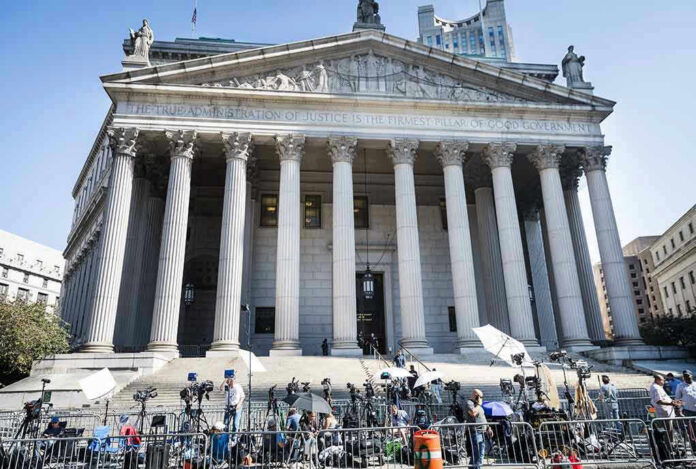
Federal jurors in the Eastern District of New York returned guilty verdicts against Huawei Technologies Co., Ltd. and three subsidiaries after a 12-week trial before Judge Ann M. Donnelly. Prosecutors said the companies worked with sanctioned partners in Iran, misled banks, and stole U.S. trade secrets. The jury convicted across several crime categories, confirming the government’s theory that these acts formed a coordinated pattern of misconduct over years. The verdict moves the case from allegation to criminal liability.
The Department of Justice listed nine conviction categories, including conspiracy to steal trade secrets, wire-fraud conspiracy, wire fraud, bank-fraud conspiracy, bank fraud, conspiracy to defraud the United States, conspiracy to violate the International Emergency Economic Powers Act, substantive International Emergency Economic Powers Act violations, and money-laundering conspiracy. Officials tied the conduct to dealings in Iran and to statements that led banks to process payments. The press materials did not assign each count to each entity.
How The Case Fits A Wider Sanctions Playbook
United States sanctions cases often hinge on layers of front companies, concealed control, and what firms tell banks, not just a single banned wire. Prosecutors said Huawei used a partner structure to hide Iran business and to coax banks into moving money. That approach mirrors other sanctions cases where the paper trail matters. When banks rely on false statements, fraud charges follow. When money moves through those lies, money-laundering theories apply. The jury’s verdict tracked that pattern.
The case is notable because it targets a major global telecom supplier at the crossing of national security and commerce. Criminal convictions of large foreign companies are rare, but not unheard of. This one spans technology, finance, and export control rules. That mix raises stakes for carriers, suppliers, and app makers that connect to Huawei gear. Companies that sell chips, software, or cloud services could face new compliance checks, paused orders, or contract rewrites while penalties are set.
What Comes Next For Penalties, Appeals, And Markets
Judges set corporate sentences after reports, filings, and arguments. Possible outcomes include fines, probation terms, compliance monitors, and limits on certain business lines. Forfeiture may follow if the court finds traceable proceeds. The Justice Department did not release dollar figures in the conviction notice, so the scale of financial penalties is not yet clear. Civil regulators and contracting agencies could also weigh actions that affect licenses and federal purchasing.
The jury did acquit on racketeering, the most serious charge, and Huawei says that vindicates it. Still, the FBI says the company's success was built on deception and theft, and a criminal conviction of a foreign corporation like this is rare.
Full story in today's Newslit…
— Newslit News (@newslit) November 25, 2026
Appeals can challenge legal rulings and trial steps but do not erase the verdict by default. While the government framed this as standard accountability, the ruling lands inside a tense United States–China tech rivalry. Many Americans across parties worry that powerful players bend rules while workers pay the price. This case shows prosecutors using existing laws to police banks, supply chains, and sensitive know-how. It also warns boardrooms: hidden ties and risky workarounds can bring criminal risk.
Sources:
thegatewaypundit.com, justice.gov