
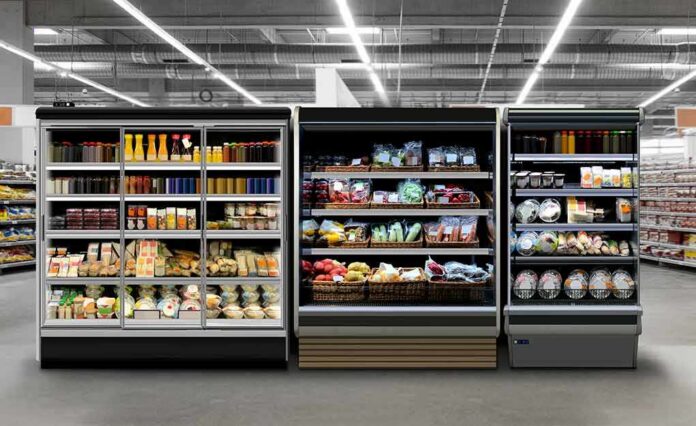
Temperatures in Swedish supermarket refrigerators reportedly jumped to oven-like levels overnight, forcing food waste and exposing how easy it can be to hijack systems that keep our food safe.
Story Snapshot
- One ICA store said its fridges were “hacked” to 50°C, while ICA headquarters did not confirm hacking.
- Coop said unauthorized actors tampered with cooling at a handful of stores, with six to seven affected reports varying.
- The incidents came weeks after France’s large refrigeration attack that raised temperatures in hundreds of stores.
- Reports link affected Swedish stores to an external control system from Danfoss, echoing the French case.
What Swedish Chains Reported About The Temperature Spikes
ICA said a limited number of its Swedish stores had an overnight incident that hit refrigeration and freezer systems. The company said it could not confirm a cyberattack caused the problem. One ICA store in Sjöbo posted that its units “had been hacked” and set to 50 degrees Celsius, and staff were throwing away food. That strong claim came from the store’s social media post, not a public forensic report. The national office repeated that it lacked proof of hacking.
Coop described a small number of affected stores and said unauthorized actors accessed and tampered with cooling systems. Reports differ between six and seven stores affected. The chain said systems either stopped working or were impaired. A spokesperson also said he had not yet received information confirming a cyberattack, which shows how early the facts still are. Both chains said work was underway to restore safe temperatures and protect customers.
Why The French Precedent Matters Technically
Weeks earlier, hundreds of French supermarkets saw remote changes to their refrigeration controls. Reports said attackers turned temperatures up, in some cases to around 50 degrees Celsius, and stores tossed food to protect safety. French officials and industry sources linked many affected systems to controllers from Danfoss and other brands. They also warned that weak passwords and exposed devices made these systems easy targets. That history makes a Swedish hacking theory plausible, though not proven.
In Sweden, a spokesperson said some affected ICA stores used an external control platform from Danfoss, the same supplier tied to the French event in coverage. That overlap suggests a possible shared weak point, like remote access or old software. It does not prove the same attacker or method. Reports do not identify who did this, what accounts or networks were used, or whether the activity spanned multiple chains by one group. Absent firm forensic details, links remain suggestive, not final.
What We Know—and What We Don’t—About Cause and Scale
Facts on the ground are uneven. One store’s Facebook post is the only direct source for the specific 50 degrees Celsius claim, and no sensor logs have been released. Coop’s public comments mix two threads: unauthorized tampering on the one hand, and caution about labeling it a cyberattack on the other. Counts also vary: some reports say six affected Coop stores; others say seven. ICA’s national office confirmed an incident but has not said how many locations or what precise systems failed.
Key gaps remain. No Swedish police case files or regulator findings have been published in the cited reports. No chain has shared entry paths, attack timing, or the exact commands used. That leaves room for multiple explanations, from malicious changes to controller error, defrost-mode misuse, or sensor failure. The French case shows remote manipulation can heat units fast. But investigators must still show who changed which settings, when, and from where to close the loop in Sweden.
Why This Hits Nerves About Trust, Food Safety, and “Critical” Tech
These events touch daily life. People expect safe food at stable prices. When freezers turn into heaters, families pay for waste through higher costs. Workers must toss good-looking food because safety rules demand it. The bigger worry is control. Many store systems now sit online for easy service, but that also opens doors for intruders. When essential tools go online without strong locks, the public ends up holding the bill and the risk.
When freezers become heaters, cyber risk becomes food risk. Suspected attacks disrupted supermarket refrigeration in five European countries; one Swedish store reported a 50°C setting. Who is behind it—and whether all incidents are linked—remains unconfirmed. pic.twitter.com/YTpdKMlFjT
— Migo (@ReiteConMig0) November 2, 2026
Both the left and the right see a pattern. Essential systems get connected first and secured later. Companies and vendors point fingers while customers lose trust. Governments promise oversight but move slowly. This is not about partisan fights. It is about basic competence and accountability. The fix is not mystery tech. It is simple steps: remove direct internet exposure, force strong passwords, check logs, and share facts after incidents so others can learn before the next hit.
Sources:
insiderpaper.com, rfi.fr, seattletimes.com, businessinsider.com, usnews.com, abc7.com, sandiegouniontribune.com, cphpost.dk