Russian drones crossing into NATO territory has triggered Article 4 consultations and President Trump’s stern “Here we go” response, marking the most dangerous escalation between Russia and the Western alliance since World War Two.
Story Highlights
- More than a dozen Russian drones violated Polish airspace, prompting NATO’s Article 4 emergency consultations
- President Trump issued his first reaction with “Here we go,” signaling serious concern over Russian aggression
- Polish Prime Minister called it the “closest we have been to open conflict since World War Two”
- NATO forces successfully intercepted multiple drones using F-16s, F-35s, and Patriot missile systems
Putin Tests NATO’s Red Lines
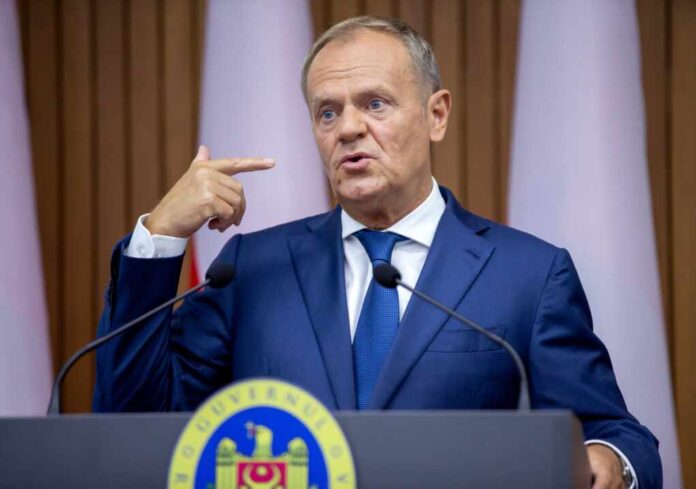
Russian forces launched more than a dozen drones into Polish airspace during a massive attack on Ukraine, marking the first large-scale violation of NATO territory since the conflict began. Polish Prime Minister Donald Tusk described the unprecedented breach as bringing Europe “the closest we have been to open conflict since World War Two.” The Kremlin’s decision to violate NATO airspace represents a dangerous escalation that directly challenges the alliance’s Article 5 collective defense guarantees and tests Western resolve under Trump’s leadership.
NATO forces responded swiftly with a coordinated defense operation involving Polish F-16s, Dutch F-35s, German Patriot systems, and Italian surveillance aircraft. The successful interception demonstrated NATO’s military readiness and technological superiority over Russian drone capabilities. However, the incident exposed vulnerabilities along the alliance’s eastern flank, where American taxpayers have funded billions in defense infrastructure to protect European allies from Russian aggression.
Watch: NATO Allies React Fiercely to Russian Drone Strikes on Poland
Trump Signals Strong Response
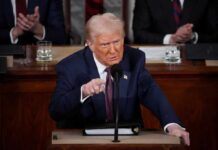
President Trump’s immediate “Here we go” reaction captured the gravity of Putin’s direct challenge to NATO sovereignty. Trump’s response emphasized American leadership in maintaining alliance unity while warning of serious consequences for continued Russian provocations. The President’s firm stance contrasts sharply with previous weak responses to Russian aggression and signals a return to peace through strength diplomacy that Putin understands.
The incident forced Poland to invoke NATO Article 4, triggering emergency consultations among alliance members for the first time during the Ukraine conflict. NATO Secretary-General Mark Rutte condemned Russia’s actions as “absolutely reckless and dangerous,” promising to “defend every inch of NATO territory.” This direct threat to NATO’s eastern flank validates conservative warnings about Russian expansionism and the need for robust American military deterrence.
Constitutional Security Implications
The drone incursion raises critical questions about America’s constitutional obligations under NATO Article 5 and the risks of being dragged into European conflicts. Trump’s measured response demonstrates his commitment to defending allies while avoiding the reckless interventionism that characterized previous administrations’ foreign policy disasters.
Russia’s violation of NATO airspace represents a calculated test of Western resolve under Trump’s leadership, with Putin gambling that alliance unity will crack under pressure. The successful NATO response sends a clear message that American military superiority and alliance coordination remain formidable deterrents to Russian expansion. However, the incident underscores the ongoing costs of defending European allies who have historically failed to meet their NATO spending obligations.
Sources:
Russia Tests NATO: Poland Drone Breach – Council on Foreign Relations
Poland Just Shot Down Russian Drones Over Its Territory – Atlantic Council
Russian Offensive Campaign Assessment – Institute for the Study of War