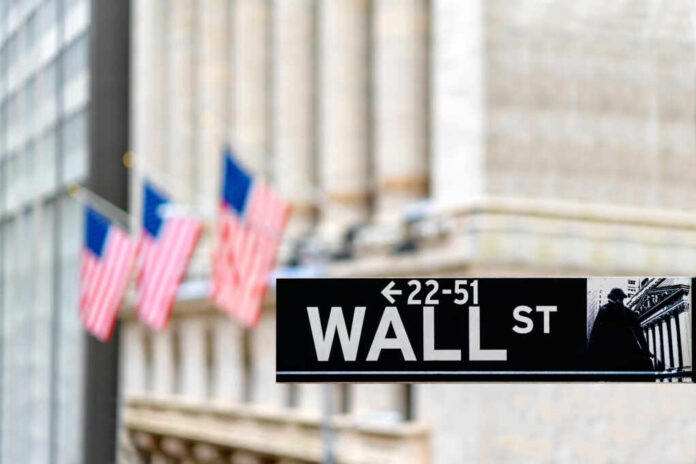
In a move that has shaken Wall Street and Main Street alike, the global stock market’s November plunge over AI bubble fears exposes the dangers of unchecked speculation and raises doubts about the wisdom of past economic policies that fueled runaway tech valuations.
Story Highlights
- AI-driven tech stocks crashed in early November 2025, erasing $500 billion in value in a single week.
- Professionals disagree on whether this is a bubble like the dot-com collapse or a justified tech revolution.
- Regulators warn of systemic risks, and central banks predict more volatility ahead.
- Conservative voices caution against reckless market optimism and government overreach that hurt average Americans.
AI Stock Frenzy Ends in Painful Reckoning
Global stock markets tumbled sharply in early November 2025, wiping out hundreds of billions in market value in just days. The selloff started as top US technology companies—Nvidia, Microsoft, Alphabet, and Amazon—saw their sky-high valuations collapse amid fears that the artificial intelligence (AI) sector had entered bubble territory. For years, investors and policymakers enabled this rally, often ignoring warning signs that echoed the dot-com bust. Now, Americans are left to deal with the fallout as retirement accounts shrink and economic uncertainty grows.
🇺🇸$730 Billion Wiped from U.S. Stock Market as AI Stocks Lead Global Sell-Off
⚡️November 5 — Wall Street suffered one of its sharpest single-day losses of the year on Wednesday, with more than $730 billion in market value erased as investors fled from overvalued artificial… pic.twitter.com/iqPscxki4L
— Real Global News (@FelastoryMedia) November 5, 2025
This latest correction followed months of relentless gains, especially in companies at the heart of the AI boom. Nvidia’s market capitalization alone soared by $1 trillion between July and October. Yet, as tech giants grew to dominate market indices, concerns mounted over whether these valuations reflected real earnings or were simply the product of speculative mania. The resulting crash did not just hit the United States—it reverberated around the world, exposing the risks of an economy overly dependent on a handful of tech behemoths.
Warnings Ignored: Regulators Raise the Alarm
Central banks and financial leaders issued repeated warnings in the days leading up to the crash. The Monetary Authority of Singapore and the IMF cautioned that excessive optimism about AI could set off sharp market corrections. Major US investment banks, including Goldman Sachs and Morgan Stanley, predicted a 10–20% decline in equities over the next year or two if overvaluation continued unchecked. Despite these alarms, the market’s enthusiasm for AI stocks drowned out voices of caution, leaving many everyday investors exposed as the tide turned.
As the sell-off accelerated, analysts and commentators drew comparisons to the infamous dot-com bubble of the late 1990s. Back then, unchecked speculation in internet companies wiped out trillions and pushed the country into recession. Many argue that while today’s AI leaders have real products and profits, the sheer scale and speed of their rise created unsustainable expectations. Conservative analysts point to these events as a cautionary tale against policies that encourage reckless speculation and ignore the fundamentals that drive real economic growth.
Ripple Effects Across the Economy and Conservative Concerns
The market correction’s impact is already being felt beyond the trading floor. Investors, including retirees and middle-class families, face losses in their portfolios. Tech sector employees worry about job security as companies reconsider hiring and expansion plans. Broader economic effects include reduced consumer confidence and the potential for a wider slowdown if the correction spreads. Conservative observers emphasize the dangers of government and central bank interventions that inflate asset bubbles, warning that such actions ultimately harm hardworking Americans who play by the rules.
As policymakers debate regulatory responses, many question whether more oversight or intervention will help or simply add fuel to the fire. The lesson for conservatives is clear: free markets must be grounded in reality, not hype. Policies that promote fiscal discipline, reduce government meddling, and protect individual investors will help restore trust and stability. The AI stock crash serves as a stark reminder of what happens when common sense is ignored in favor of utopian promises and speculative excess.
Divided: Bubble or Boom Supported by Innovation?
Not all analysts agree that the recent correction signals a full-blown bubble. Some point to strong earnings, genuine innovation, and real-world AI adoption as factors that differentiate today’s market from past manias. Others remain skeptical, warning that unrealistic expectations for future profits could still trigger deeper losses if sentiment shifts. Regardless of the outcome, this episode has reignited debate over how best to balance technological progress with financial responsibility—an issue that resonates deeply with Americans who value free enterprise, sound money, and limited government interference in the economy.
Watch the report: What Triggered The AI Stocks Sell-Off? I Why Global Stock Markets Fell Over AI Bubble Fears
Sources:
Bubble or boom? What to watch as risks grow amid record market rally
Artificial intelligence bubble: Dot-com, tulip mania?
This is how the AI bubble bursts
Why global stocks are not yet in a bubble