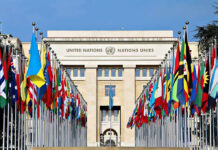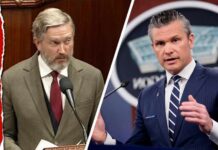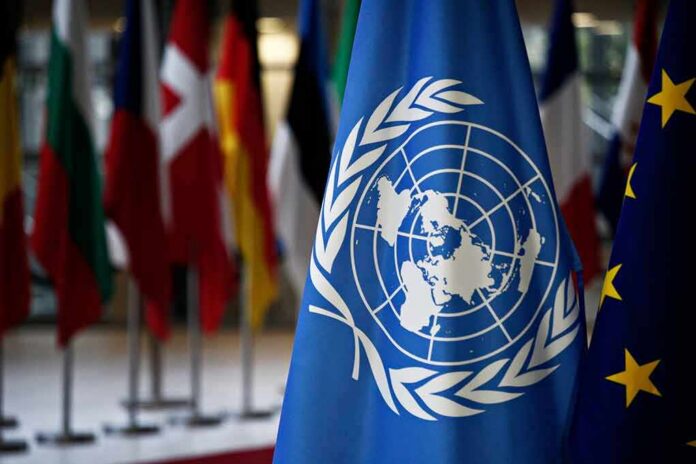
Argentina’s President Javier Milei used the United Nations stage to call the UN a “useless organization” and push a hard reset on its mission.
Story Snapshot
- Milei told world leaders the UN has drifted into ideology and bureaucracy, calling it “useless.”
- He blasted the UN’s 2030 Agenda and opposed new global rules he says override national sovereignty.
- He tied his critique to the Falklands/Malvinas dispute and urged a narrow peace-and-security focus.
- UN Charter backers point to the body’s core purpose: peace, cooperation, and human rights.
Milei’s Charge: From Peacekeeper to Supranational Manager
President Javier Milei told the United Nations General Assembly on September 23, 2026, that the UN “became a useless organization” that feeds a caste of bureaucrats. He argued the body now pushes a single way of life onto nations. Reports say he warned that the UN’s 2030 Agenda is ideological and socialist, not neutral policy. He urged states to resist top-down rules from global planners and to reclaim control over domestic choices.
Milei linked his criticism to a pattern he has pressed since 2024. In that earlier address, he said the UN drifted from core peace and security work into social engineering and regulatory activism. He argued this shift replaced national democracy with distant bureaucracy. He framed reform around four ideas: focus on peace, respect sovereignty, cut waste, and simplify rules. He said these steps would restore trust and stop mission creep across agencies and programs.
Flashpoint: The Falklands/Malvinas and Claims of Bias
Milei used the Falklands/Malvinas dispute to show what he called UN inconsistency. He accused the body of looking away from Argentina’s long-standing claim. He said its forums give speeches but avoid action. Reuters coverage shows he raised the issue as proof of a wider problem. He argued the UN talks about justice and law, then stalls on specific files that matter to member states. He cast this as failure, not neutrality.
Critics of his view answer that the UN is a meeting place, not a world government. They say complex disputes often sit in a zone where the Charter bars interference in domestic matters unless the Security Council acts. That design slows decisions but guards against abuse. Supporters of the Charter point to peace, cooperation, and human rights as guiding aims, not tools for control. They argue the framework still matters, even when outcomes are slow.
The Reform Debate: Do Less, Do It Better
News coverage of Milei’s plan describes a narrow mandate that centers on stopping wars and easing conflicts. He wants audits, consolidation, and fewer overlapping programs. He calls for simple, clear norms over vast rule books. He opposes new global rules on fast-moving tech, like artificial intelligence, that he argues would choke innovation and growth. His core message is simple: let nations compete, trade, and solve local problems without a heavy global hand.
Milei calls UN 'useless' in speech to General Assembly#UN #UNGeneralAssembly #Politics
See the whole story: https://t.co/iY7DQkcBAd
— Writ News (@WritNewsTweets) September 23, 2026
Outside voices, including policy analysts, accept that the UN’s legitimacy hinges on results. They argue bodies must show they can deliver public goods and be seen doing so. That view meets Milei partway on performance but rejects scrapping broad cooperation. It says the answer is better delivery, not exit. The deeper question remains: can a body built for peace also run sprawling agendas without losing trust from the people who never voted for it?
Why This Resonates Across U.S. Politics
American readers hear echoes here. Many conservatives see global bodies as costly, slow, and hostile to energy, borders, and local control. Many liberals see them as too weak to stop wars or protect rights. Both groups share a worry that elites make rules far from voters. Milei’s speech taps that shared fear. He claims the UN talks big, spends big, and shifts power upward. The fight is not just about Argentina. It is about who decides how we live and who pays for it.
What to Watch Next
Member states will now test how far reform can go. Watch for proposals to trim agencies, merge programs, and hard-cap budgets. Look for pushback from groups tied to UN funding streams. Track whether the General Assembly or the Security Council moves on the Falklands/Malvinas process. Finally, watch the United States. With President Trump in office and Republicans running Congress, Washington may press for a leaner UN that “does less and does it better,” aligning with calls for tighter mandates.
Sources:
insiderpaper.com, straitstimes.com, batimes.com.ar, globalbankingandfinance.com, americanrhetoric.com, ytscribe.com, zeitschrift-vereinte-nationen.de