President Trump’s direct ban on CNN, MS NOW, and Politico from the White House turns a long-running press fight into a full-blown test of power and access.
Story Snapshot
- Trump said the three outlets are banned for “fake news,” and framed it as immediate action.
- Free-press groups and the outlets say such a ban is unconstitutional retaliation.
- Reporters from the outlets were initially still on the grounds, showing confusion over enforcement.
- Past court fights over press access set the legal stage for what comes next.
What The President Announced And Why It Matters
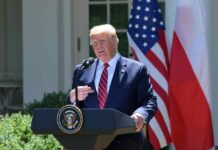
On September 18, 2026, President Trump said he is banning CNN, MS NOW, and Politico from the White House for “fake news,” and he cast the move as effective right away. He argued the outlets publish false and negative stories about him and Republicans. He also claimed Politico got $8 million from the prior administration, hinting at biased coverage, but did not provide records to back that charge. This raises urgent questions about press rights and government limits.
After the announcement, the outlets pushed back. CNN called the threatened ban an illegal attack on the right to report. Politico vowed to defend its First Amendment rights. MS NOW said its journalists were denied access and pledged to fight the move. Reuters reported free-speech experts saw the action as conflicting with constitutional protections, setting up a likely court clash over how the White House can manage access.
How Enforcement Looked On Day One
Initial reports showed mixed signals on the ground. The Associated Press and other outlets reported that journalists from the targeted organizations were still present at the White House at first, and there were no immediate signs of mass eviction. Forbes, however, reported MS NOW journalists were turned away after the announcement. The lack of a public rule change or formal directive made the scope unclear, including whether credentials, pool slots, or specific rooms were off limits.
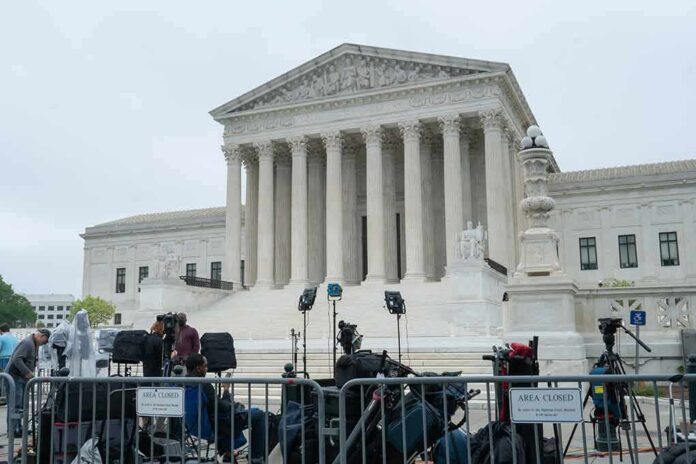
The confusion matters because process often decides these disputes. Courts have ruled that once the government opens a space to journalists, it cannot bar access based on viewpoint without clear standards and due process. A judge ordered the White House in 2025 to restore Associated Press access to the Oval Office and other spaces, citing First Amendment concerns. That case, and earlier fights over credentials, are likely to guide what happens here.
The Legal Track Record That Shapes This Fight
Past court rulings point both to limits and to discretion. In the Jim Acosta case, a federal judge found the White House violated due process by yanking a press pass without fair procedures, signaling that arbitrary actions can fail in court. In 2025, a judge ordered the White House to let Associated Press journalists back into high-profile spaces, stressing the government cannot shut doors because of viewpoint once access is open. These rulings pressure the White House to show clear, neutral rules.
At the same time, courts have recognized the government can set reasonable, content-neutral limits on who enters certain rooms and events. That means policies tied to space, security, or conduct may stand if applied evenly. The President’s latest move, however, targets entire outlets over alleged false reporting, without a public record of specific violations. That gap gives press-freedom advocates a strong opening claim that the action punishes speech rather than enforces neutral rules.
Why Both Sides Of The Aisle Feel This Hits A Nerve
Americans across the spectrum think powerful insiders protect their own interests. Many on the right see major outlets as biased and hostile, so they cheer efforts to call out errors or slant. Many on the left see this ban as a direct attack on press freedom that shields leaders from scrutiny. Both groups worry the rules are rigged, and that leaders change access to dodge tough questions. That shared concern grows when enforcement looks unclear or based on broad labels.
What comes next will shape trust. If the White House publishes clear standards, lists specific stories it deems false, and follows a fair process, it may argue it is policing accuracy, not punishing views. If not, courts may again rule that viewpoint-based bans are unconstitutional. Until then, the fight is less about one president and three outlets, and more about whether government can shut the door on critics without proving a rule was fairly and equally applied.
Sources:
nypost.com, abcnews4.com, aljazeera.com, latimes.com, cnbc.com, reuters.com, usatoday.com, yahoo.com