

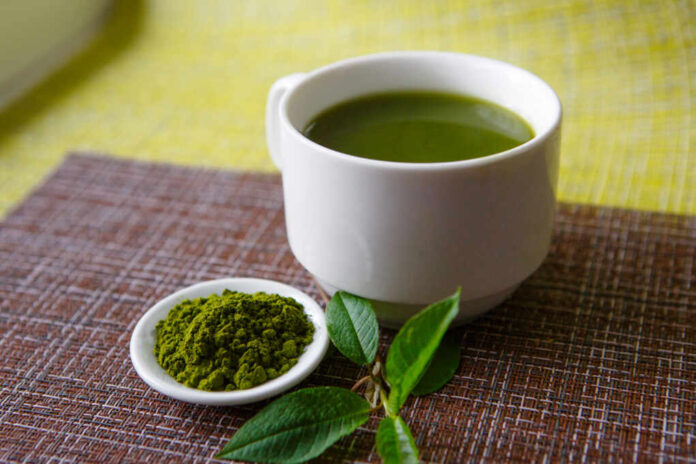
While Americans hope for common-sense solutions to health and obesity, scientists now tout “miracle” green tea beads—raising big questions about safety, truth in health claims, and whether this so-called breakthrough is just another distraction from real, lasting change.
Story Snapshot
- Researchers in China developed edible microbeads from green tea, vitamin E, and seaweed to bind fat in the gut and promote weight loss.
- Animal studies report significant weight loss with no observable side effects, unlike current drugs such as Ozempic or orlistat.
- Microbeads use only food-grade, FDA-approved ingredients and are now in early human trials, but proven results in people remain pending.
- Experts caution that animal results may not translate to humans; the full impact and safety still need to be confirmed.
Plant-Based Microbeads: A New Weight Loss Promise or Empty Hype?
Researchers at Sichuan University in China have announced a new dietary intervention: edible microbeads made from green tea polyphenols, vitamin E, and seaweed-derived polymers. These beads are designed to bind and trap fat in the gut, preventing its absorption and promoting its excretion. In rat studies, the microbeads resulted in a 17% reduction in body weight, improved liver health, and increased fat elimination—all without apparent side effects. Unlike pharmaceutical options, the microbeads are tasteless, safe, and can be inconspicuously added to foods and drinks, offering potential appeal to those wary of drugs or injections.
Obesity rates continue to rise in the U.S. and worldwide, driving ongoing demand for safe, effective weight-loss interventions. Traditional drugs like orlistat and GLP-1 agonists (Ozempic, Wegovy) can have harsh side effects, including digestive distress and even rare but serious organ damage. The new microbeads use only FDA-approved, food-grade ingredients, aiming to bypass the dangers posed by systemically-acting drugs by working solely within the gut. The beads’ composition and localized mechanism have been highlighted by researchers and covered by reputable science outlets, providing a solid scientific foundation for the concept. However, no prior plant-based, edible microbead using this mechanism has yet reached the stage of human trials before now.
Stakeholders and Scientific Scrutiny
The research was led by graduate student Yue Wu, bioengineer Junling Guo, and associate professor Yunxiang He at Sichuan University, with findings presented at the American Chemical Society. Food and nutraceutical companies are likely to become involved if the product moves to market. All ingredients are food grade and can be scaled up for mass production, according to the team. Still, the ultimate approval and oversight will fall to regulatory agencies like the FDA, especially if claims are made about disease prevention or treatment. Industry experts point to the safety advantage of local action in the gut versus systemic drugs, but some caution that animal studies do not guarantee human results, urging a wait-and-see approach until human trial data is available.
Critically, while these developments sound promising, the history of weight-loss solutions is littered with quick fixes that failed to deliver or led to unintended consequences. Americans have every right to be skeptical. This is especially true when health fads emerge from overseas research and are promoted with sweeping claims but limited peer-reviewed evidence in humans. The microbeads’ effectiveness and safety for people remain unproven until human trials are completed and published, and there are no guarantees these results will hold up under U.S. regulatory scrutiny or real-life dietary habits.
Watch: New Study Discovers Fat-Trapping Green Tea Beads for Safe Weight Loss!
What It Means for American Families and Consumers
If the microbeads prove safe and effective in people, they could offer a non-pharmaceutical, accessible tool for those who either cannot tolerate current drugs or reject the heavy hand of government and Big Pharma in healthcare. The beads’ ease of use—being tasteless and simple to add to foods—may appeal to busy families seeking practical solutions.
However, Americans must remain vigilant about untested health products, especially those heavily marketed as miracle cures. Regulatory debates are likely to arise over whether these microbeads should be classified as food or drugs, a distinction that will impact oversight, marketing, and liability. For now, the best course is cautious optimism, strict scrutiny, and prioritizing evidence-based health choices grounded in personal responsibility and constitutional protections for consumer safety.
In summary, while plant-based microbeads offer a potentially innovative, drug-free approach to weight loss, Americans should demand rigorous proof before embracing any new health trend. Until human trial results are known and U.S. agencies weigh in, skepticism—not quick adoption—best serves the interests of families, consumers, and the values of truth and transparency in healthcare.
Sources:
Plant-Based Microbeads: A Natural Alternative to Ozempic for Weight Loss (Green Queen)
Fat-Soaking Microbeads Could Be the Next Weight Loss Breakthrough (Earth.com)
Fat-Trapping Microbeads May Be the New Natural Drug-Free Weight Loss Revolution (Muscle & Fitness)
Boba-Like Edible Beads Trap Fats and May Promote Weight Loss (The Scientist)