
An aviation disaster over the Potomac River raises questions about air traffic protocols and national security.
Story Highlights
- American Airlines Flight 5342 collided with a U.S. Army helicopter.
- All 67 people aboard both aircraft were killed.
- The crash is under investigation, focusing on flight protocols and airspace management.
- First major U.S. commercial flight crash since 2009.
Tragic Collision Over the Potomac
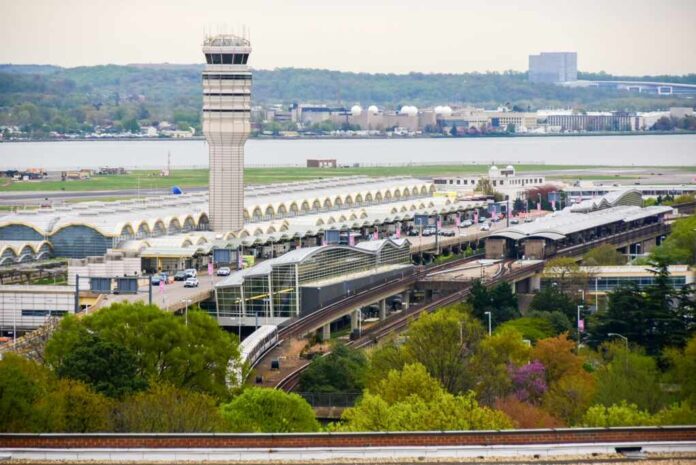
On January 29, 2025, American Airlines Flight 5342, operated by PSA Airlines as American Eagle, collided mid-air with a U.S. Army Sikorsky UH-60 Black Hawk helicopter over the Potomac River near Washington, D.C. The incident, which occurred during the airliner’s final approach to Reagan National Airport, resulted in the loss of all 67 lives aboard both aircraft. The National Transportation Safety Board (NTSB) has launched an investigation scrutinizing air traffic control procedures and potential violations of flight protocols.
In the immediate aftermath, emergency response teams were dispatched to the crash site. Despite their efforts, no survivors were found, and recovery operations were completed by the morning of January 30. The NTSB released a preliminary report on March 11, 2025, highlighting communication breakdowns and dangerously narrow vertical separation between the aircraft involved.
Watch: Tragedy above the Potomac: American Airlines Flight 5342
Complex Airspace and Historical Context
Reagan National Airport is known for its complex approach paths, exacerbated by restricted airspace and proximity to military operations. The Potomac River has been the site of previous aviation disasters, including the Air Florida Flight 90 crash in 1982. The current incident marks the first fatal accident involving the CRJ700 series and underscores the need for improved airspace management, particularly in areas with overlapping civilian and military operations.
The Black Hawk helicopter was conducting a standard military night vision goggle training flight, while both aircraft were under air traffic control guidance at the time of the collision. The NTSB’s preliminary findings indicate potential systemic issues, including ignored near-miss warnings and possible equipment failures such as altimeter discrepancies.
They will end up settling big time….
American Airlines accused of ‘running red lights’ before horrific Potomac River plane crash near DChttps://t.co/7lqbFL4Ybh— Elder Max (@Patriot9_11) September 25, 2025
Implications and Industry Response
The tragic loss of 67 lives and significant trauma experienced by the families and first responders has led to heightened scrutiny of air traffic control and military-civilian coordination. The incident may prompt a reevaluation of approach procedures and vertical separation standards at major airports, alongside potential changes to military training flight protocols in civilian airspace.
The aviation industry is likely to see increased investment in air traffic control technology and pilot training. Additionally, there may be renewed focus on cockpit technology and communication reliability, as well as congressional and regulatory hearings to address the broader implications for aviation safety.
Sources:
Wikipedia: 2025 Potomac River mid-air collision
Fox News: Military helicopter crash DC airport
ABC News: DC plane crash NTSB investigation