
America’s largest federal prosecutor’s office is led, for now, by a lawyer a judge said was serving unlawfully—and an appeals court just hit pause.
Story Snapshot
- A district judge found Bill Essayli was unlawfully acting as Los Angeles’s top federal prosecutor and barred him from two cases.
- The United States Court of Appeals for the Ninth Circuit paused that order, saying the government is likely to win on appeal.
- The fight centers on whether the Attorney General can delegate key powers after vacancy time limits run.
- The pause keeps Essayli in charge while the legal battle continues.
What the Trial Judge Ruled and Why It Mattered
On October 27, 2026, a federal judge ruled that Bill Essayli was unlawfully serving as a “de facto” United States Attorney in Los Angeles. The judge barred him from taking part in two criminal cases, United States v. Ramirez and United States v. Tran. Reports said the ruling turned on vacancy-law limits, not policy. The court found that after time limits expired, officials could not keep Essayli in charge of core decisions by shifting titles and delegations.
The order did not toss the underlying charges. It focused on who could supervise or make key calls in those prosecutions. That narrower remedy showed the court saw a legal defect but not case-ending harm. Still, the language was sharp. The judge said Essayli functioned as the top prosecutor without lawful authority. That sparked fast appeals, because the decision touched dozens of ongoing matters in the nation’s busiest federal district.
Why the Ninth Circuit Stepped In
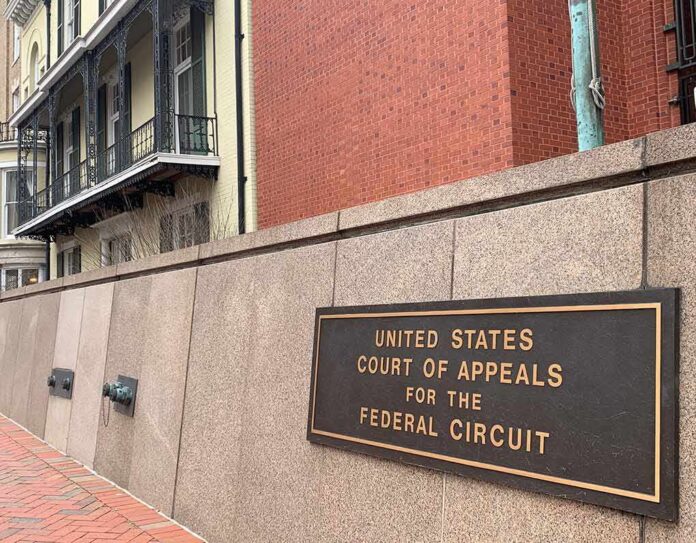
The United States Court of Appeals for the Ninth Circuit granted a stay that pauses the disqualification. The panel said the government is likely to succeed because Congress gave the Attorney General power to delegate the authority at issue. The court also said the revised delegation did not violate the Constitution or the Federal Vacancies Reform Act (FVRA). The stay keeps Essayli in charge while the appeal proceeds, which affects daily operations across many cases.
The government argued that the Attorney General could appoint Essayli as a Special Attorney and First Assistant and assign added duties under statutes like 28 U.S.C. sections 509, 510, 515, 542, and 543. It said those moves did not create a new office that needs Senate confirmation. Essayli’s earlier filings echoed that point and said he could supervise pending prosecutions even if his acting title was disputed.
The Legal Tension: Delegation vs. Time Limits
Recent Ninth Circuit cases drew lines on acting service after vacancies. In cases involving Nevada prosecutor Sigal Chattah, the court said the Federal Vacancies Reform Act’s “first assistant” rule applies only to the person who held that role when the vacancy began. Later redesignations cannot backfill the top office’s unique powers through simple delegation. That guidance gave defense lawyers a roadmap to challenge long-running workarounds.
The Ninth Circuit’s stay in the Essayli matter stressed a key difference. The panel said Essayli was not granted powers that only a Senate-confirmed United States Attorney can use, so he was not a “de facto” United States Attorney under its Jackson line of cases. That limits how far the district court’s logic can reach. It also signals that targeted delegations to Special Attorneys may survive, even if broader acting appointments would fail under vacancy rules.
Why This Strikes a Nerve Beyond the Courtroom
This battle hits core trust issues. People across the spectrum see leaders bending rules to keep power. Supporters of stricter vacancy limits worry that elites use legal tricks to dodge the Senate’s check. Others fear courts will hamstring prosecutors and let criminals walk on technicalities. Both sides see a system that serves insiders first. The pause lets business as usual continue, which many read as one more example of rules changing for those at the top.
Ninth Circuit keeps order disqualifying California prosecutor Bill Essayli on hold https://t.co/CkiHDTdwHn
— Ncnovembergrl ♐🇺🇲🐻🐎🐕🎠🏇✝️🇮🇱 (@ncnovembergrl) November 26, 2026
The next steps matter. The appeal will test how far delegation can go when a top job sits unfilled or time limits lapse. If the government wins, Attorneys General keep wide room to assign duties and avoid slow confirmations. If the defense wins, offices will face tighter guardrails and may need faster nominations or narrower chains of command. Either way, the case will shape who holds power, and for how long, when Washington fails to fill vital posts.
Sources:
thegatewaypundit.com, apnews.com, reuters.com, ocregister.com, democracydocket.com, thehill.com, latimes.com, news.bloomberglaw.com, lawandcrime.com, myrtlebeachonline.com