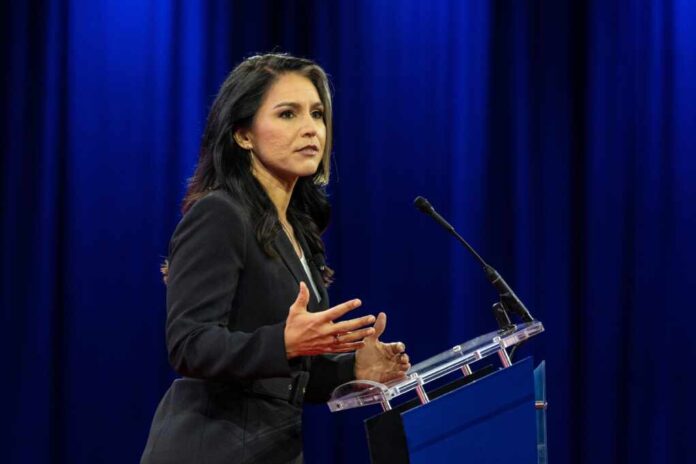
Tulsi Gabbard’s controversial confirmation as Director of National Intelligence sparks bipartisan outrage amid concerns over her qualifications and past foreign policy stances.
Story Snapshot
- Tulsi Gabbard confirmed as Director of National Intelligence despite bipartisan skepticism.
- Critics cite her lack of intelligence experience and controversial past statements.
- Appointment highlights deep partisan divisions and concerns about politicization of intelligence leadership.
Gabbard’s Controversial Confirmation
In a move that has captured national attention, Tulsi Gabbard was confirmed and sworn in as the Director of National Intelligence on February 12, 2025. Despite her military background, Gabbard’s lack of direct intelligence experience and her controversial foreign policy positions, such as her support for Edward Snowden and her criticism of NATO, drew significant bipartisan criticism. Her confirmation vote in the Senate was notably narrow, with only one Republican senator joining Democrats in opposition.
The nomination process for Gabbard was fraught with tension and skepticism. The Senate confirmation hearings, held in January 2025, were marked by intense questioning.
Skeptics, including Republican Senator Mitch McConnell and Democratic Senators Michael Bennet and Elissa Slotkin, voiced concerns about her preparedness and her past statements on sensitive foreign policy issues. The narrow confirmation vote of 52-48 reflects the deep divisions her nomination has stirred.
Watch: Gabbard accidentally outs undercover CIA agent in list of staff stripped of clearance
Skepticism and Bipartisan Concerns
The skepticism surrounding Gabbard’s appointment is not without precedent. Her past actions, including a controversial meeting with Syrian dictator Bashar al-Assad in 2017 and her open praise for Snowden, have long been points of contention. Critics argue that these actions demonstrate a lack of alignment with U.S. intelligence priorities. Gabbard’s comments regarding NATO and Russia’s invasion of Ukraine have only added fuel to the fire, causing lawmakers from both sides of the aisle to question her judgment.
Tulsi Gabbard Under Fire for Reportedly Revealing Undercover CIA Agent's Name on X: 'Sackable Offense' https://t.co/2tyOznRPV9
— Mediaite (@Mediaite) August 28, 2025
Supporters of Gabbard, however, point to her military service and outsider perspective as potential assets in the role of DNI. They argue that her unique viewpoint could bring necessary reforms to the intelligence community. Yet, the broader consensus suggests that her appointment may lead to increased politicization within the intelligence oversight framework, a concern that resonates deeply among conservative and liberal observers alike.
Watch: Tulsi Gabbard confirmed as Director of National Intelligence
Implications for National Security
The long-term implications of Gabbard’s confirmation remain to be seen, but immediate effects include increased scrutiny of her decisions and potential shifts in intelligence policy. Critics fear that her controversial viewpoints may lead to changes in surveillance authorities and whistleblower protections. This could erode trust within the intelligence community and among international allies. Gabbard has pledged to empower the intelligence community’s patriots, but her critics remain unconvinced of her ability to maintain the integrity of the office.
Moving forward, the politicization of intelligence leadership could set a concerning precedent for future nominations, particularly in sensitive national security roles. Stakeholders will be watching closely as Gabbard begins her tenure, with both supporters and critics eager to see how her controversial past and independent positions will influence her leadership as Director of National Intelligence.
Sources:
CBS News: Tulsi Gabbard Confirmation Vote in Senate
The 19th News: Tulsi Gabbard Confirmation Hearing
ABC News: Trump’s Controversial Cabinet Picks
NextGov: Gabbard’s Past Snowden Remarks