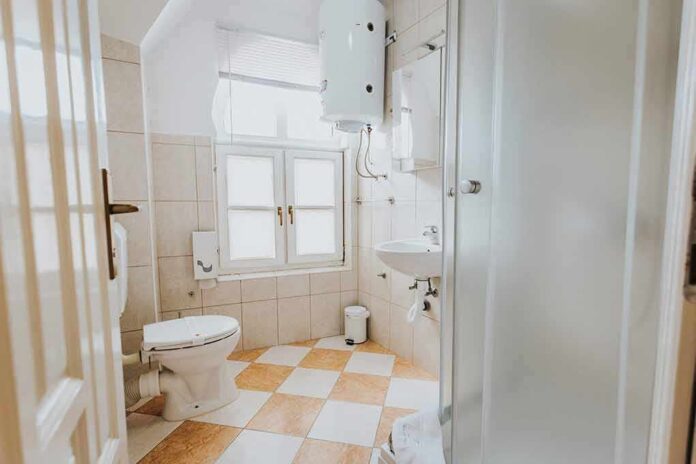
Berlin district rules now treat many second bathrooms and extra showers as “luxury” upgrades that can be blocked to keep rents down, spotlighting how deep housing control has become.
Story Snapshot
- Berlin districts can refuse second bathrooms, extra showers, and second toilets as luxury upgrades.
- Officials say the goal is to prevent rent hikes that could push current tenants out.
- Pankow uses a formal framework for “socially compatible” modernization, not ad hoc bans.
- Critics call the rules bureaucratic and say they block normal home improvements.
What Berlin Districts Are Blocking and Why It Matters
Berlin’s “social preservation” rules let districts stop upgrades seen as luxury if they may raise rents and displace tenants. Published criteria from the Neukölln district say they reject a second bathroom, second shower, or second toilet in units with up to three rooms, while allowing a first, basic bathroom and standard fixtures. Tenant guidance explains that districts can refuse high-end work, like second bathrooms or underfloor heating, when it would cause significant rent increases and push residents out.
Reports and district materials show Pankow applies the same idea: upgrades beyond the “contemporary standard of average apartments” face denial, and local coverage lists second bathrooms, guest toilets, underfloor heating, and a second balcony as examples often not approved. The line officials draw aims to keep homes functional but not “upscaled.” That can mean yes to a basic bathroom install, but no to adding an extra bath that could justify a big rent jump.
How Officials Link Bathroom Limits to Affordability
Berlin’s tenant association states the purpose clearly: prevent rent hikes that lead to displacement by blocking costly alterations, including second bathrooms. Public housing groups pair this control with affordability promises. One of Berlin’s major housing companies, HOWOGE, says it caps rent burdens as part of a “affordability promise,” signaling a broader system where modernization and rent stability are managed together. Supporters argue the rules slow investor-led “amenity creep” that prices out working families.
Pankow’s approach sits within a formal modernization framework rather than one-off decisions. A referenced agreement on “socially compatible modernization” in Pankow points to structured practices for weighing upgrades against tenant impacts. Local discussion describes criteria that set a “contemporary standard” benchmark, with examples to guide case officers. This structure is meant to produce consistent outcomes, though it still leaves room for tough calls on edge cases.
Critics See Micromanagement and Everyday Harm
Critics say the policy overshoots. English-language coverage and reader commentary frame the rules as blocking everyday comforts by labeling extra showers and a second toilet as “luxury.” One Berlin report described a denied request to widen a narrow bathroom because the building sat in a protected zone. Detractors call the system bureaucratic and arbitrary, arguing it chills normal investment and reduces quality of life for families who simply need more fixtures.
The record also shows limits. The compiled materials here do not include Pankow’s latest, specific 2026 order or a fresh permit memo spelling out a new restriction. The sources explain long-standing rules and give examples, but not a current district notice. There is also no hard data in this set proving that banning second bathrooms directly kept Pankow rents lower, which leaves open questions about measured impact versus intent.
Why Americans Should Care About a Berlin Bathroom Rule
This fight tracks with concerns many Americans share: who sets standards, who benefits, and who pays. When officials can deny a second shower to slow rent hikes, people see both a tenant shield and a state overreach. Conservatives may see a warning about heavy regulation throttling choice. Liberals may see a tool to fight displacement but worry about blunt rules that block practical upgrades for families. Both sides fear elites and bureaucracy call the shots while regular people get squeezed.
The core tradeoff is clear. Tight rules can slow rent inflation in hot neighborhoods. But rigid lines can also freeze homes at a middling standard and limit comfort for growing or multi-generational households. The fairest path would clarify exceptions for larger units, disability access, and clear cases of need, and publish fresh data on outcomes. Transparent criteria and proof of reduced displacement would help rebuild trust that the policy serves residents, not just the system.
Sources:
redstate.com, qz.com, berliner-mieterverein.de, wgf.berlin, renovationsberlin.com, bloomberg.com, pankower-allgemeine-zeitung.de, howoge.de