President Trump’s decision to deploy the National Guard to Memphis has ignited tensions as local officials question the necessity of federal intervention amid falling crime rates.
At a Glance
- President Trump announced Guard deployment to Memphis on September 12, 2025.
- Memphis Mayor Paul Young and Governor Bill Lee did not request federal assistance.
- Reported crime in Memphis dropped 44% in the past year; homicides declined nearly 30%
- Local officials and residents raise concerns about community trust and federal overreach.
Federal Order Sparks Local Pushback
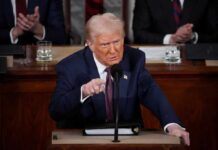
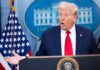
President Donald Trump confirmed the deployment of National Guard troops to Memphis on September 12, 2025, framing the move as part of a national strategy to combat violent crime. The decision, however, has stirred immediate pushback from local and state leaders.
Mayor Paul Young, while acknowledging the announcement, stated that his office had not requested federal intervention. He emphasized the need for more operational details before endorsing the measure. Tennessee Governor Bill Lee, a Republican, expressed appreciation for federal support but clarified that his administration is still working with Washington to finalize deployment plans.
Watch now: Trump announces plan to deploy National Guard to Memphis
The announcement has divided Memphis’s political and civic landscape. While some residents welcome the promise of enhanced security, others view the move as an unnecessary escalation that risks undermining community trust.
Falling Crime, Rising Debate
The timing of the deployment has drawn scrutiny because crime statistics in Memphis have shown a sharp decline. Reported incidents have dropped by 44% over the past year, and homicides have fallen by nearly 30%, according to local police data.
These numbers raise questions about the federal rationale. For some, the deployment recalls earlier controversies, such as the 2020 use of federal forces in Washington, D.C., where similar debates over militarization and community impact arose. Civil rights advocates in Memphis argue that the city’s progress in reducing crime suggests community-based strategies are working without federal interference.
In majority-Black neighborhoods, concerns are particularly strong. Residents worry that the presence of uniformed troops will heighten tensions with law enforcement and could deter cooperation in community safety programs.
Political and Economic Ripples
The Memphis deployment underscores a broader national debate about the boundaries of federal intervention in local policing. While federal officials argue that the Guard can provide stability and deter crime, local leaders warn of long-term damage to civil-military relations and constitutional norms.
Economically, questions remain about who will bear the financial costs of the operation and whether the sight of troops in city streets could impact Memphis’s image as a business and tourism hub. Community organizers fear a chilling effect on local engagement, while political observers see the deployment as a flashpoint in the 2026 midterm cycle, where crime and federal authority are expected to be central issues.
Sources