

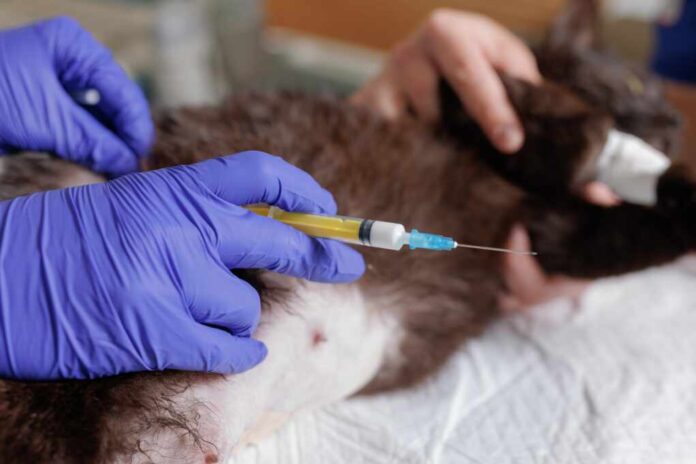
The illicit drug market is facing a dangerous new shift as Medetomidine, a potent veterinary sedative, is now frequently replacing Xylazine in street drugs. This combination, primarily mixed with fentanyl, dramatically increases the risk of overdose, complicates emergency reversals, and poses severe challenges to public health officials who must adapt quickly to this evolving and deadly crisis.
Story Highlights
- Medetomidine, a potent animal sedative, replaces xylazine in street drugs.
- The shift exacerbates fentanyl overdoses, complicating reversals and withdrawals.
- Enforcement pressures lead traffickers to find new, deadlier drug combinations.
- Public health specialists warn of unpredictable consequences.
Medetomidine’s Rise in the Illicit Drug Market
In recent years, the streets of Philadelphia have witnessed a dangerous shift in the illicit drug market. Medetomidine, a veterinary sedative far more potent than xylazine, is now frequently mixed with fentanyl. This combination has been detected in 87% of fentanyl samples, significantly raising the risk of overdose and making reversals more challenging for emergency responders.
Unlike xylazine, medetomidine does not cause skin necrosis but intensifies sedation and withdrawal symptoms, posing severe health threats. The drug’s pharmacological similarity to dexmedetomidine, used in hospitals, aids its production and distribution, further complicating control efforts. This shift is a direct consequence of law enforcement’s crackdown on xylazine, which traffickers have circumvented by introducing medetomidine into the market.
The potent animal sedative that’s replacing tranq in street drugs — and making fentanyl even more deadly https://t.co/T0lutJDdUO pic.twitter.com/xRwa4KQarl
— New York Post (@nypost) December 17, 2025
Implications for Public Health and Safety
The introduction of medetomidine into the drug supply is a growing concern for public health officials. The drug’s intense sedation effects and life-threatening withdrawal symptoms place a heavy burden on emergency medical services. Existing treatments like naloxone are less effective, and the absence of visible skin wounds makes identification and timely intervention more difficult. This calls for the urgent development of new testing methods and reversal protocols to address the evolving drug crisis.
Specialists emphasize the importance of not over-scheduling medetomidine to maintain hospital access for legitimate medical use. However, the unpredictable nature of drug supply shifts necessitates continuous monitoring and adaptable public health strategies to mitigate risks and protect communities from the escalating crisis.
The Broader Impact on Society
Medetomidine’s proliferation in the drug market reflects broader challenges in the ongoing opioid crisis. The drug’s presence has been confirmed in multiple U.S. cities, including Pittsburgh, Chicago, and San Francisco, highlighting the national scope of the issue. Economic and political pressures mount as law enforcement agencies face significant costs in combating the spread of such substances, and public health systems struggle under the weight of increased overdose cases.
The debate continues over the balance between enforcement and harm reduction, with advocates warning that overly restrictive measures could drive further innovation among traffickers, leading to even deadlier concoctions entering the market. Collaborative efforts between law enforcement, healthcare providers, and researchers are crucial to developing effective responses and saving lives.
Watch the report: Animal tranquilizer medetomidine showing up in Pittsburgh’s illegal drug supply, doctor says
Sources:
- Medetomidine: What you need to know about the new street drug taking over Philly.
- Xylazine Decline: New Drug in Philly — Medetomidine
- Medetomidine Replacing Xylazine in Fentanyl