

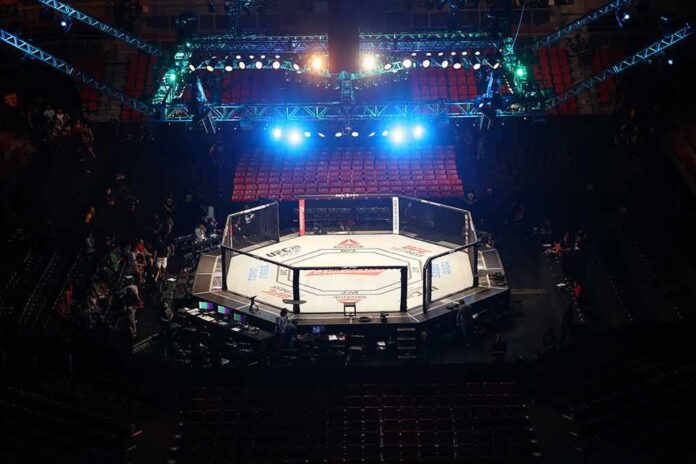
Netflix’s Ronda Rousey and Gina Carano spectacle shows how fast combat sports can turn into marketing-first nostalgia.
Quick Take
- Netflix framed the card as its first live mixed martial arts broadcast and centered the promotion on Ronda Rousey’s return [2].
- Preview coverage also highlighted Francis Ngannou and Nate Diaz, giving the event a stacked, name-driven lineup [1][2].
- Sportsbooks posted odds for the bout, showing that the market expected real interest in the matchup [1].
- The available research documents promotion and anticipation, but not a verified fight result or commission scorecard [1][2].
Netflix Sells a Comeback Story
Netflix’s official trailer presented the event as a historic live mixed martial arts broadcast and said Ronda Rousey was returning for her first fight in nearly a decade against Gina Carano [2]. That framing matters because it tells viewers exactly how the platform wants the bout understood: as a legacy event, not just another fight card. For conservatives tired of entertainment companies pushing narrative over substance, the promotional approach is familiar.
Contemporaneous coverage from CBS Sports described the show as a full mixed martial arts card with “numerous iconic figures” and placed the main event at the Intuit Dome in Inglewood, California [1]. The same reporting said the card included Francis Ngannou versus Philipe Lins and Nate Diaz versus Mike Perry, which helped make the broadcast feel bigger than a single comeback bout [1]. The mix of star names was clearly built to drive attention.
Odds and Promotion Drove the Conversation
Sportsbooks quickly became part of the story. CBS Sports reported odds of Rousey at minus 575 and Carano at plus 425, while another preview outlet leaned even harder toward Rousey as the favorite [1]. Odds do not prove fight quality, but they do show the event had enough public interest to attract real wagering. That kind of attention often reflects marketing power more than sporting merit, especially when famous names are involved.
Additional preview shows from mixed martial arts media reinforced the same theme. MMA Fighting and Sherdog both ran dedicated preview content, and Netflix also promoted a ceremonial weigh-in stream . The volume of buildup suggests the platform and combat-sports media treated the card as a major entertainment product. What the research does not provide is equally important: no official fight result, no scorecards, and no post-fight athletic commission record to measure whether the event lived up to the hype.
What the Record Does and Does Not Prove
The evidence package strongly supports one conclusion: the event was promoted as a milestone and sold through nostalgia, celebrity, and novelty [2]. It also supports a more cautious reading that the market expected a meaningful audience, given the odds and the stacked card [1]. But the record remains thin on competitive proof. The supplied sources document anticipation, not performance, and they do not show whether either fighter truly returned at a high level.
Ronda Rousey 🆚 Gina Carano
⏰ Start time
📺 How to watch
🤼♀️ Full fight card
❓ Prediction
💰 OddsPreview#RouseyCaranohttps://t.co/pBYRCnXh3m
— Standard Sport (@standardsport) May 16, 2026
That limitation should matter to viewers who want facts instead of hype. A platform can declare an event historic, and preview panels can talk it up for days, but none of that substitutes for actual results. The research here confirms that Rousey versus Carano was sold as a global spectacle with recognizable names and broad interest [1][2]. It does not confirm the comeback narrative beyond the promotional material itself.
Sources:
[1] Web – Rousey vs. Carano odds, predictions: 2026 Netflix MMA picks by …
[2] YouTube – Ronda Rousey vs. Gina Carano | Official Trailer | Netflix