An alleged attacker nearly targeted President Trump at the White House Correspondents’ Dinner, armed with guns, knives, and a manifesto parroting Democratic hate speech.
Story Snapshot
- 31-year-old Cole Toman Allen was intercepted with loaded weapons near Trump and officials at WHCA Dinner.
- White House Press Secretary Karoline Leavitt blames “left-wing cult of hatred” for inciting violence via anti-Trump rhetoric.
- Third attempt on Trump’s life ties directly to mainstream left demonization labeling him “fascist” or “Hitler.”
- Secret Service praised for stop but criticized for allowing suspect too close in media-heavy event.
Attempt at WHCA Dinner Thwarted
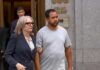
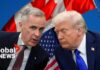
During Saturday’s White House Correspondents’ Association Dinner in Washington, D.C., a 31-year-old man identified as Cole Toman Allen was detained by Secret Service agents after approaching a secured area near former President Donald Trump and other officials. Authorities report that the suspect was carrying multiple weapons and written materials that are now under investigation. Law enforcement officials say the intervention occurred before any immediate threat could materialize. The White House Correspondents’ Dinner is a high-profile annual event attended by political leaders, journalists, and public figures, making security a top priority. The incident has prompted renewed scrutiny of safety protocols at large, media-heavy gatherings.
Leavitt Condemns Rhetoric Fueling Violence
White House Press Secretary Karoline Leavitt addressed the incident publicly, arguing that increasingly aggressive political rhetoric may be contributing to a more volatile environment. Leavitt stated that language portraying political opponents in extreme terms can create what she described as “permission structures” for dangerous behavior. She pointed to recurring descriptions of Trump in public discourse as evidence of escalating tensions.
While officials have not publicly confirmed a direct causal link between rhetoric and the suspect’s actions, investigators are reviewing written materials reportedly found in the suspect’s possession. Prosecutors have indicated that these materials could play a role in establishing intent, though no formal conclusions have been announced.
Pattern of Left-Wing Threats Emerges
The incident has fueled broader debate about the tone of political discourse in the United States. Commentators such as Kristin Tate argue that rising hostility in public debate increases the risk of real-world consequences. Others caution against drawing sweeping conclusions before the investigation is complete, emphasizing the need to distinguish individual actions from broader political movements. The discussion reflects a wider concern across the political spectrum: that increasingly polarized language may be deepening divisions and eroding trust in institutions.
The Left's Disturbing Reaction to a Would-Be Assassin https://t.co/aXU04rTzqi
— RealClearPolitics (@RCPolitics) May 1, 2026
Implications for Security and Discourse
In the short term, security measures at major public and political events are expected to tighten. The Secret Service response has been widely credited with preventing a potentially serious incident, though questions remain about how close the suspect was able to get. Longer term, the episode may influence both political messaging and media coverage. Supporters of Donald Trump point to the incident as evidence of ongoing threats, while critics stress the importance of avoiding escalation in rhetoric from all sides.
The attempted breach at the White House Correspondents’ Dinner highlights the intersection of political rhetoric, public safety, and institutional trust. As investigations continue, the incident is likely to remain part of a broader national conversation about how political disagreements are expressed—and the potential consequences when tensions run high.
Sources:
The Left’s Disturbing Reaction to a Would-Be Assassin
Leavitt blames ‘left-wing cult of hatred’ for WHCA Dinner shooting