A chilling knife attack in Taipei raises concerns about public safety and the effectiveness of current security measures.
Story Highlights
- A lone attacker in Taipei used smoke grenades and a knife, resulting in three deaths and multiple injuries.
- Authorities confirmed the attacker acted alone, dismissing fears of a broader conspiracy.
- The incident has prompted discussions on enhancing security measures at public transit hubs.
- Public health authorities manage potential HIV exposure risks due to the nature of the attack.
Taipei Attack: Details and Sequence of Events
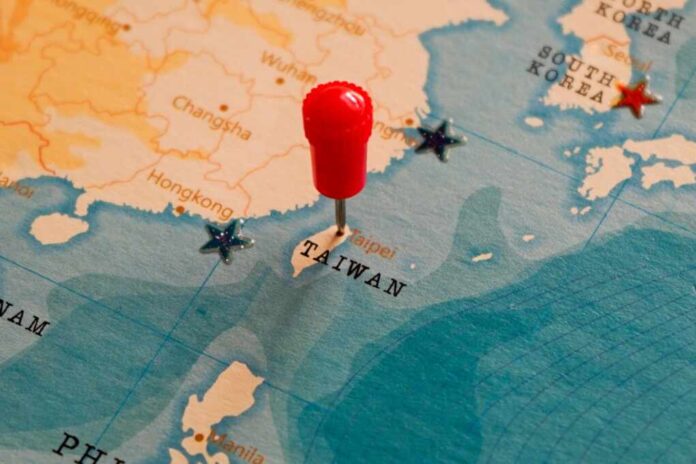
On December 19, 2025, Taipei was shaken by an incident of violence that resulted in three fatalities and eleven injuries. A man clad in black body armor and a gas mask launched an attack using smoke grenades and a long knife, targeting civilians near Taipei Main Station and Zhongshan Station. The attacker was confirmed to have acted alone, dismissing initial fears of a coordinated effort. This tragic event has drawn attention to the need for robust security measures in public spaces.
https://www.youtube.com/watch?v=NJMWuAYpDyg
Before the stabbings, the perpetrator set fires in the Zhongshan District and his own apartment building. This series of violent actions suggests a level of premeditation and tactical intent. The attack occurred during rush hour, maximizing its impact on both victims and the broader public. The use of smoke grenades in crowded areas added to the chaos, complicating the emergency response and highlighting vulnerabilities in public safety protocols.
Public Safety and Health Implications
The attack’s aftermath has led to increased police patrols and heightened security at major transport hubs and airports. Authorities are focused on understanding the attacker’s motives while ensuring public safety. In addition to the immediate physical threat, there is a public health dimension due to one victim being confirmed HIV-positive. Taiwan’s CDC has implemented a post-exposure counseling and prophylaxis program to manage potential health risks for those exposed to blood during the attack.
These health measures underscore the complexity of managing the fallout from such acts of violence, which extend beyond immediate physical harm to include potential long-term health implications. The incident has also reignited discussions on mental health, social isolation, and the effectiveness of current security frameworks in preventing similar attacks in the future.
Security and Policy Reactions
In response to the attack, there is a push for reviewing and possibly revamping security protocols at public transport hubs. This includes considerations for enhanced surveillance and response strategies to non-firearm mass attacks. The incident has also raised questions about the balance between civil liberties and preventive monitoring to deter potential threats.
Video: GRAPHIC WARNING: Taipei attacker acted alone, police say after three killed | REUTERS https://t.co/nF8k1C6pEj #LiveTube
— LiveTube Alerts (@livetubealerts) December 20, 2025
The broader implications of the attack are significant, affecting public confidence in safety measures and potentially shaping future security policies. As authorities continue to investigate the incident, the focus remains on preventing similar events and ensuring the safety and well-being of the public.
Sources:
2025 Taipei Stabbings – Wikipedia