
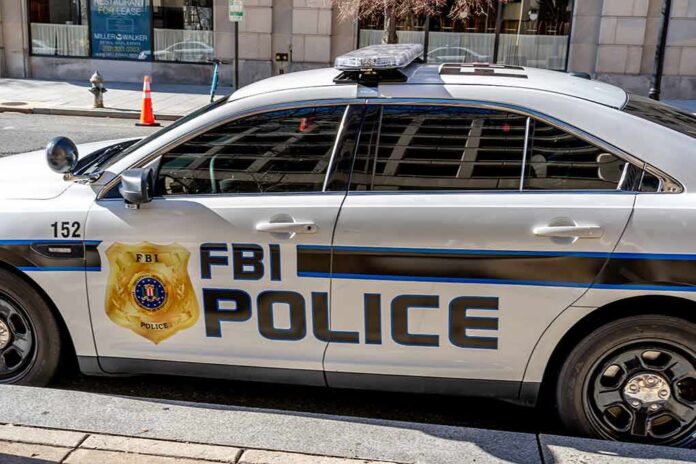
Federal agents arrested a California woman at Los Angeles International Airport on a charge that she acted as an unregistered agent for China after allegedly surveilling the Taiwanese president’s son in Seattle.
Story Snapshot
- FBI agents arrested Wanying “Heather” Zhang, 34, at Los Angeles International Airport on an unregistered-agent charge.
- Federal filings say Zhang gathered photos, videos, and license plates tied to a Taiwanese leader’s close relative in 2025.
- Reports identify the target as the son of Taiwan’s President Lai Ching-te, heightening diplomatic stakes.
- Officials say Zhang coordinated travel and used detection-avoidance methods while failing to notify the U.S. attorney general.
Arrest At Los Angeles International Airport And Core Charge
Federal Bureau of Investigation (FBI) agents arrested Wanying “Heather” Zhang, 34, of Irvine, at Los Angeles International Airport on October 4, 2026. The federal complaint charges her with acting as an unregistered agent of the People’s Republic of China. First Assistant U.S. Attorney Bill Essayli outlined the allegation publicly. Reports say agents took Zhang into custody before she boarded a flight to Shanghai. Authorities publicized the case on October 5, citing a filing made days earlier.
Prosecutors say federal law requires anyone acting at the direction or control of a foreign government to notify the U.S. attorney general. The complaint alleges Zhang did not do so. Officials tied the case to a 2025 trip, when Zhang allegedly gathered sensitive details about a Taiwanese leader’s family member in the Pacific Northwest. The charge focuses on failure to register, which is often used early in counterintelligence cases as investigators build broader evidence.
Alleged Surveillance Of A High-Profile Target In Seattle
Case summaries say Zhang traveled to Seattle in 2025 and conducted surveillance of a “close relative” of a Taiwanese government official. Reporting identifies the target as Ting-Yu Lai, the son of Taiwan’s President Lai Ching-te, a detail that raises the political and diplomatic impact. Accounts say Zhang sent photos, videos, and vehicle license plate information to Chinese contacts. The allegation centers on directed tasking by Chinese officials during that trip, according to summaries of the affidavit.
Coverage states that officials described steps that looked like tradecraft, not normal business travel. Reports say Zhang coordinated the trip with an associate and used methods to avoid detection. That alleged conduct, paired with the lack of required notice to the U.S. attorney general, forms the basis for the unregistered-agent charge. Media outlets also describe her as a real estate agent in Southern California, though her job is not the core of the criminal count.
Timing, Evidence Posture, And What Comes Next
Reports say agents arrested Zhang just before departure, suggesting a time-sensitive move to prevent her leaving the country. The public record relies on statements from federal officials and summaries of the complaint. The full affidavit text was not provided in those reports. As in many counterintelligence cases, early details come through complaints and press statements, with more evidence often appearing later in court filings and hearings as the case proceeds.
FBI ARRESTS CALIFORNIA WOMAN ACCUSED OF SPYING ON TAIWAN PRESIDENT’S SON FOR CHINA
The FBI has arrested a California woman accused of spying on the son of Taiwan’s President Lai Ching-te on behalf of Chinese officials.
Wanying Zhang, also known as Heather, 34, was arrested at… pic.twitter.com/7u49VM1GTV
— frontis (@frontisHQ) October 5, 2026
This case lands at the intersection of security and diplomacy. China claims Taiwan as its own, and Taiwan’s leadership is a frequent focus of pressure. Targeting a president’s family member on U.S. soil, if proven, crosses from geopolitical rivalry into domestic security. For most Americans, this sharpens a long-running concern: foreign services test our guardrails while Washington argues over turf and budgets. People on the left and the right see a government that often reacts late instead of getting ahead of threats.
Why It Matters For Ordinary Americans
Local communities expect safety and fairness, not spy games on their streets. This arrest highlights how foreign powers might watch, track, and pressure people here. Conservatives see proof that border controls, law enforcement, and energy behind national strength still matter. Liberals see the need to protect civil rights and stop abuses that target minorities and dissidents. Both sides share one ask: make the system work. Clear laws, quick action, and steady transparency build trust better than slogans.
What To Watch In The Legal Process
Next steps likely include an initial court appearance, possible detention arguments, and discovery. Prosecutors may move to protect sensitive sources and methods. Defense counsel will test the link between Zhang and alleged Chinese handlers. The unregistered-agent charge does not require proof of classified theft, but it does require proof of agency and direction. Court records, if unsealed or summarized later, should clarify communications, travel, and who tasked what, and when.
Sources:
aa.com.tr, ground.news, upi.com