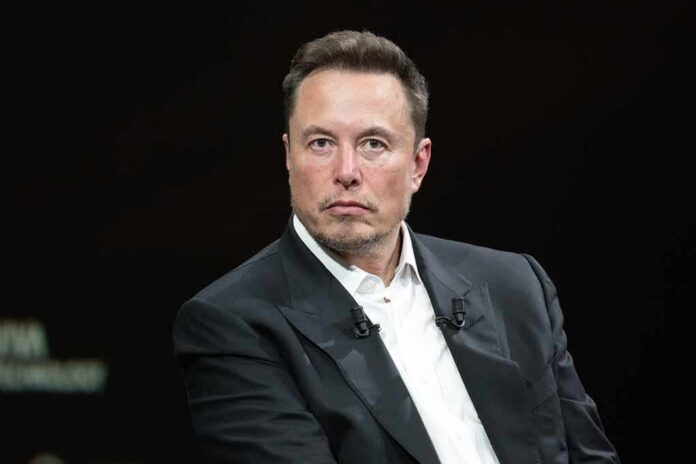
Four of the biggest social platforms reportedly blocked paid ads for a new Elon Musk documentary, citing “political content.”
Story Snapshot
- Reports say YouTube, TikTok, Instagram, and Facebook rejected paid trailer ads as “political.”
- Distributor Bleecker Street says the trailer promotes a film, not a campaign.
- Coverage says the trailer includes a 2024 rally shot and an election mention.
- Some reports say X also refused to run the ads or respond to outreach.
What platforms reportedly did and why it matters
Multiple outlets report that YouTube, TikTok, and Meta’s Instagram and Facebook declined to run paid ads for the trailer of Alex Gibney’s four-hour documentary “Musk,” telling the film’s distributor the ads were flagged for “political content.” The reports say this reasoning came through to Bleecker Street and was consistent with recent platform rules on political ads. These decisions matter because they limit paid reach for a mainstream documentary before its theater release.
Mediaite echoed that the companies pointed to political content in their responses, and summarized that the trailer contains a shot of a 2024 rally and a mention of the 2024 election. Those elements can trigger policy filters, even when the content is not a campaign ad. That dynamic has become common since companies tightened rules after past election scandals and pressure over misinformation and foreign meddling. The effect often sweeps in edge cases like documentaries.
What the distributor argues about the trailer
Bleecker Street told reporters the ads promote a movie, not a candidate or a ballot issue, and should not be treated as political advertising. The Hollywood Reporter framed the trailer as not fitting the campaign-ad category the policies aim to block, citing the limited political imagery described in coverage. This puts the dispute on a familiar fault line: platforms use broad rules to reduce risk, while creators say those rules overreach and chill normal cultural marketing.
The Daily Beast reported the distributor’s position plainly: the trailer is standard documentary promotion and includes common news footage, not advocacy or a call to vote. That claim tracks with many past fights where filmmakers and nonprofits hit policy tripwires for using words, images, or dates tied to elections. The lack of public, written rejection notices leaves room for doubt about the exact policy sections used in each denial.
How the pattern fits recent platform policies
Startup Fortune reported that X also refused to run the ads and allegedly would not take the distributor’s calls, suggesting the issue was not limited to Meta and TikTok’s stated bans. That adds a twist because X is owned by Elon Musk, the film’s subject, which complicates public perception. Across platforms, broad “political” labels can block paid reach when content names elections, rallies, or public offices, even without telling people how to vote or which party to back.
🚨 BREAKING NEWS: Meta Reverses Stance On Musk Documentary Ads
Meta has announced it will run advertisements for Alex Gibney’s upcoming documentary about Elon Musk. This decision marks a reversal of the company’s previous stance on accepting such advertising. The move highlights… pic.twitter.com/H4bvzPK8z2
— Globenews (@newsglobeorg) September 26, 2026
This case shows why many users on the right and left feel the rules are written for the platforms’ safety first, not for the public’s access to information. Conservatives see favoritism and speech controls that hide content tied to powerful figures. Liberals see corporate gatekeepers reducing civic discourse and narrowing culture. Both sides see an opaque system, where a few companies decide what millions can easily find, with little clear recourse when a judgment call blocks paid visibility.
What we know, what we do not, and why trust is strained
The core facts in public view come from press reports that cite what Bleecker Street says platforms told them. Those accounts are consistent across several outlets and align with known policy trends on political advertising. What is missing are the exact written rejection notices and the full ad submissions. Without them, the public cannot verify which rules were invoked, whether a narrow edit would have passed, or if any platform offered a path to approval.
That gap fuels familiar doubts. People ask whether platforms lean on vague “political” labels to avoid hard calls, or to limit risk before the election season ramps. Others point to past controversies and argue the rules are applied unevenly. Whatever the reason, the outcome is the same: a major documentary loses paid reach during a key window, and the public gets one more example of why trust in gatekeepers — public and private — keeps falling.
Where this likely goes next
The distributor can pursue appeals, share the rejection records, or adjust the trailer to remove flagged elements. Any of those steps would test whether this is a fixable classification issue or a hard rule that treats any election reference as “political.” If the platforms release clearer guidance on edge cases like documentaries, that could help. Better transparency would not end conflict, but it would give citizens a fairer way to judge these calls.
Sources:
mediaite.com, hollywoodreporter.com, turkiyetoday.com, gizmodo.com