Cracker Barrel’s swift reversal of their logo redesign highlights the power of public backlash in the cultural and political landscape.
Story Snapshot
- Cracker Barrel reverts to old logo after conservative backlash.
- Former President Trump played a key role in the reversal.
- The company’s attempt to modernize faced strong resistance.
- Incident underscores cultural and political polarization impacts.
Cracker Barrel’s Logo Controversy
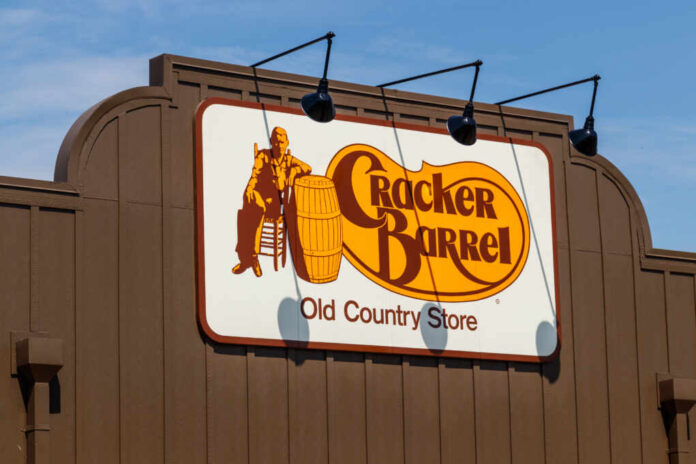
In early August 2025, Cracker Barrel unveiled a new minimalist logo, replacing its beloved “Old Timer” design. The change aimed to modernize the brand and attract a broader audience. However, the redesign quickly faced backlash, particularly from conservative customers and commentators who perceived it as a politically motivated departure from tradition. The uproar was amplified by social media and conservative media outlets, turning a branding decision into a cultural flashpoint.
Former President Donald Trump’s involvement magnified the backlash, as he publicly called for the return of the original logo, citing it as an essential part of American nostalgia and tradition. His intervention underscored how deeply intertwined politics and corporate branding have become. In response to the mounting pressure, Cracker Barrel announced on August 27, 2025, that it would restore the original logo, a decision that was seen as a victory for traditionalists and a testament to the influence of vocal customer segments.
Cracker Barrel removes DEI and Pride pages from its website amid MAGA logo backlash https://t.co/s1UnVZjYYo
— Ehud the Judge (@NickyAlbertCook) August 29, 2025
The Role of Political and Public Pressure
The incident highlights the significant role that political figures and public sentiment can play in corporate decisions. Cracker Barrel’s swift reversal demonstrates the power of a mobilized customer base and influential political voices. The company’s leadership faced considerable pressure to prioritize brand stability over modernization, illustrating the delicate balance businesses must navigate in a polarized cultural environment.
The branding controversy also reflects broader societal debates about tradition versus modernization. While Cracker Barrel aimed to appeal to new demographics, it risked alienating its core customer base, which values nostalgic elements deeply embedded in the brand’s identity. This incident serves as a cautionary tale for other companies considering rebranding efforts, especially those with culturally significant imagery.
Watch: Cracker Barrel returns to its old logo after backlash | LiveNOW from FOX
Implications for the Industry
Cracker Barrel’s experience may deter similar companies from pursuing rebranding without thorough stakeholder engagement. The swift backlash and subsequent reversal could lead to a more cautious approach among brands with longstanding imagery. Additionally, the episode may embolden political actors to intervene in corporate branding disputes, further politicizing design decisions.
While Cracker Barrel’s decision to revert its logo appeased its traditional customer base, it also raised questions about the risks and rewards of attempting to modernize legacy brands. Companies may need to weigh potential backlash against the benefits of appealing to new audiences, particularly in a highly charged political climate where every decision is scrutinized through a cultural lens.
Sources:
Cracker Barrel to Return Old Logo After Backlash
Cracker Barrel Rebrand Logo 2025