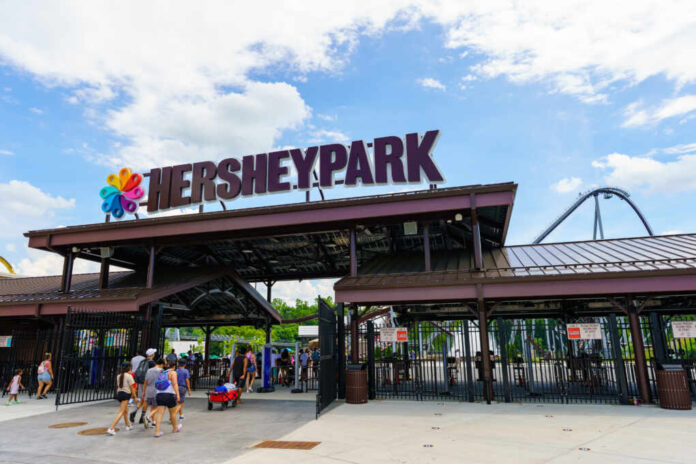
A young boy was spotted walking alone on a closed, elevated monorail track at Hersheypark, exposing major safety failures just weeks after another child-related incident.
At a Glance
- A child accessed a closed monorail track despite chained entrances
- A bystander climbed onto the track to rescue the boy from a 20-foot drop
- The incident occurred one month after a child fatality at the same park
- Hersheypark claims the ride was properly secured at the time
- The event has raised questions about amusement park safety protocols
Security Lapses Exposed in Near-Tragedy
Panic erupted at Hersheypark on Saturday evening after guests spotted a young boy walking alone along the Capital BlueCross Monorail track, more than 20 feet above ground. The ride was officially closed, its entrances chained and turnstiles barricaded. Yet the boy somehow breached all barriers and accessed the elevated track—an alarming failure of what should have been secure infrastructure.
The boy had reportedly become separated from his family just after 5:00 p.m., setting off a frantic search. Within 20 minutes, parkgoers saw him walking on the suspended railway, triggering widespread concern. This incident has laid bare potential gaps in Hersheypark’s security protocols, particularly around safeguarding restricted zones from unauthorized access—even by small children.
Watch now: Dramatic Rescue of Child from Hersheypark Monorail
The fact that a young child could so easily overcome multiple safety measures is now central to ongoing scrutiny. While the park emphasized that all proper procedures were in place, this statement fails to explain how those same barriers proved ineffective during a real-life test.
Guest Intervention Averts Disaster
As the crowd watched helplessly, a heroic bystander climbed up to the track and rescued the child, assisted by another guest. The boy, who was moments from a potentially fatal fall, was safely carried down and reunited with his parents before 5:30 p.m. Hersheypark issued a public thank-you to the guests who intervened, but the praise has done little to deflect criticism over why their intervention was even necessary.
Observers argue that such a rescue should never have been required had proper safety protocols worked as designed. Critics note that this was not just a rare oversight—it was a fundamental system failure that forced ordinary citizens into life-saving roles.
Safety Under Fire After Repeated Incidents
This event follows the recent drowning of a 9-year-old girl in Hersheypark’s wave pool—an incident that marked the first guest fatality in the park’s 119-year history. The back-to-back nature of these child-related emergencies raises serious alarms for both guests and regulators. Hersheypark now finds itself under the microscope, with demands for a comprehensive safety audit and potential regulatory review.
The viral video of the monorail rescue has reignited debate over safety in amusement parks. As footage spreads, public confidence in Hersheypark’s ability to protect young visitors is eroding. For an establishment marketed as a safe, family-centric destination, these failures may carry long-term reputational and operational consequences.
Other amusement parks across the country are likely watching closely, bracing for broader regulatory impacts as scrutiny expands. If change doesn’t come from within, external oversight may soon be imposed in the wake of these high-profile safety lapses.
Sources