Pennsylvania officials say millions meant for fragile patients were siphoned off through fake home care and behavioral health claims, raising hard questions about who is really watching the Medicaid money.
Story Snapshot
- State and federal prosecutors describe repeated schemes where providers billed Medicaid for care that never happened.
- Recent Pennsylvania cases span home care, behavioral health services for children, and multi-defendant conspiracies involving tens of millions of dollars.
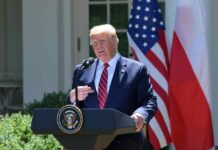
- Trump administration officials highlight these prosecutions as part of a broader push to crack down on health care fraud.
- Pennsylvania’s own oversight systems show the state expects fraud, yet the public still cannot see how widespread the problem is.
Major fraud cases show money meant for care never reached patients
Pennsylvania federal prosecutors have charged several home care schemes where Medicaid was billed for services that were never provided, draining more than a million dollars in one case alone. In Montgomery County, state prosecutors say a home care company and its office manager led a $1.76 million fraud, sending in personal care claims they knew were fake. Eighteen people have already pleaded guilty in that scheme, which ran between 2020 and 2023 and targeted a program meant to help seniors and disabled residents remain at home.
Another federal case in Bucks County alleges a home care company used the state’s electronic visit system to lie about visits. Prosecutors say owners and managers phoned in “verification” calls claiming they were with clients, even though they were somewhere else. The company then billed Medicaid and a managed care plan for those phantom hours. These stories match a familiar pattern: in home-based services, it is easy to type in time and hard for busy families and overworked caseworkers to check every claim.
Conspiracies and behavioral health fraud widen the picture
While many cases involve small agencies or single workers, some indictments reveal much larger networks. A federal grand jury charged twelve people in a years-long conspiracy that defrauded the Pennsylvania Medicaid home care program and pulled in more than $87 million in payments. Prosecutors say the group used fake employees, false audit documents, and claims for people who were hospitalized or even deceased. This kind of organized scheme looks less like a one-off mistake and more like a business model built on cheating a program meant for the poor and sick.
The record is not limited to personal care. Justice Department case summaries show that in one recent Pennsylvania matter, a provider allegedly billed for behavioral specialist services for children that were never delivered in schools or community settings. Federal officials say that scheme cost the state Medical Assistance program nearly $10,000 in just one case. Together, these examples tell parents and taxpayers something they already suspect: when government systems are complex and opaque, some players will figure out how to work the angles and bill for help that children and vulnerable adults never receive.
Oversight systems exist, but the public cannot see how well they work
Pennsylvania’s Department of Human Services openly acknowledges the risk of fraud and has built an entire Bureau of Program Integrity around policing it. The state says it runs prepayment and post-payment reviews to check whether services were actually provided and billed correctly, and it can recover improper payments or cut off problem providers. Officials also promote fraud tip hotlines and self-audit rules, inviting both whistleblowers and companies to report what went wrong and pay back the money.
The Attorney General’s Office describes a busy Medicaid Fraud Control Section that prosecutes unlawful billing and failure to provide promised services. Recent statewide sweeps have brought dozens of arrests and tens of millions in recouped funds, and Pennsylvania now touts leading the nation in fraud charges and convictions. That may sound like success, but it raises a deeper question for both conservatives and liberals: if enforcement numbers are this high year after year, how much fraud is still slipping through the cracks in a system that spends billions?
Why this fight taps into wider frustration with government
For many citizens, these fraud stories feel like proof of something bigger they already believe—that the people running big programs in Harrisburg and Washington care more about budgets and headlines than about protecting taxpayers and fragile patients. Conservatives who worry about government waste see millions lost to fake home care hours and say this is exactly why spending keeps growing while families struggle to afford basics. Liberals who worry about inequality look at money meant for low-income seniors and children being stolen and ask why oversight did not stop it sooner.
🚨 Dr. Oz Says Pennsylvania's Medicaid Data Points to Widespread Fraud.
Dr. Oz says newly reviewed Medicaid billing data in Pennsylvania raises major red flags.
According to Oz:
➡️ More than 96% of personal care claims are listed as "illness unspecified," making it nearly… pic.twitter.com/IccAjc6Z7T
— LindellTV (@RealLindellTV) August 4, 2026
Trump administration officials now point to these Pennsylvania cases as part of a national crackdown on health care fraud, expanding strike forces and promising tougher enforcement. Yet the public record in Pennsylvania is still case-by-case, not a clear statewide map of the problem. There is no open data showing how many claims were reviewed, how many bad providers were blocked before they billed, or how much fraud might still be hidden in hospice or other services. That gap feeds a shared worry across party lines: when only the worst schemes make the news, ordinary people cannot tell whether the system is being cleaned up or just patched after each scandal.
Sources:
youtube.com, justice.gov, pa.gov, attorneygeneral.gov, thefederalist.com, oig.hhs.gov