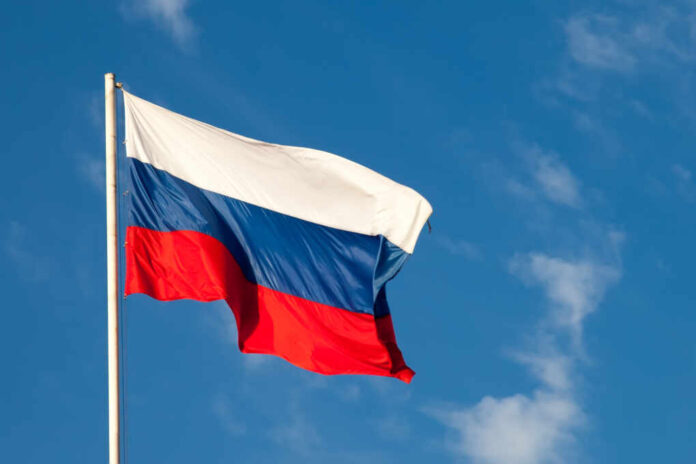
The recent decision by Russia to end its moratorium on intermediate-range nuclear missiles signals a potential escalation in global tensions, challenging U.S. strategic interests and allies.
Story Overview
- Russia ends its self-imposed freeze on deploying intermediate-range missiles, citing U.S. actions.
- This development follows the 2019 U.S. withdrawal from the INF Treaty.
- Increased risk of missile deployments in Europe and Asia raises global security concerns.
- The move is seen as a response to U.S. military actions and diplomatic tensions over Ukraine.
Russia’s Strategic Shift
On August 5, 2025, Russia announced it would no longer adhere to its self-imposed moratorium on deploying intermediate-range nuclear missiles. This decision comes as a direct response to what Russia perceives as aggressive U.S. and allied military actions, including the deployment of similar weapons in Europe and Asia. This development marks a significant shift in the geopolitical landscape, reminiscent of Cold War tensions.
Russia NO LONGER bound by self-restrictions on deployment of intermediate and short-range missiles — Foreign Ministry
'West's build-up of destabilizing missile potentials create a direct threat to security of our country'
VIDEO: Russia’s Oreshnik hitting its targets pic.twitter.com/IVeaBN1VPZ
— RT (@RT_com) August 4, 2025
Background and Historical Context
The Intermediate-Range Nuclear Forces (INF) Treaty, signed in 1987 between the U.S. and USSR, was pivotal in eliminating an entire class of nuclear and conventional missiles in Europe. However, the U.S. withdrew from the treaty in 2019, accusing Russia of violations, particularly concerning the 9M729 missile development. In response, Russia imposed a moratorium on new deployments, which has now been lifted amid escalating tensions.
Russia’s decision comes amidst ongoing conflict in Ukraine and increased NATO military activity, signaling a potential new arms race. The U.S.’s recent military moves, including the deployment of nuclear submarines closer to Russia, have further strained relations, prompting Russia to abandon its moratorium.
Watch: Russia Scraps Missile Moratorium After US Repositions Nuclear Submarines
Implications for Global Security
The end of Russia’s moratorium raises significant concerns about potential missile deployments in Europe and Asia, increasing the risk of miscalculation and military conflict. NATO and Asian allies express heightened anxiety as the threat of a renewed arms race looms. The situation undermines existing arms control frameworks and could lead to increased nuclear proliferation as other states seek to bolster their defenses.
The broader implications of this decision include increased defense spending, potential political polarization within NATO, and the resurgence of anti-nuclear movements. The defense industry might see a rise in procurement demands, but arms control organizations face new challenges in maintaining global peace and stability.
Sources:
The Hill: Russia ends moratorium on missile deployments
Official Russian MFA Statement
Carnegie Endowment for International Peace