
Russia’s proposed “air truce” with Ukraine is being widely criticized as a tactical ploy to dodge President Trump’s looming sanctions deadline.
Story Snapshot
- Putin is considering a pause on missile and drone strikes—an “air truce”—with Ukraine, but not a full ceasefire.
- Trump’s administration set a strict peace deadline, threatening tough secondary sanctions if Russia fails to de-escalate.
- Analysts warn the truce may give Russia time to regroup, rather than representing a genuine step toward peace.
- Ukraine is excluded from talks and skeptical of any partial concessions from Moscow.
Putin’s Air Truce Proposal: Limited Scope, Major Skepticism
Russian President Vladimir Putin is weighing a so-called “air truce” with Ukraine, which would temporarily halt long-range missile and drone attacks but leave ground offensives untouched. The Kremlin’s timing is no coincidence: this move comes as President Trump’s administration enforces an August 8 deadline for Russia to show progress toward peace or face sweeping new sanctions. While the Kremlin frames the truce as a gesture toward de-escalation, seasoned analysts and Ukrainian officials have dismissed it as a transparent effort for Russia to avoid immediate economic penalties and buy critical time for military regrouping.
Putin considers stopping Ukraine air attacks to placate Trump: reportshttps://t.co/4V68537BEv
— SonofLiberty357 (@SonofLiberty357) August 6, 2025
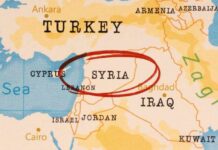
Unlike previous ceasefire proposals that sought comprehensive halts to hostilities, the current plan restricts itself to a pause in aerial attacks. The pattern is familiar: Russia has a track record of using partial ceasefires—both in Ukraine and in Syria—to regroup, resupply, and resume fighting with renewed force once international scrutiny wanes. As the proposal gains traction in Russian and Belarusian state media, its credibility is already undercut by the exclusion of Ukrainian negotiators from the talks and the lack of firm commitments beyond Moscow’s statements.
Watch: Russia-Ukraine War: Russia Mulls Air Truce With Ukraine
Trump’s Leverage and U.S. Diplomatic Pressure
With the threat of secondary sanctions hanging over Russia and its trading partners, the White House has made it clear that mere optics will not suffice. Trump’s lead envoy, Steve Witkoff—whose limited diplomatic experience has drawn scrutiny—met with Putin for high-level discussions, but no official ceasefire or binding agreement has been reached to date. While the Kremlin described the talks as “useful and constructive,” the U.S. side has not issued any formal comment, and Ukrainian President Zelensky has yet to be included in direct negotiations.
The looming deadline leaves Moscow with little room to maneuver: either offer a tangible de-escalation or risk economic isolation as the United States ramps up pressure. Still, the risk remains that a limited air truce, if accepted, could prompt the U.S. to delay or soften sanctions without achieving meaningful change on the battlefield—an outcome that would frustrate those demanding a tougher stance on authoritarian adversaries and questioning the wisdom of back-channel deals.
Strategic Implications for the War and Conservative Concerns
For Ukraine, the prospect of an “air truce” brings only temporary relief: any pause in missile and drone strikes could reduce civilian casualties in targeted cities, but if ground operations continue unchecked, the fundamental threat remains. Meanwhile, the energy markets and U.S. allies in Europe are closely watching developments. Secondary sanctions on Russia could disrupt global oil and gas flows, impacting American families already frustrated by years of inflation and supply chaos caused by previous administrations’ mismanagement.
Expert and Analyst Perspectives: Red Flags and Realities
The National Security Journal called it a “huge scam” that allows Russia to regroup militarily while robbing Ukraine of its most effective deterrence options. As of August 7, no agreement has been finalized, and the air truce remains under discussion. The lack of Ukrainian involvement, skepticism from independent experts, and the pattern of using limited truces as cover for regrouping all suggest caution. For Americans who value national security, constitutional strength, and principled foreign policy, the coming days will reveal whether this is a genuine path to peace—or just another geopolitical sleight of hand.
Sources:
The Telegraph: Putin mulls missile, drone truce as Trump envoy visits Moscow
Kyiv Independent: Russia considers air truce proposal to Trump without ending war, Bloomberg says