The nomination of Marine Corps Lt. Gen. Frank Donovan, a special operations veteran, to lead U.S. Southern Command marks a significant intensification of the military campaign against Venezuelan-linked drug cartels. This leadership change, coinciding with an escalating campaign of lethal maritime strikes, signals a dangerous shift toward undeclared warfare in Latin America, raising serious constitutional questions about presidential war powers and Congressional oversight.
Story Overview
- Trump nominates Lt. Gen. Frank Donovan, a special operations official, to replace Admiral Holsey, who retired early amid tensions
- The U.S. has conducted at least 28 lethal strikes on suspected drug boats since September, killing over 104 people
- Trump designated Venezuelan gang Tren de Aragua as a terrorist organization, claiming the U.S. is in “armed conflict” with cartels
- The House rejected measures to limit Trump’s authority for strikes or a potential Venezuela attack
Special Operations Commander Takes Charge Amid Escalating Operations
President Trump nominated Marine Corps Lt. Gen. Frank Donovan to lead U.S. Southern Command, replacing Admiral Alvin Holsey, who retired with two years remaining in his expected tenure. Donovan currently serves as vice commander of the U.S. Special Operations Command since September 2022, bringing extensive experience in precision strikes and irregular warfare to the Latin America-focused command. The timing of this leadership change coincides with an intensifying military campaign against drug cartels that has already claimed over 100 lives in just four months.
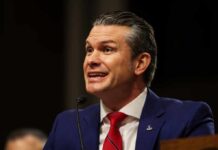
Admiral Holsey’s early departure raises serious questions about internal Pentagon tensions and the administration’s aggressive regional strategy. Reports indicate Defense Secretary Pete Hegseth was frustrated with SOUTHCOM’s approach and sought to “flex” U.S. operations in the region, though Pentagon spokespeople deny any pressure was applied. Holsey notably avoided discussing the controversial strike campaign or his retirement reasons during his December 12 farewell ceremony, emphasizing only partnerships and rule of law. This silence speaks volumes about the uncomfortable position military leaders face when executing politically charged operations.
Trump names a warrior officer, not a Thoroughly Modern Milley, to head up SOUTHCOM.
— Larry Schweikart (@WallsOther) December 21, 2025
Lethal Strike Campaign Expands Without Congressional Oversight
The U.S. has conducted at least 28 strikes on suspected drug-smuggling vessels since September 2, killing at least 104 people across the Caribbean and eastern Pacific. The campaign began with a controversial September strike that included a follow-up attack killing two survivors, immediately sparking congressional concern about rules of engagement and civilian casualties. Trump’s administration justifies these operations by designating cartels like Venezuela’s Tren de Aragua as terrorist organizations, claiming the U.S. is in an “armed conflict” with these groups rather than conducting law enforcement activities.
Congressional Democrats attempted to impose restraints on Trump’s expanding military authority, pushing for public release of unedited strike videos and introducing measures to prevent unauthorized attacks on Venezuela. However, the House rejected both measures seeking to block additional strikes on suspected drug boats and prevent Trump from attacking Venezuela without congressional approval. This failure leaves the administration with broad operational freedom to continue and potentially escalate lethal operations, undermining constitutional checks and balances on presidential war powers.
Constitutional Crisis Emerges Over Undeclared Military Action
Trump’s reframing of counter-narcotics operations as an “armed conflict” against terrorist organizations represents a dangerous expansion of executive war powers without proper constitutional authorization. This militarization of what were traditionally law enforcement activities bypasses congressional oversight and sets a troubling precedent for future administrations. The designation of cartels as terrorist organizations effectively transforms regional security cooperation into combat operations, potentially dragging the U.S. into broader conflicts across Latin America without proper debate or authorization from the people’s representatives.
Donovan’s special operations background suggests this administration intends to further escalate rather than de-escalate military involvement in the region. His appointment signals a shift toward more aggressive kinetic operations, precision targeting, and special forces integration that could expand beyond current maritime strikes. Venezuela’s recent seizure of a commercial oil tanker demonstrates how quickly these tensions could spiral into direct military confrontation, yet Congress has been sidelined from decisions that could commit American forces to sustained combat operations in the Western Hemisphere.
Watch: Trump Installs “War-Tested” Gen Donovan At Southern Command To Escalate Pressure On Maduro | VERTEX
Sources:
Trump nominates Lt. Gen. Donovan to lead Southern Command, Pentagon says | Reuters
Trump Picks New Leader for Southern Command as Venezuela Pressure Grows
Trump nominates new Southcom commander after Holsey’s retirement