President Trump’s directive to paint the southern border wall black signals an aggressive new phase in America’s border security.
Story Snapshot
- The Department of Homeland Security is painting the entire U.S.-Mexico border wall black to deter climbers by increasing surface heat.
- This initiative is backed by $46 billion in new Congressional funding and includes advanced surveillance technology upgrades.
- Secretary Kristi Noem and President Trump frame the effort as both a practical deterrent and fulfillment of longstanding border security promises.
- Expert opinion is mixed on long-term impact, but early reports indicate a decline in illegal crossings since implementation began.
Border Wall Painted Black: Trump’s Directive and Its Deterrent Strategy
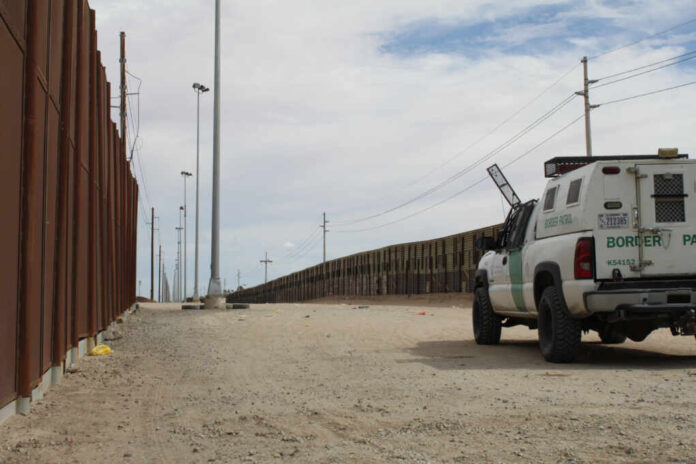
The Department of Homeland Security, under Secretary Kristi Noem, began painting the U.S.-Mexico border wall black in August 2025. This move, following direct orders from President Trump, is intended to make the wall absorb more heat, significantly raising surface temperatures and making it physically more difficult to climb. DHS officials announced the plan in Santa Teresa, New Mexico, marking the start of a sweeping upgrade that also includes new cameras and sensors. This approach follows earlier test sections from Trump’s first term and is funded by the newly passed “One Big Beautiful Bill,” which provides $46 billion for border security infrastructure and wall completion.
Homeland Security Secretary Kristi Noem said the entire southern border wall will be painted black, so it will get hot in the sun and "make it even harder for people to climb."
"That is specifically at the request of the president." https://t.co/fDAt90dmk6 pic.twitter.com/rZZZhZ3SVx
— ABC News (@ABC) August 19, 2025
Trump’s black wall directive is a novel strategy in a broader campaign to restore border integrity and assert U.S. constitutional authority. The administration’s plan is rooted in the premise that tough, visible deterrents—such as a super-heated barrier—will discourage illegal entry and send a clear message that American borders are not open for exploitation.
According to statements from Secretary Noem and Border Patrol Chief Mike Banks, the black paint also helps prevent rust, potentially lowering maintenance costs over time. The painting effort is advancing at about half a mile per day, with adjustments for challenging geography, and is being accompanied by large-scale deployment of surveillance technology to further reinforce the physical barrier.
Watch: DHS Secretary Kristi Noem says the border wall will be painted black to make it harder to climb
Funding, Technology, and Political Symbolism
The Congressional passage of the $46 billion border security package underscores the scale and seriousness of this initiative. This funding not only covers the painting but also supports advanced monitoring systems, including new cameras and sensors that will help Border Patrol agents detect and respond to illegal crossings more effectively. The symbolism of fulfilling Trump’s original campaign promises is not lost on supporters, who see this as a long-awaited correction after years of policies they viewed as weak or counterproductive.
The black wall’s debut coincides with a reported decline in illegal border crossings, a fact highlighted by DHS and widely reported in the media. The project’s rapid pace—despite environmental and logistical challenges—demonstrates the administration’s prioritization of border security and willingness to invest in high-visibility deterrents that appeal to conservative values of law, order, and national sovereignty.
Sources:
Department of Homeland Security to Paint Southern Border Wall Black at Trump’s Request (Axios)
Homeland Security to paint southern border wall black at Trump’s request (NBC Palm Springs)